
Peak District Trad Climbing Training
Where Our Journey StartedHow two complete beginners spent two days in the Peak District and fell in love with trad climbing – a complete guide to learning traditional climbing in the UK.
Trad Climbing in the Peak District – The Beginning: Why Peak District?
September 2023. We were living in London, had never placed a cam, never built an anchor, and barely knew the difference between trad and sport climbing. But we knew one thing: if we were going to learn traditional climbing properly, the Peak District was where we needed to be.
The Peak District isn’t just another climbing destination – it’s the birthplace of modern rock climbing, the spiritual home of UK trad, and arguably the best place in Europe to learn the craft. The gritstone edges, the culture, the community, the history – everything about this place screams “learn here.”
🎯 Thinking About Starting Climbing? Start Here – Peak District trad climbing training.
If you’re considering getting into climbing – whether trad, sport, or both – our biggest recommendation is this: invest in proper instruction from day one.
Don’t learn from YouTube. Don’t learn from “that guy at the crag”. Don’t try to figure it out yourself. Your life literally depends on these skills.
Take a professional course. It’s the best money you’ll ever spend on climbing. It will save you time, prevent bad habits, keep you safe, and give you confidence that no amount of self-teaching can match.
Why UK Trad Culture is Different (And Better for Learning)
Here’s what we discovered: UK trad climbing culture is obsessed with safety, proper technique, and doing things right. It’s not about ticking grades – it’s about learning the craft properly.
“In the UK, you don’t rush into leading. You learn to second, then you learn to place gear, then you learn to build anchors, then – maybe – you start leading. And that’s exactly how it should be.”
What makes UK trad training special:
- 🎯 Focus on fundamentals – Safety first, grades second
- 📚 Structured progression – You learn in the right order
- 🧗 Real rock, real situations – No indoor simulation
- 🏴 Decades of teaching experience – They’ve refined the process
- 🤝 Supportive community – Everyone helps beginners
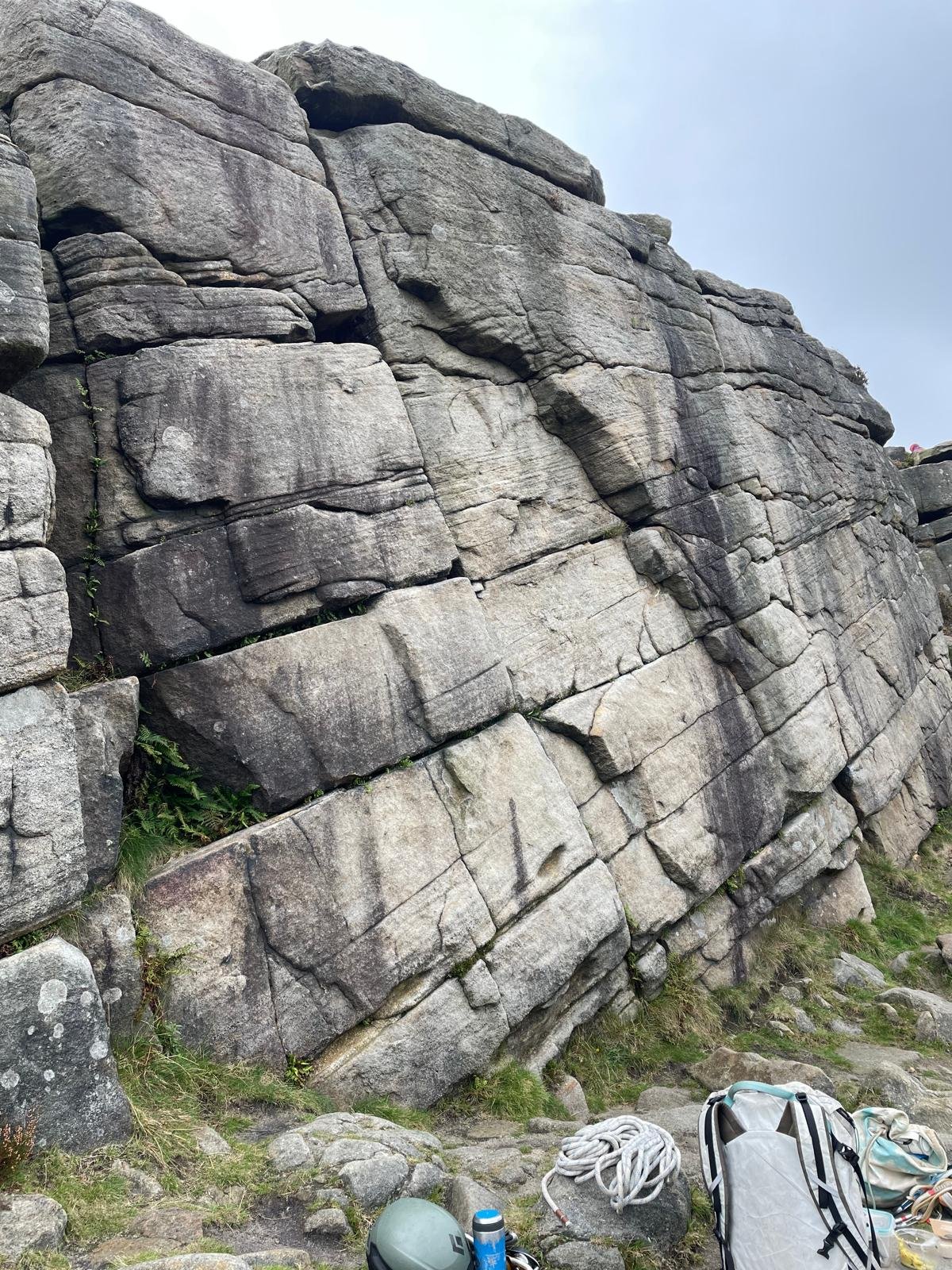
Our Training: Mountaineering Training UK
After researching every climbing school in the UK, we chose Mountaineering Training UK. Best decision we ever made.
What We Did
We didn’t book a standard course – we designed our own private two-day training programme. This is what made it brilliant: they’re incredibly flexible and adapt everything to your needs.
Our custom training covered everything from indoor basics to real outdoor rock:
| Two-Day Training Programme | |
|---|---|
| Day 1 – Foundations |
|
| Day 2 – Real Rock |
|
| Skills Covered | Everything we know today about climbing started here: trad and sport climbing, leading and cleaning, gear placement, rope management, safety systems, anchor building, communication protocols |
| Climbing Grades | Easy routes (grade 4-5 max) – the focus was on learning, safety, and fun. Not about ticking hard climbs but mastering fundamentals |
| Cost | Around £650 for two people for two days private training |
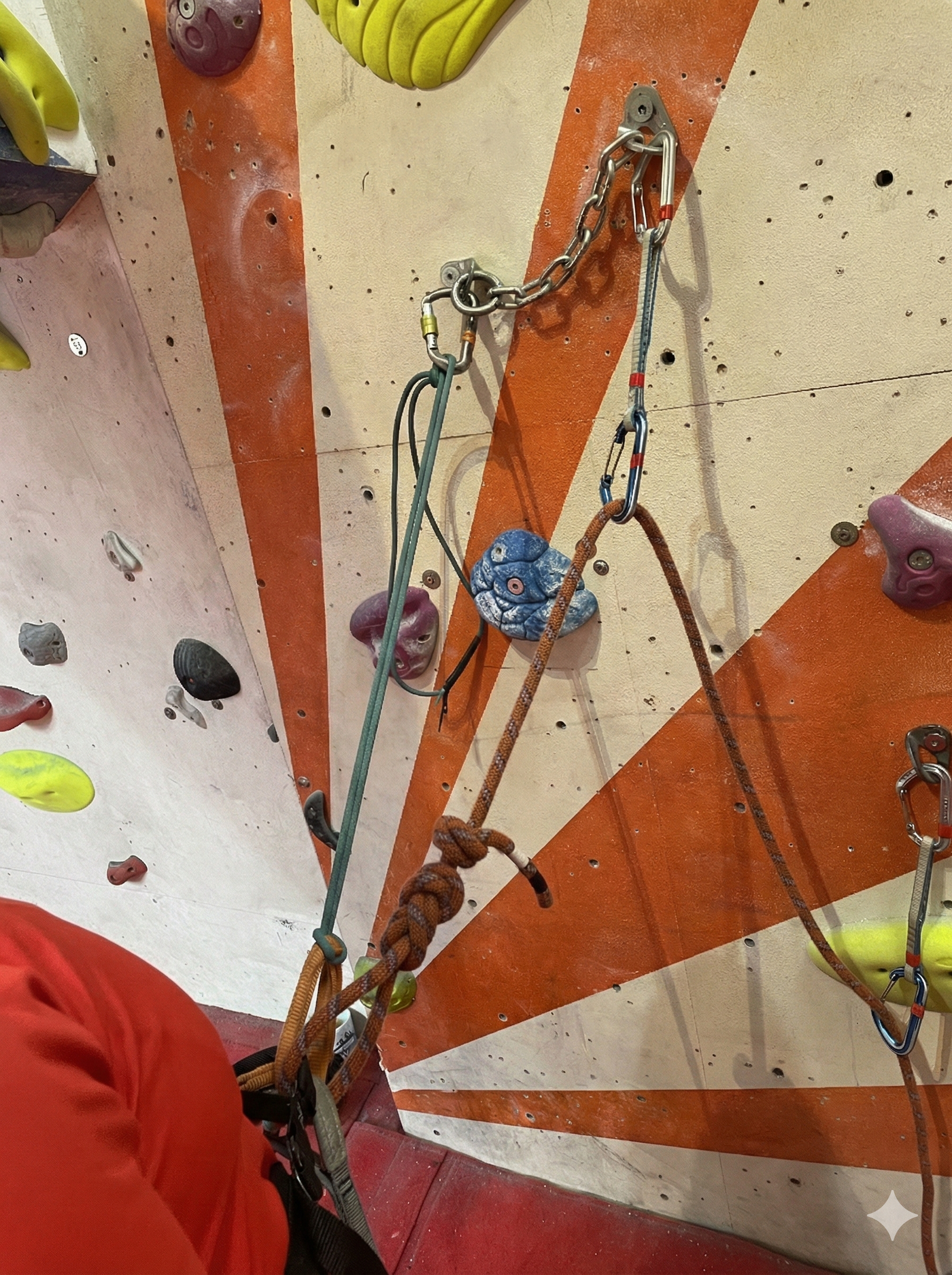
Why Private Training Was Worth It
Private training costs more (around £650 for two people for two days), but here’s what you get that you don’t get in group courses:
- ✅ Your pace – Spend more time on what you struggle with
- ✅ Your goals – Focus on exactly what you want to learn
- ✅ More practice – More time actually climbing and placing gear
- ✅ Direct feedback – Instructor watches everything you do
- ✅ Flexible schedule – Start earlier, finish later, take breaks when you need
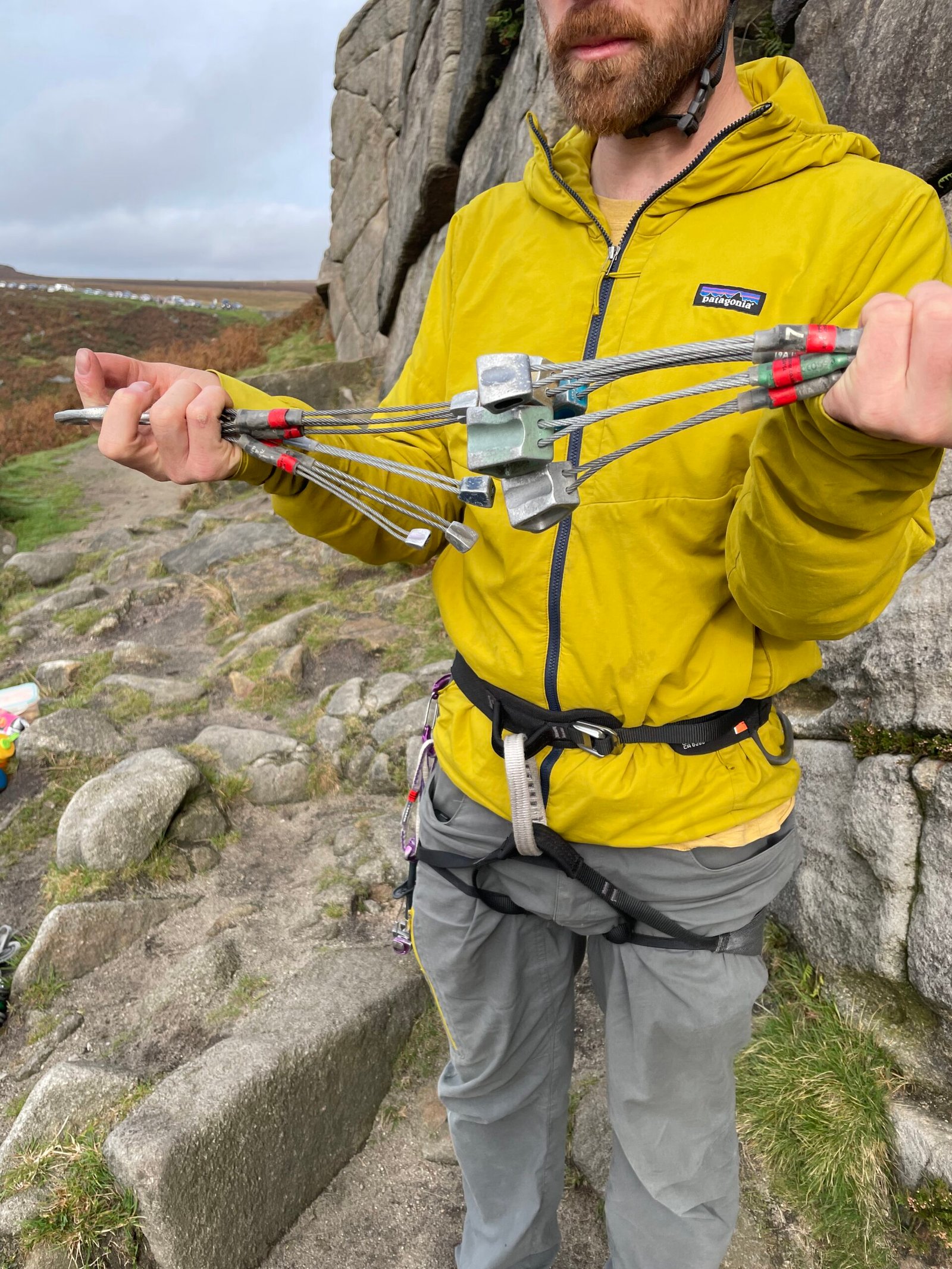
What We Actually Learned
Everything. Literally everything we know about climbing today started in those two days.
The Technical Skills
- 🎯 Gear placement – How to place cams, nuts, hexes correctly
- 🔗 Anchor building – Multiple points, equalisation, redundancy
- 🧗 Leading safely – Clipping, rope management, communication
- 🏔️ Cleaning routes – How to remove gear without dropping it
- ⚙️ Belaying variations – Sport vs trad, different devices
- 📍 Route reading – Planning protection, spotting features
The Non-Technical Stuff (Equally Important)
- 💪 Building confidence – Trusting gear you placed yourself
- 🧠 Decision making – When to push, when to bail
- 🤝 Communication – Clear, concise commands
- 📱 Logging climbs – Using UKC, Rockfax, keeping records
- 📚 Continuing education – Books, videos, practice routines
The Books That Changed Everything
Our instructor recommended two books that have become our bibles. We still reference them constantly.
Trad Climbing +: The Positive Approach to Improving Your Climbing.
by Adrian Berry, John Arran
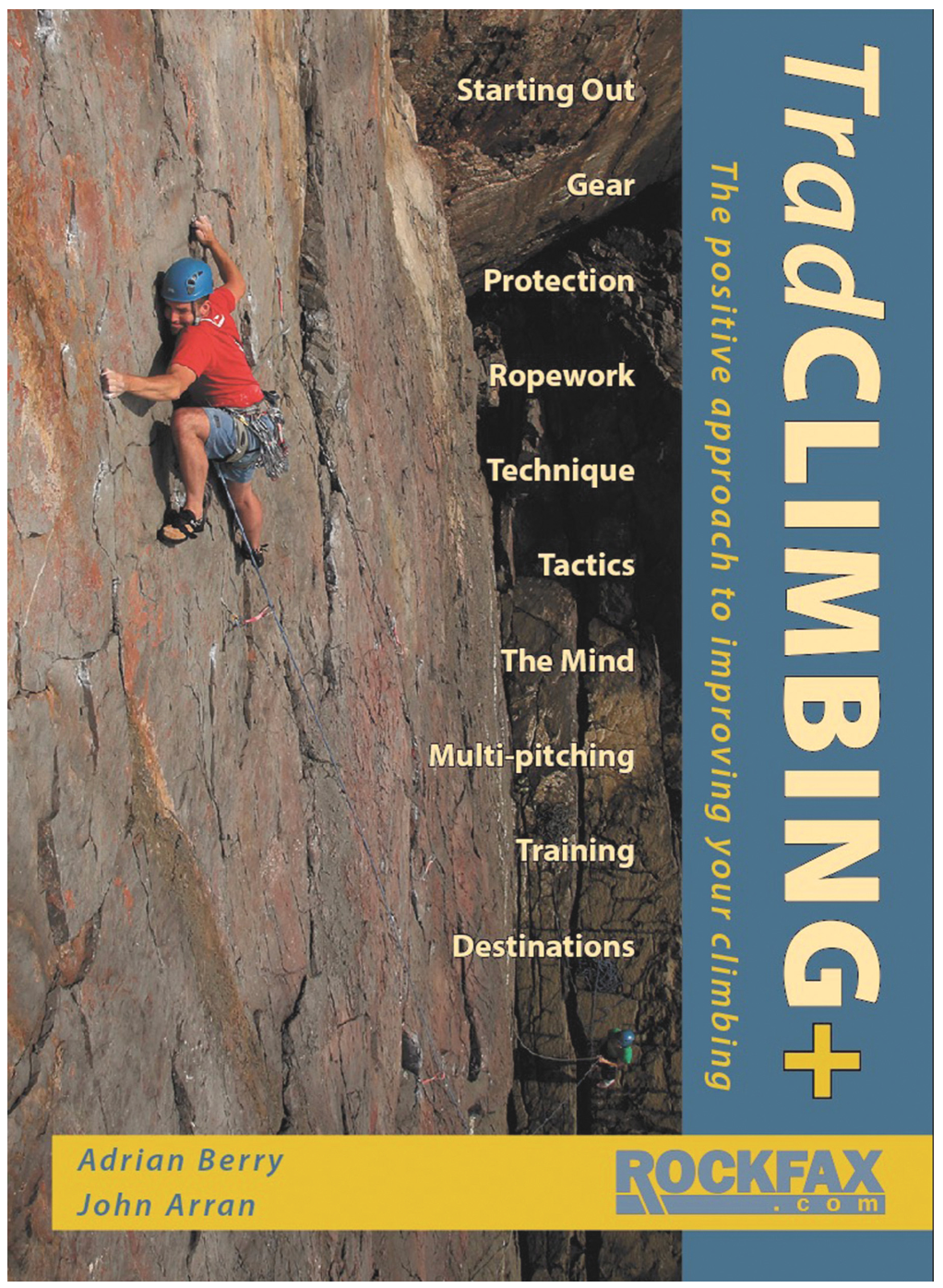
Trad Climbing+ contrasts with a number of recent publications in that it is aimed at active climbers rather than solely at professional instructors. The 280+ pages of content appeal to both complete beginners and experienced climbers wishing to make rapid progress to higher levels of difficulty.
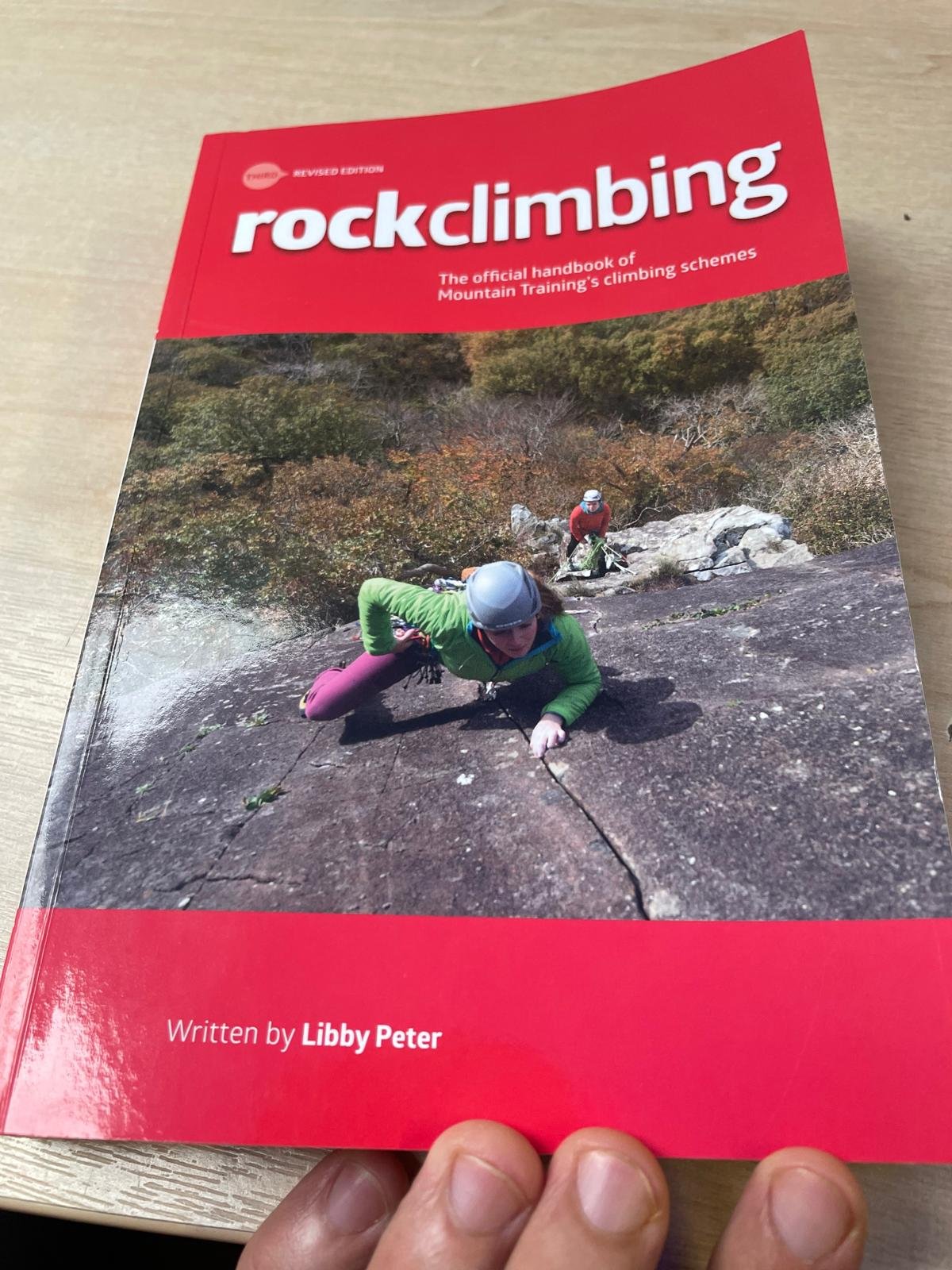
Rock Climbing: Essential Skills and Techniques
by Libby Peter Luebben
It is the official handbook for the UK and Ireland qualification system that includes all of Mountain Training’s qualifications as well as their Rock Skills courses. It is endorsed by the BMC, Mountaineering Scotland and Mountaineering Ireland.
Trad Climber’s Bible
by John Long and Peter Croft
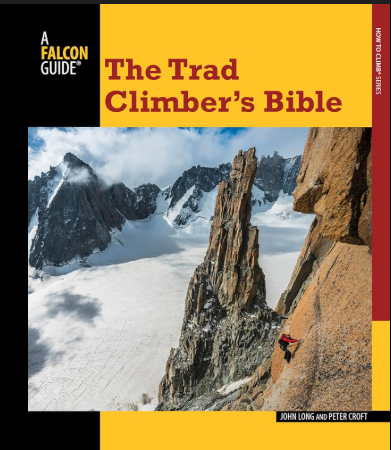
The definitive guide to traditional climbing. Gear placement, anchor building, leading strategy – everything specific to trad is in here. We keep it in the van and reference it constantly.
💡 Pro tip:
Buy physical books, not digital. You want to reference these at the crag, in bad weather, when your phone’s dead. Dog-ear pages, make notes, get them dirty.
Why Learn Trad First? (Controversial Take)
Here’s what you should know: trad climbing covers sport climbing, but sport climbing doesn’t cover trad.
If you learn trad properly, you automatically know how to:
- ✅ Sport climb (it’s just pre-placed gear)
- ✅ Build anchors anywhere
- ✅ Assess rock quality
- ✅ Make better decisions
- ✅ Be self-sufficient
But if you only learn sport climbing, you’re missing half the picture. You can clip bolts, but you can’t place your own protection. You can top rope, but you can’t build a safe anchor.
“Learning trad first made us better climbers in every discipline. It taught us to think, not just to climb.”
Practical Info: Getting There & Staying There
📍 Location where we went, there are plenty location proposed for the course, check online what is convenient for you.
Base:
How we got there: Train from London to Sheffield then another train 30mn (2.5 hours)
Where we stayed: Campsite and B&B around
Crag access: Instructor drove us (close to the area)
💰 Budget Breakdown
| Item | Cost (2 people) |
|---|---|
| Private training (2 days) | Around £650 |
| Train tickets (London → Sheffield return) | £80-120 |
| Campsite (2 nights) | £40-60 |
| Food & misc | £60-80 |
| TOTAL | £830-910 |
Was it worth it? Absolutely. This investment gave us skills we use every single day. Two years later, we’re still climbing safely because of what we learned here.
Peak District: The Crags
The Peak District has hundreds of gritstone edges within 30 minutes of Sheffield. These are legendary crags:
- 🏔️ Stanage Edge – 5km of perfect gritstone, the most famous crag in the UK
- 🏔️ Burbage Rocks – Classic routes at all grades
- 🏔️ Froggatt Edge – Stunning views, fantastic climbing
- 🏔️ Curbar Edge – Technical face climbing
- 🏔️ Millstone Edge – Historic routes, amazing rock
Why gritstone is perfect for learning:
- ✅ Bomber gear placements (when you get them right)
- ✅ Clear feedback (bad gear pops out immediately)
- ✅ Short routes (perfect for practice)
- ✅ All grades available
- ✅ Quick access from parking
Frequently Asked Questions
How long does it take to learn trad climbing?
You can learn the mechanical basics—placing nuts, cams, and building three-point anchors—in two intensive days with a pro. However, becoming a confident, independent leader usually takes 6–12 months of regular practice. We’re two years in and still learning every day!
Can complete beginners learn trad climbing?
Yes! Many people start their climbing journey on trad. In fact, learning the safety systems from day one often makes you a more technically sound climber than someone who has only spent years pulling on plastic in a gym.
Is trad climbing dangerous?
The risks are higher than sport climbing because you are responsible for the protection. However, with professional instruction, you learn how to mitigate those risks through redundant systems and “bomber” gear placements. Danger comes from ego and lack of training, not the rock itself.
Can I learn this from books and YouTube?
Absolutely not. Books are great for memory refreshes, but they can’t tell you if a cam is “walking” or if your nut placement is actually secure. Your life depends on these skills—get a qualified MCI (Mountaineering and Climbing Instructor) to check your work in person.
Is private training worth the extra cost?
For us, 100% yes. A 1:2 ratio (one instructor for two people) means you get constant feedback. You spend zero time waiting for others to climb, and the instructor can tailor the routes specifically to your fear levels and goals.
Essential UK Climbing Resources
The UK has the best climbing resources in Europe. Here’s what you need:
📱 UKClimbing (UKC)
The definitive UK climbing database. Every route, every crag, reviews, photos, forums. Create a free account and log every climb. This is your climbing diary.
📚 Rockfax
Digital guidebooks for every crag in the UK. The app is brilliant – download areas for offline use, GPS approach, detailed topos. Worth every penny.
🎯 Our system:
1. Research crag on Rockfax
2. Find specific routes on UKC
3. Check recent conditions (UKC forum)
4. Log climbs on UKC after
5. Reference books for technique
📖 BMC (British Mountaineering Council)
Access information, ethics, conservation. If you’re climbing in the UK regularly, join the BMC. They maintain access, fight for climbers’ rights, provide insurance.
After the Training: What We Got
Mountaineering Training UK didn’t just teach us and send us home. We got:
- ✅ Login portal – Access to training materials, videos, notes
- ✅ Follow-up support – Email questions anytime
- ✅ Resource recommendations – Books, websites, practice routines
- ✅ Progression plan – What to practice, how to improve
- ✅ Equipment advice – What to buy, what to skip, where to buy it
Equipment was one of the things we got most out of that week. If you’re at the same stage, we’ve written up the climbing harness we settled on for trad — along with the five others we compared it against, and which ones we actually own.
Three Key Lessons That Changed How We Climb
1. Safety is Fun
When you know you’re safe, climbing becomes pure joy. Good gear placement, solid anchors, proper communication – this isn’t boring safety stuff, it’s what lets you push yourself without fear.
2. Grades Don’t Matter (At First)
We climbed mostly grade 4 and 5 routes during training. Easy? Yes. But we learned more about technique, placement, and safety on those easy routes than we would have learned throwing ourselves at hard climbs.
3. Trad Teaches You to Think
Sport climbing is physical. Trad climbing is mental. Every placement is a decision. Every move is risk assessment. This makes you a smarter climber in every discipline.
Would We Recommend This to Other Vanlifers?
Absolutely.
If you’re living in a van and want to climb properly, invest in proper training. Don’t learn from YouTube. Don’t learn from that guy at the crag who “knows what he’s doing”. Get professional instruction.
Ready to Learn Trad Climbing?
Contact Mountaineering Training UK and design your own course. Tell them what you want to learn, they’ll make it happen.
Visit Mountaineering Training UK →Final Thoughts: This is Where It All Started
Two years later, we’re climbing trad routes across Europe. We’re building anchors on remote crags. We’re teaching friends the basics. We’re confident, safe, and having the time of our lives.
And it all started with two days in the Peak District, one brilliant instructors, and a willingness to learn properly from the beginning.
The Peak District gave us more than climbing skills – it gave us confidence, knowledge, and a deep respect for the craft. It showed us that trad climbing isn’t about conquering mountains, it’s about understanding them.
“If you’re going to learn trad climbing in Europe, start where it all began – the Peak District, UK. You won’t regret it.”
Quick Reference
📍 Training Provider: Mountaineering Training UK
💰 Cost: ~£650 for 2 people, 2 days (private training)
📍 Location: Peak District, based from Sheffield
🎯 Skills Learned: Everything – trad & sport, leading & cleaning, gear & anchors
📚 Essential Books:
- Trad Climbing +: The Positive Approach to Improving Your Climbing.
- Rock Climbing: Essential Skills and Techniques
- Trad Climber’s Bible
📱 Essential Resources:
- UKClimbing.com – Route database & logging
- Rockfax – Digital guidebooks
- BMC – Access & ethics
📚 Helpful Climbing Resources
Essential guides, tips, and advice for your climbing adventures
🔧 Gear Lab
View all →
DMM Renegade Review: Four Years on My Trad Harness
Read more →
Black Diamond Solution Review — The All-Rounder, Updated for 2026
Read more →🚐 Road Trip Essentials
View all →
10 Underrated European Sport Climbing Destinations (That We Actually Drove To)
Read more →
Van Life Electrical Setup 2026 — Our Exact Power System
Read more →📖 Climber's Handbook
View all →
Beginner Climbing Gear List 2026 – Everything You Need to Start Climbing Outdoors
Read more →
Best Outdoor Climbing Courses in Europe 2026 – For Beginners & First-Time Climbers
Read more →Peak District Training & Technique Beta
Keywords: Gritstone Friction Drills • Peak District Bouldering • Stanage Edge Trad Training • Smearing Technique • Finger Strength on Grit • Technical Footwork Drills • UK Outdoor Training • Climbing Conditioning • Gritstone Sloper Beta • Peak District Access