Climbing Accessories 2026: The Practical Extras That Actually Make a Difference
Not the big gear — the small stuff. The things that make every session easier, more comfortable, and better organised.
Every climber has a short list of small accessories they would never leave without — the things that cost almost nothing, take up almost no space, and make a disproportionate difference to a day at the crag. These are not the headline gear pieces. They are the brush you grab at the last second, the glasses that save your neck on a long belay, the tiny carabiner clipped to your bag strap that has been there so long you have forgotten to think of it as something you chose.
This guide covers 5 of those things — the accessories that experienced climbers quietly carry and rarely talk about, but absolutely always have.
Most of these items are available from your local climbing shop. For the eco-friendly skin care products in particular, smaller brands deserve direct support. These retailer links are for reference — always try your local specialist first.
1. Climbing Brushes
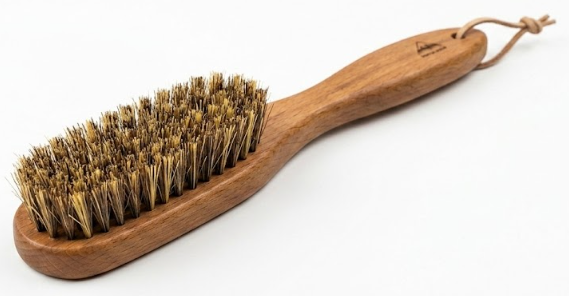
We got my first brush at a gym — everyone noticed how holds clogged with old chalk get weirdly slick, and a quick brush actually brings the texture back. Seemed like a minor detail at the time. Then I started climbing outdoors more and realised it matters out there too.
On busy sport crags, if a hold accumulates layers of chalk residue, that genuinely kills friction. And in some areas the culture around it is serious: in the Harz in Germany, chalk is technically allowed on the granite but the expectation is that you brush your marks off when you’re done — the dark rock makes white chalk very visible, and the local ethic is clear about it. At the sandstone sectors within the area, chalk isn’t permitted at all.
🐗 Boar Bristle Brush — For Outdoor Rock
The standard outdoor brush. Natural boar bristles are firm enough to dislodge chalk without scratching or polishing the rock surface — critical on soft sandstone where wire or nylon bristles would cause permanent damage. Sublime Climbing and Black Diamond both make excellent versions with comfortable hardwood handles.
2. Belay Glasses
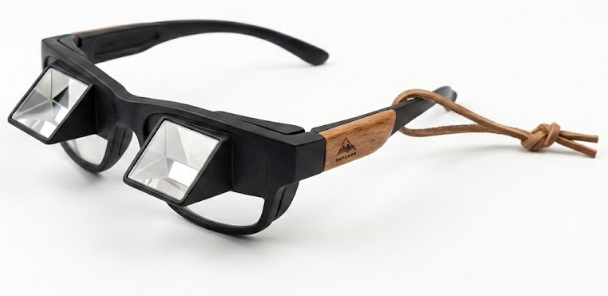
Belay glasses are the accessory that people feel they don’t need until they try a pair, and then immediately order their own. The principle is straightforward: prismatic lenses bend light so that you can look straight ahead and see what is happening directly above you. Instead of craning your neck back at an uncomfortable angle for the duration of a pitch, you stand in a natural, relaxed position and watch your climber comfortably. The difference on a long belay or a hard projecting day is significant — both for your neck and for your quality of attention.
We picked up a cheap pair from Decathlon and it genuinely works. The optics are basic but functional, and for a first pair, it is a perfectly reasonable starting point. That said, there is a real difference in comfort and optical quality between a budget pair and a good one — particularly in peripheral vision and how well they stay on your face during movement.
The leading European brand is Y&Y Vertical (French), whose Plasfun and Classic ranges are the benchmark for climbing-specific design. Their glasses are available in multiple versions including clip-on models for prescription glasses wearers, and they are made with comfort for extended wear specifically in mind. Power’n’Play (German) also make excellent glasses — the brand behind many of the CU-branded glasses sold through European retailers, with particularly good customer service for spare parts and adjustments.
3. Non-Locking Keychain Carabiners
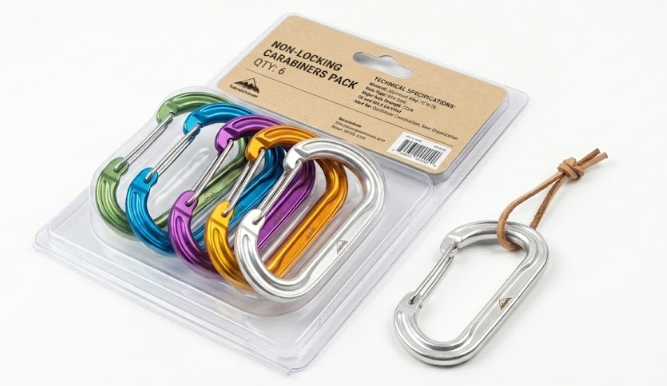
The humble non-locking keychain carabiner is one of the most overlooked utility items in climbing. It doesn’t cost much — and once you start using them you wonder how you managed without. The uses multiply the longer you think about it: clip your climbing shoes to the outside of your pack so they air out on the walk to the crag; attach a water bottle to your harness or your bag; hang a hat from a loop; organise your keys and so on.
Do not spend real money on these. The cheap, cheerful, colourful ones are perfectly adequate for non-safety-critical uses — you are not clipping your rope into these, you are clipping your flip flops. Buy a small bundle in different colours and distribute them liberally across your bags, your van, and your kit.
4. Rope Tarp
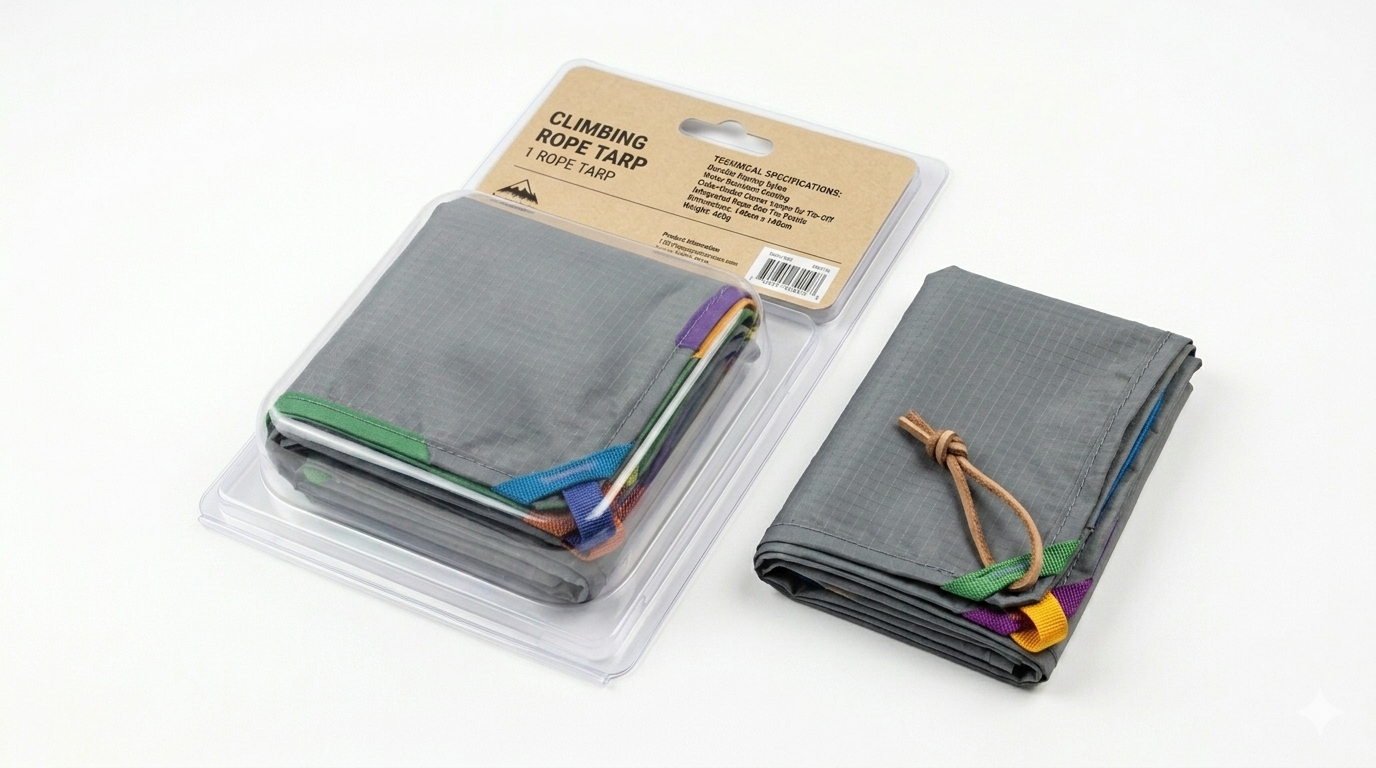
A rope tarp is exactly what it sounds like: a lightweight sheet of fabric, usually nylon or ripstop polyester with reinforced corner loops and a central clip point, that sits between your rope and the ground. The purpose is simple — to keep the rope off dirt, grit, and moisture that slowly infiltrates the fibres and ages the rope from the inside out. A clean rope runs more smoothly through a belay device, wears less quickly, and is easier to inspect for damage.
Some rope bags already include a built-in tarp — check our Best Climbing Backpacks guide for rope bags that double as tarps. If your bag does not include one, a standalone tarp is a cheap and worthwhile addition. On top of rope protection, a clean tarp doubles as a mat to sit on at the base of a crag or a surface to sort and rack gear.
5. 🖐️ Skin & Recovery
Chalk absorbs moisture and strips natural oils from the skin over time; rough edges on finger skin catch on holds and tear; dry, cracked tips hurt and reduce friction. Looking after your skin between sessions has been a constant need for us.
The right product depends entirely on your skin type. Some climbers have naturally dry skin and need a richer balm to rebuild between sessions. Others have skin that becomes slick too easily and benefit from drying agents like Antihydral in humid conditions. The only way to find out what works for you is to try different things. What follows are two brands with strong eco credentials and real climbing communities behind them.
Mantle ClimBar
A German-made solid hand cream specifically designed for climbers — the ClimBar formula uses olive oil and shea butter from controlled organic cultivation, beeswax, sunflower oil, and vitamin E, with a natural green tea wax scent. No synthetic additives, no plastic packaging — it comes in a refillable metal tin that you can top up rather than throw away. Solid format means zero spills in your van or pack, and it travels without any liquid restrictions. Made in Germany.
Alpinetrek UK — In discount for £8.47 → Bergfreunde — €9.86 (10% off) →KletterRetter Bee-Disc & Skin-Disc
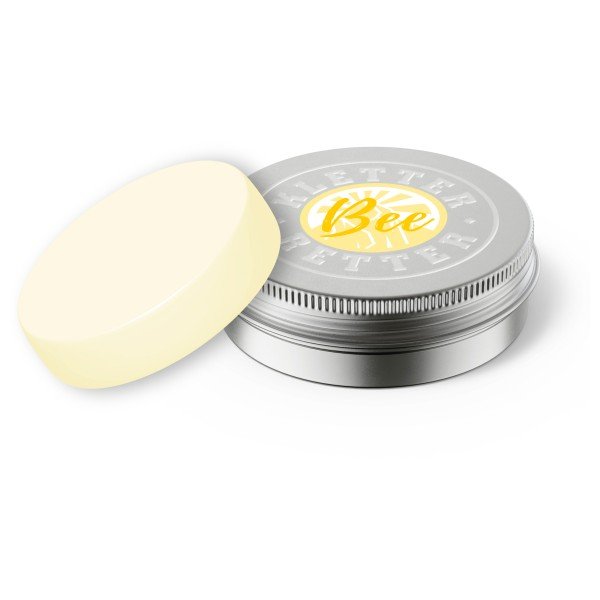
A German climbing skin care brand built specifically for climbers — KletterRetter (literally “climbing rescuer”) makes two versions of their solid disc balm in a reusable aluminium tin. The Bee-Disc uses 100% natural ingredients — beeswax, mango butter, calendula and sunflower oil — forming a protective layer over cracked fingertips that slows moisture loss and accelerates healing overnight. The Skin-Disc is the fully vegan alternative, same tin format and same purpose, but with a plant-based formula only. Zero plastic, no spills, travels without any liquid restrictions. Each less than 10€.
Bee-Disc — Alpinetrek UK → Bee-Disc — Bergfreunde → Skin-Disc (Vegan) — Alpinetrek UK → Skin-Disc (Vegan) — Bergfreunde →The Short Version
A boar bristle brush, a pair of belay glasses, a handful of keychain carabiners, and a good skin salve will improve almost every climbing day you have. All of them get used.
Frequently Asked Questions
Are belay glasses safe to use?
Yes — belay glasses do not interfere with your ability to manage the rope or respond to a fall. The prisms redirect your view upward whilst your peripheral vision continues to function normally around the sides of the lenses, which means you can still see your belay device, the rope, and your surroundings. The main adaptation required is learning to look through the prisms at the right angle — which takes most people about five minutes to become comfortable with.
Why are brushes mandatory at some crags?
In some areas, chalk use is either banned or strictly discouraged because the chalk residue permanently alters the surface texture of soft sandstone. In these areas, climbing ethics require brushing holds after use to remove any chalk marks. Beyond these specific areas, brushing holds after a session is considered good crag etiquette universally — it maintains hold quality for other climbers and removes excess chalk that can actually reduce friction when it builds up too thickly.
What is the best skin care routine for climbers?
The most effective routine is simple. After every climbing session: wash your hands thoroughly to remove chalk residue — chalk left on the skin overnight continues to dry it out. File down any rough edges or raised skin using a nail file or pumice stone before they develop into flappers. If you have had a hard session, apply a skin balm to your fingertips before sleeping and let it work overnight. If you have a flapper, clean it immediately, trim any loose skin, and apply a balm to the exposed skin to help it rebuild.
Can non-locking carabiners be used for safety-critical applications?
No. Non-locking carabiners should never be used as a single connection point in a safety-critical application — the gate can open unexpectedly under certain load orientations and the carabiner can release. For keychain and utility use — clipping shoes to a bag, attaching a water bottle, organising gear — non-locking carabiners are perfectly appropriate. For anything where a human life depends on the connection holding, always use a locking carabiner, and always lock it.
🔍 Semantic & Keyword Index
Primary: climbing accessories 2026 · essential climbing accessories · small climbing gear essentials · climbing extras for van life · Secondary: belay glasses review · Y&Y Vertical Plasfun · climbing brush boar bristle · rope tarp climbing · keychain carabiner climbing · eco-friendly climbing skin care · KletterRetter climbing · Mantle ClimBar climbing · non-locking carabiner uses climbing · Petzl rope tarp · Long-tail: best belay glasses for climbing 2026 · why use a rope tarp for climbing · mandatory brush crags Harz Germany · eco-friendly climbing skin care Europe · belay glasses Y&Y vs cheap · what accessories do I need for climbing · best skin care for climbers 2026 · CAMP Rocky Carpet rope tarp · KletterRetter Bee-Disc review · climbing accessories for van life Europe · boar bristle brush climbing outdoor rock · non-locking carabiner climbing utility uses
📚 Helpful Climbing Resources
Essential guides, tips, and advice for your climbing adventures
🔧 Gear Lab
View all →
Black Diamond RockLock Review — Our Biggest, Toughest Locker
Read more →
Petzl Attache Review — The Most Versatile First Locker
Read more →🚐 Road Trip Essentials
View all →
10 Underrated European Sport Climbing Destinations (That We Actually Drove To)
Read more →
Van Life Electrical Setup 2026 — Our Exact Power System
Read more →📖 Climber's Handbook
View all →
Beginner Climbing Gear List 2026 – Everything You Need to Start Climbing Outdoors
Read more →