Best Climbing Backpacks 2026 – Crag Packs, Multi-Pitch & Approach
In-depth reviews, scoring, and comparison of the top 5 climbing backpacks for travelling climbers and vanlifers.
A climbing backpack that lives in a van gets used differently to one that comes out on weekends. It’s in and out of the van daily, shoved next to a rope sack on wet rock, and needs to handle everything from a 20-minute walk-in at a limestone sport crag to a full trad rack on a multi-pitch approach. We tested five packs across Europe — from limestone crags in Spain to trad routes in Wales — evaluating comfort, climbing utility, durability, and how well each one actually fits a life spent at the crag. Here’s what held up.
View the 2026 Starter Pack →
📊 Quick Comparison Table Best climbing backpacks
Here’s a quick overview of how our five contenders stack up against each other. Scroll down for detailed reviews of each pack.
| Backpack | Price | Capacity | Weight | Best For | Overall Score |
|---|---|---|---|---|---|
| Black Diamond Blitz 28 | £104.95 | 28L | 444g | Fast & light alpine Lightest | 7.3/10 |
| Patagonia Ascensionist 35 | £199.95 | 35L | 0.771 kg | Alpine climbing Fair Trade | 8.5/10 |
| Petzl Bug | £76.95 | 18L | 0.5 kg | Sport climbing Best Value | 6.9/10 |
| Blue Ice Warthog 30 | £96.71 −25% | 30L | 630g | Winter & ice climbing Top Score | 9.1/10 |
| Black Diamond Creek 35 | £143.96 −10% | 35L | 1.1 kg | Crag hauling & gear transport Most Durable | 6.3/10 |


1. Black Diamond Blitz 28
🪶 Lightest in Test • Fast-and-Light Alpine & Multi-Pitch
Available at Alpinetrek UK (£104.95) and Bergfreunde DE (€109.95)
Score Breakdown
Detailed Review
The Black Diamond Blitz 28 is the lightest pack in this comparison by a distance — 444g for a genuine 28 litres — and it gets there with one very deliberate trade that defines who it’s for.
The body is Black Diamond’s UHMWPE “Mini Rip” 100D fabric, the same ultra-strong polyethylene fibre family as Dynex/Dyneema. That gives exceptional strength for the weight, but 100D is still a thin cloth: it resists tearing well yet abrades faster than the 200–400D fabrics on burlier packs. OutdoorGearLab’s verdict captures it — an excellent pack for in-a-day, fast-and-light alpine rock and ice, but one that prioritises on-route performance over durability.
The alpine toolkit is all here despite the weight: a lid with its own pocket over a drawcord main compartment, dual ice axe holders, a rope holder, hydration compatibility, and a height-adjustable chest strap. The hip belt detaches and the back plate and pad are removable — the pad doubles as an emergency bivy seat — stripping the pack well below 400g for summit pushes. On route it sits close, doesn’t lift over a helmet, and climbs like a far smaller bag.
For van lifers, the Blitz makes most sense as the light half of a two-pack system: a burly hauler like the Creek 35 carries the mess to the crag, and the Blitz comes out for routes that matter. Stripped flat it stores beautifully in a van cupboard — just keep the thin fabric away from loose crampons and ice screws.
Best for: Fast-and-light alpine rock, ice and long multi-pitch days where the pack goes up the route with you. A superb specialist second pack rather than a do-everything crag bag.
Pros
- 444g for a genuine 28L — exceptional weight-to-volume
- UHMWPE Mini Rip fabric — very strong for its weight
- Fully strippable: hip belt, back plate and pad removable
- Dual axe holders, rope holder and lid as standard
- Hydration compatible
- Climbs superbly — close, low-profile, snag-free
Cons
- 100D fabric abrades faster than heavier crag packs
- Minimal padding — approach comfort suffers with heavy loads
- Drawcord-and-lid access is slow for crag-day use
- A specialist second pack, not a quiver-of-one
- No rain cover — water-repellent only
2. Patagonia Ascensionist 35
⛰️ Best for Alpine Climbing — 771g at 35L capacity
Available at Alpinetrek UK (£199.95, free UK shipping) and Bergfreunde DE (€229.95, free DE shipping)
Score Breakdown
Detailed Review
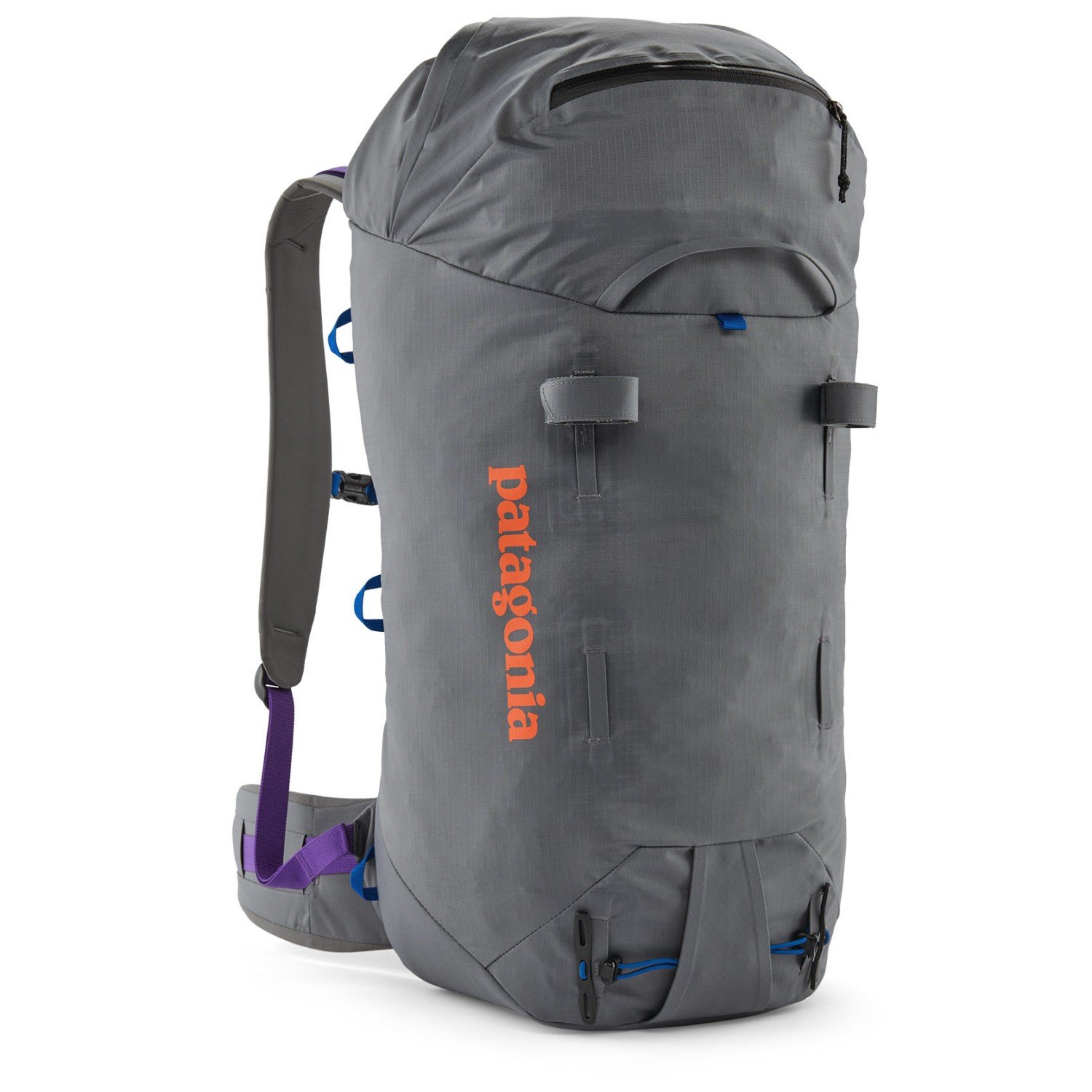
The Patagonia Ascensionist 35 is the pack for climbers who want serious alpine capacity without lugging around unnecessary weight. At 771g for a genuine 35L volume, it hits a rare balance — enough capacity for full alpine days with rope, rack, layers and food, but light enough that you’re not cursing it on the approach. Patagonia have refined this line over multiple generations, and the current version is arguably the best-executed alpine climbing pack in this price range.
The construction uses a DWR-treated, TPU-coated synthetic fabric — importantly, PFC- and PFAS-free, which puts it ahead of most alpine packs on environmental credentials. It’s also Fair Trade Certified sewn, meaning the workers who assembled it received additional premium payments. This is not just a climbing pack; it’s a climbing pack you can buy without checking the ethics footnotes first.
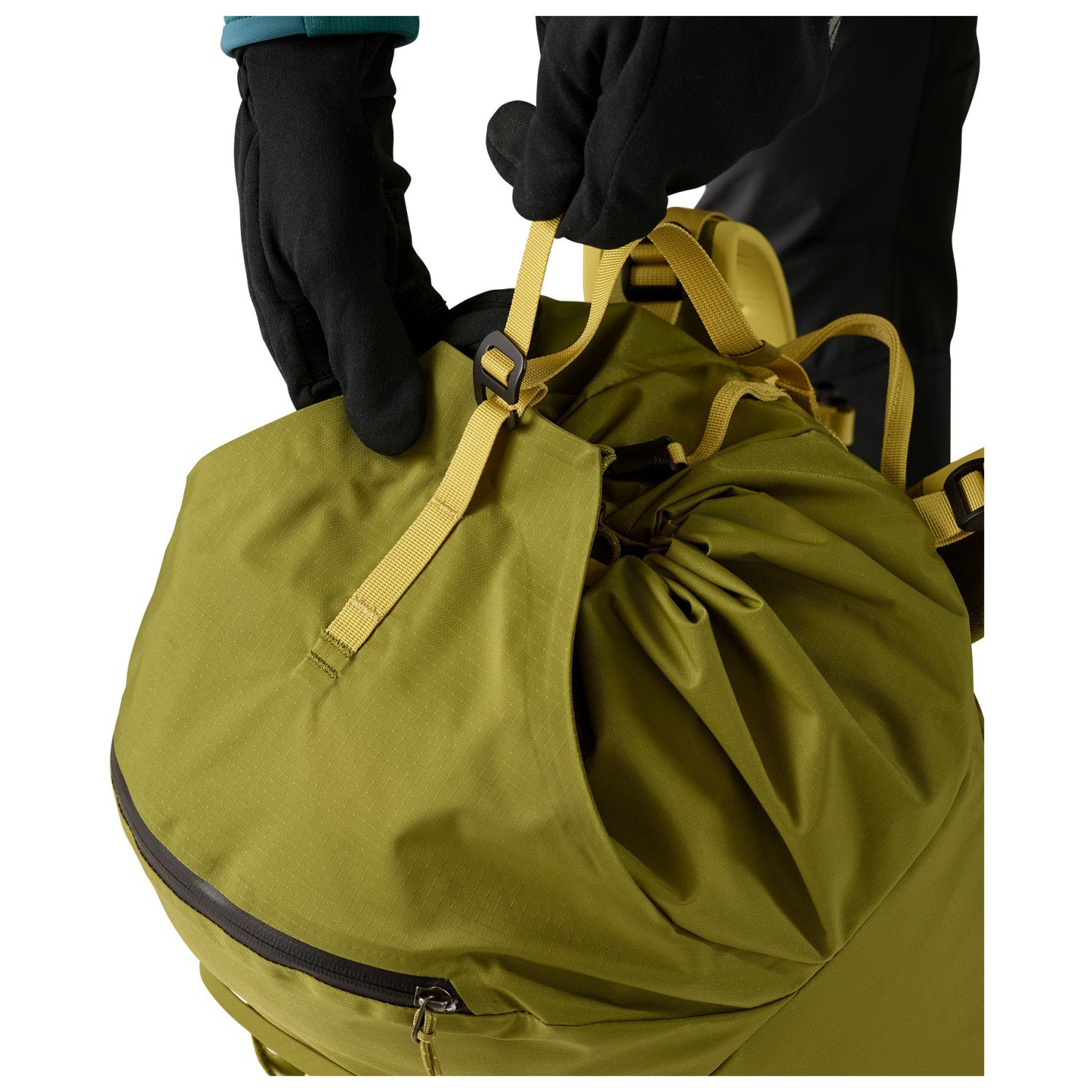
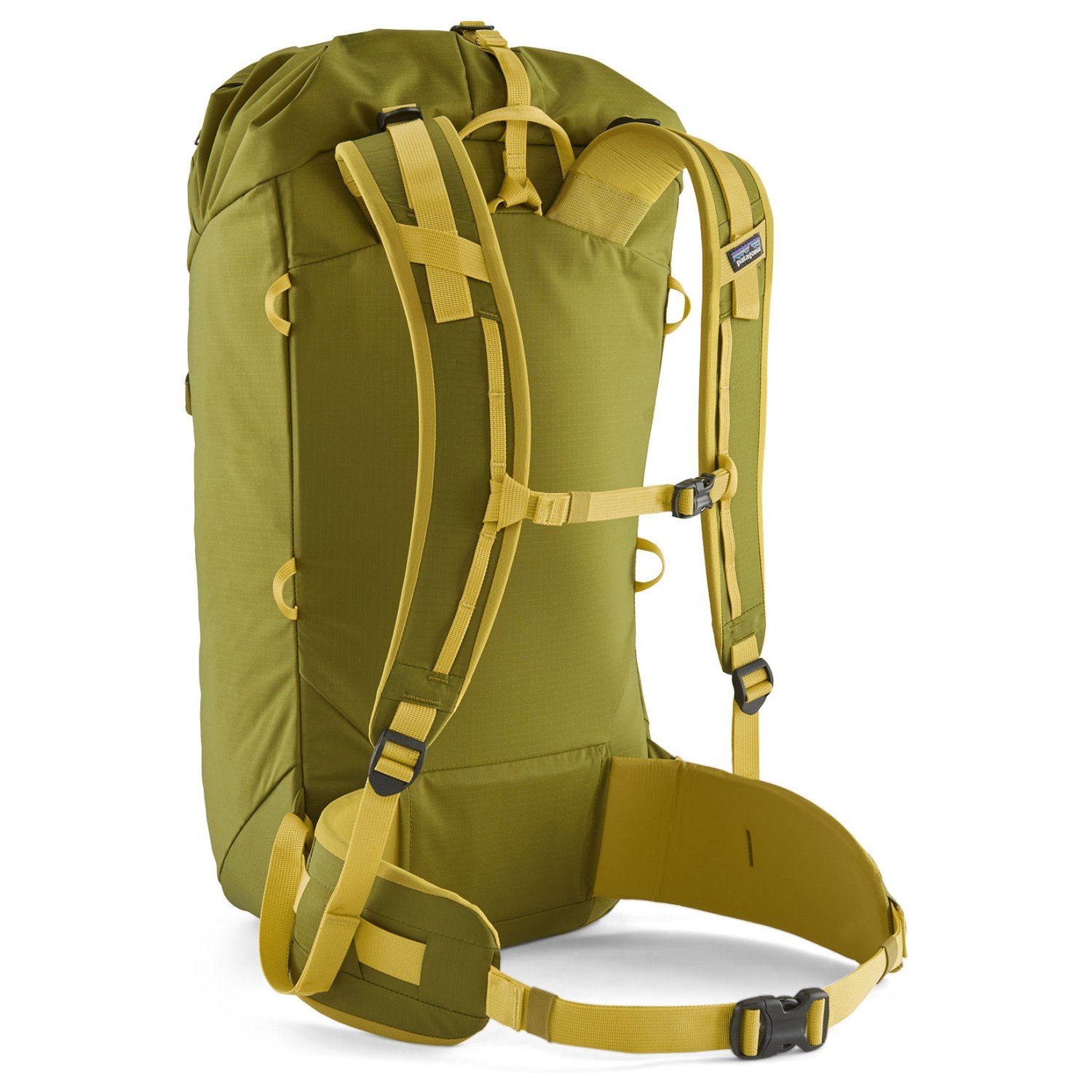
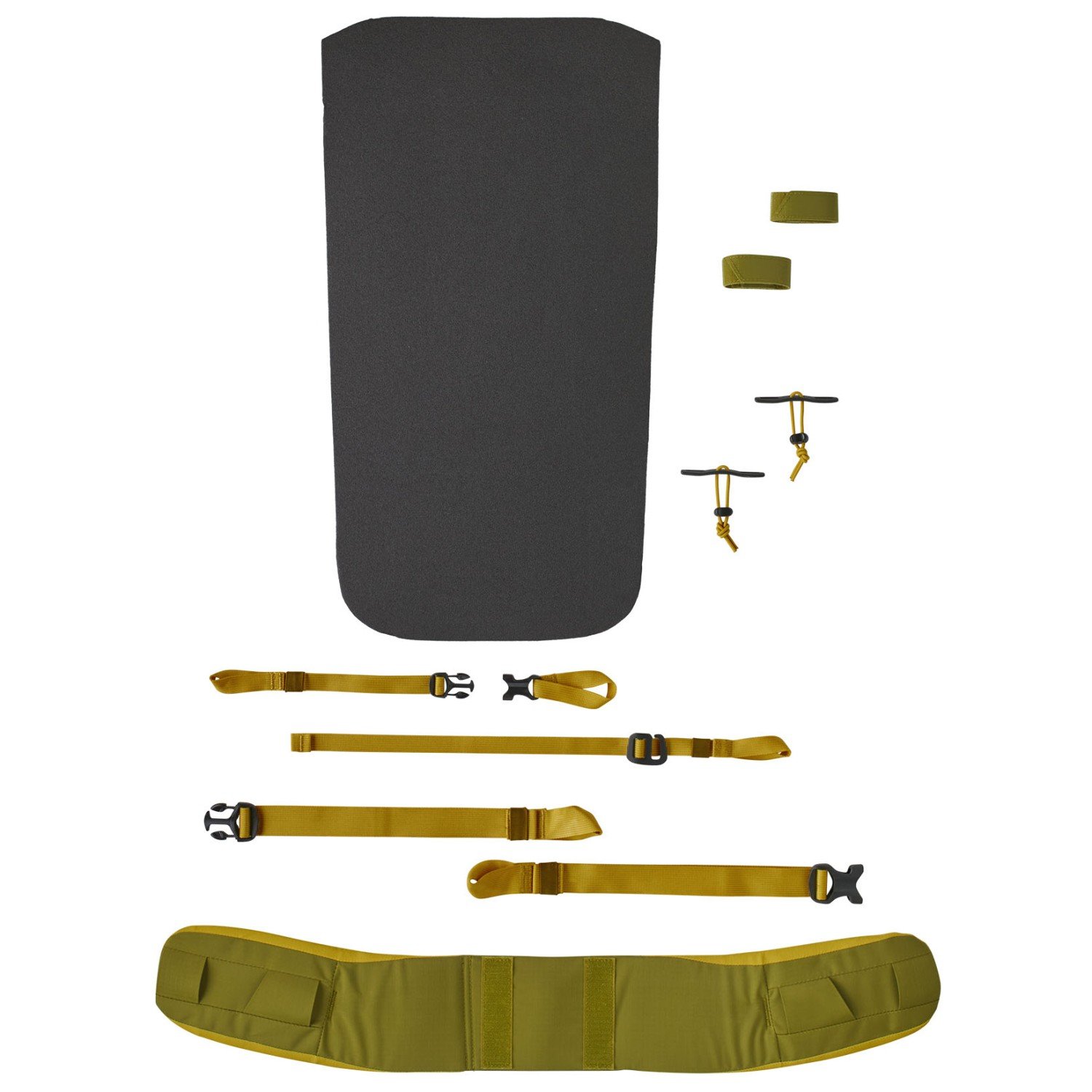
The design is properly climbing-focused. A detachable padded hip belt lets you strip weight down for the pitch itself — clip it off, stow it, and the pack becomes a stripped-down summit bag. The lid compartment gives you fast access to essentials like a headlamp, sunglasses, or gloves without opening the main body. Ice axe holders, gear loops, and pole attachments cover the winter and mixed-climbing use cases without adding clutter for pure summer alpine.
The one honest caveat is the price. At £199.95 / €229.95 this is a serious investment compared to lighter budget-end packs like the Petzl Bug. But you get a pack designed for genuine alpine use, made ethically, that will comfortably last 8–10 years of hard use. If you’re going alpine regularly, the cost-per-use maths works out fast.
Best for: Alpine climbers who want the right balance of capacity, weight and ethics. Perfect for full alpine days, multi-pitch trad in the mountains, winter routes, and any objective where you need to carry a genuine load without the pack itself becoming a burden.
Pros
- Genuine 35L capacity at 771g
- Fair Trade Certified sewn
- PFC-/PFAS-free DWR + TPU construction
- Detachable padded hip belt — strips down for the route
- Lid compartment for fast-access essentials
- Ice axe / pole attachments included
- Available in S, M and L
Cons
- Premium price
- Overkill for single-pitch sport cragging
- Toploader-only main compartment access
- Larger footprint — needs proper storage in the van
3. Petzl Bug
💰 Best Value • Perfect for Sport Climbing
Available at Alpinetrek UK (£76.95, free UK shipping) and Bergfreunde DE (€89.95, free DE shipping)
Score Breakdown
Detailed Review
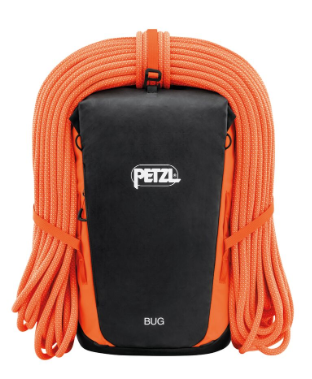
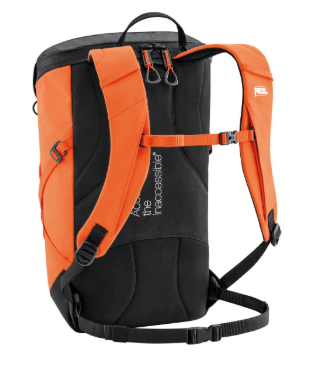
The Petzl Bug is a sport climber’s dream: lightweight, easy to pack, and incredibly comfortable. At just 0.5kg, it’s the lightest pack in our comparison, making it perfect for long approaches to single-pitch crags or quick multi-pitch objectives where every gram counts.
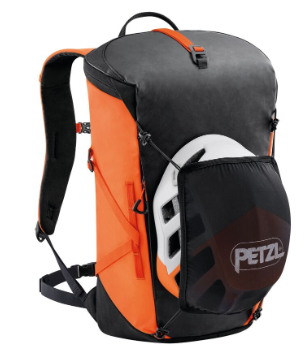
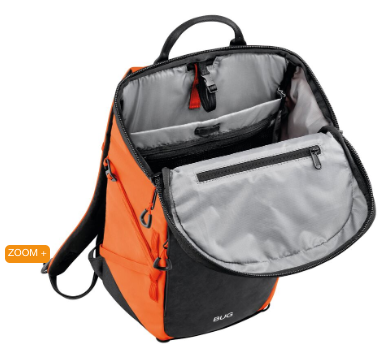
This pack is great to climb with and surprisingly easy to load despite its simple top-loading design. The main compartment is spacious enough for a 70m rope, 15 quickdraws, shoes, and lunch, whilst the external gear loops are perfectly positioned for racking additional gear. The shoulder straps are well-padded and comfortable, even when the pack is fully loaded.
However, the Bug’s lightweight construction comes with a trade-off: durability. The thin fabric shows wear quickly, particularly on the bottom panel where it contacts rock. Users mention noticing significant scuffing and a small tear developing near the base. It’s not particularly light for its minimalist design either—some competitors offer similar weight with more robust materials.
The pack lacks an emergency whistle, which is a surprising omission from a safety-focused brand like Petzl. That said, for pure sport climbing where you’re not venturing into remote terrain, this isn’t a dealbreaker.
Best for: Sport climbers who prioritise weight savings and don’t need bombproof durability. Excellent for European sport climbing destinations like Kalymnos, Leonidio, or the Costa Blanca where you’re never far from civilisation.
Pros
- Comfortable, easy to pack
- Great packing volume (18L)
- Lightweight at just 0.5kg
- Well-positioned gear loops
- Excellent value for money
Cons
- Heavy for its minimalist design
- Average durability
- No emergency whistle
- Thin fabric shows wear quickly
- Limited weather protection
4. Blue Ice Warthog 30
🏔️ Best for Winter & Ice Climbing — Chamonix-designed, 630g stripped to 530g 🔥 25% Off
⚡ On sale now: Alpinetrek UK £96.71 (was £128.95) or Bergfreunde DE €112.46 (was €149.95)
Score Breakdown
Detailed Review
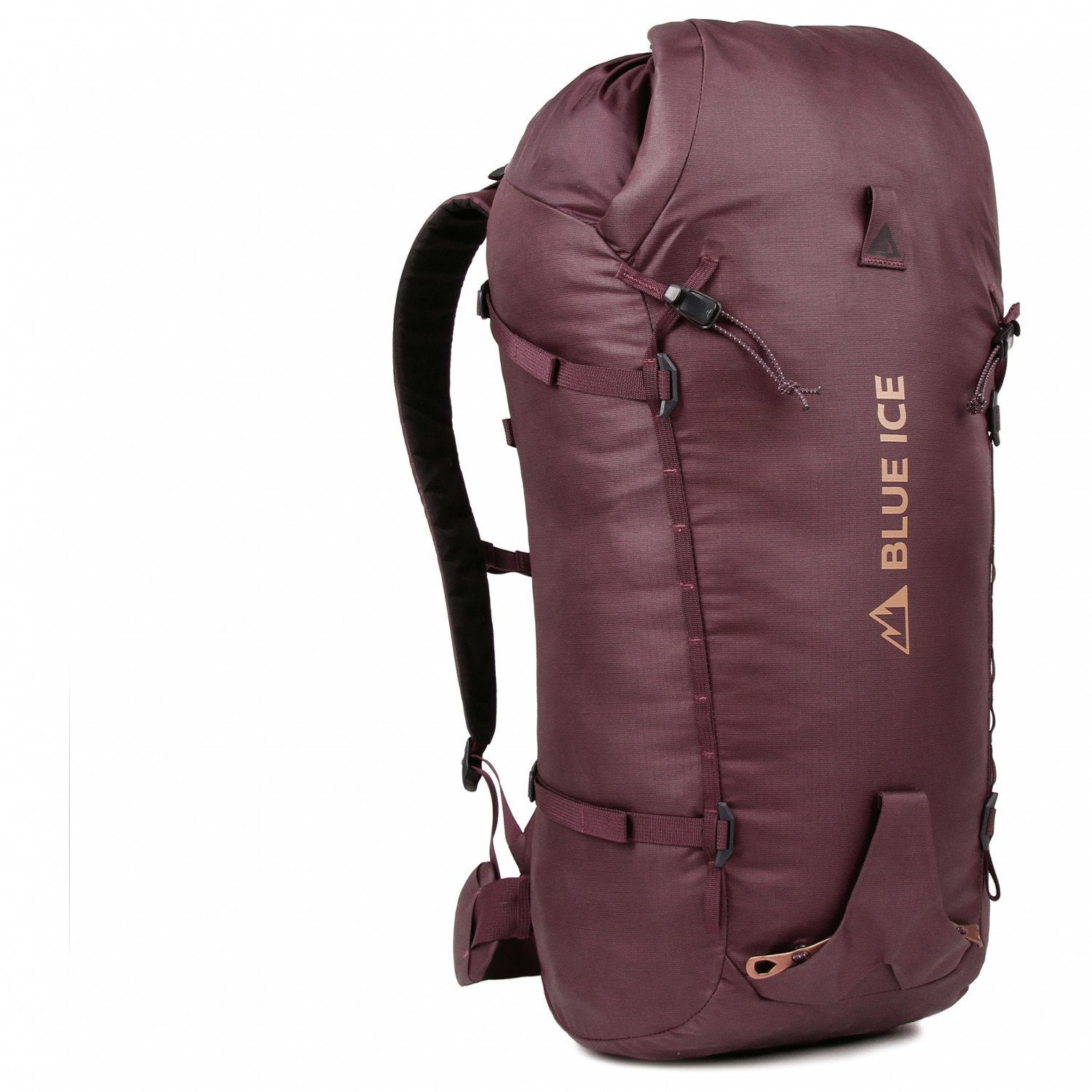
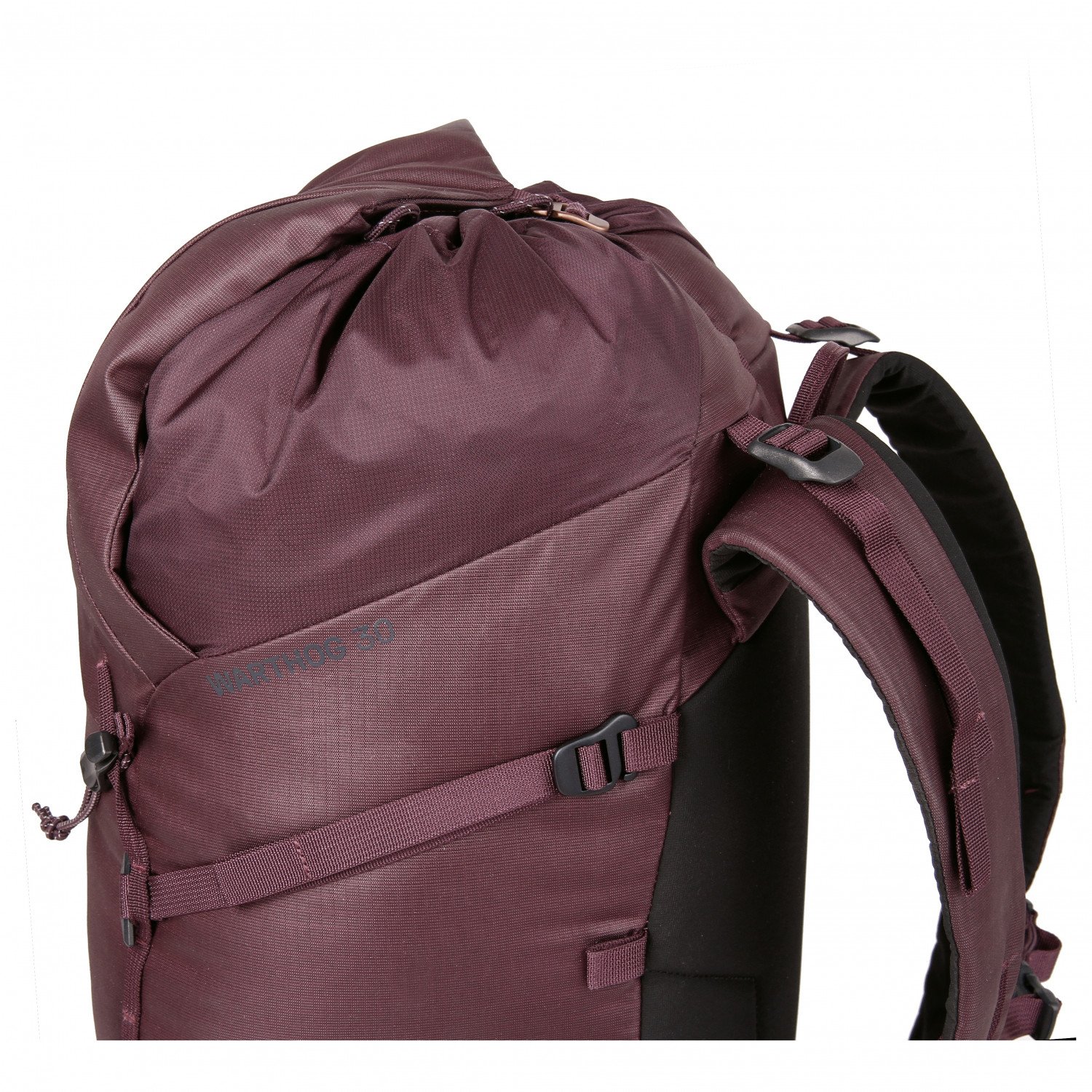
The Blue Ice Warthog 30 is the pack that has quietly become the gold standard for European alpinists — designed in Chamonix by a brand run by people who spend more days on real routes than most product designers do in a career. At 630g fully-featured (dropping to just 530g stripped down), this is one of the lightest genuinely-capable alpine packs on the market, and it earns every bit of its cult reputation in the mountaineering community.
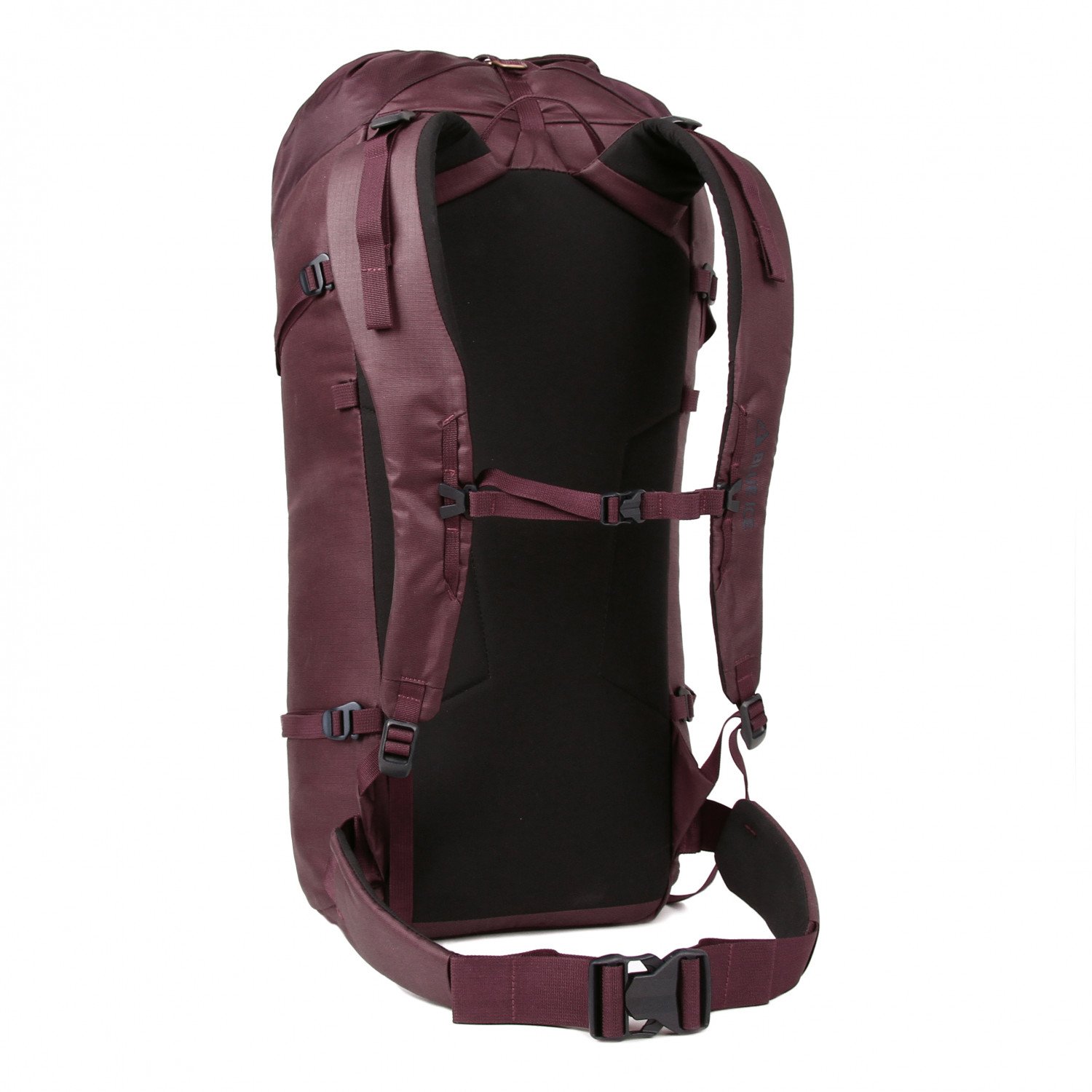
The build reflects proper alpine thinking. The 210D Robic ripstop is PFC-free and bluesign-approved, with a carbonate-coated face fabric that sheds snow and ice — this pack is genuinely engineered for winter conditions, not just marketed at them. Blue Ice’s harness-inspired laminated shoulder straps are the standout carry feature: they sit incredibly low-profile against the body, which matters enormously when you’re climbing steep mixed ground and don’t want a pack lifting or shifting on your back.
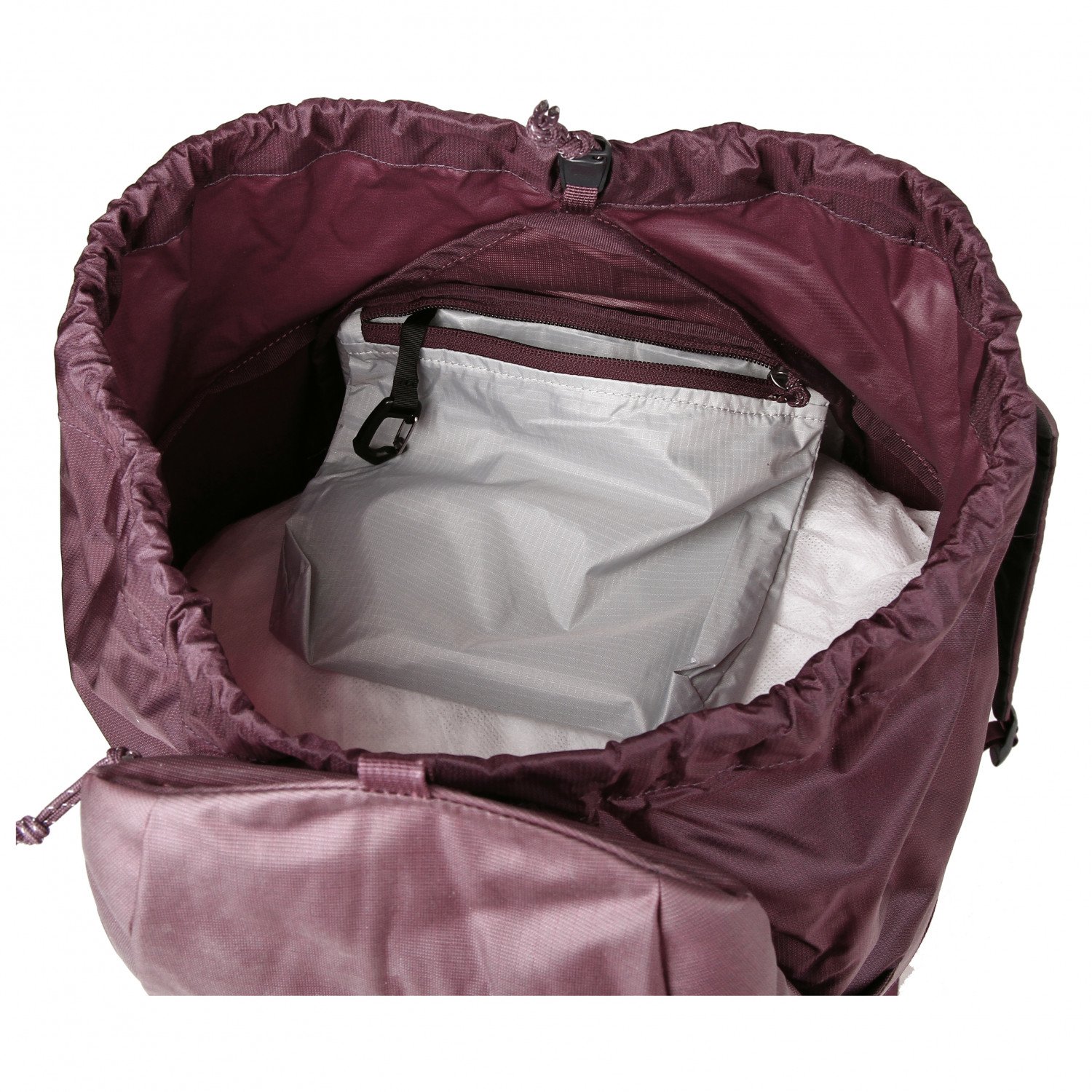
The stripped-down design philosophy is what makes it work. Every part of the pack — the framesheet, the hip belt padding, the compression straps, the chest strap — can be removed. Take it winter mountaineering with everything on, or strip it back to a 530g summit bag for the technical section of an alpine route. Dual ice axe holders, a 3D ice tool sleeve, helmet holder compatibility, and an integrated rope carry system cover the full winter and mixed-climbing use case without any of the plastic-buckle clutter that plagues cheaper packs.
The 30L volume is deliberate — big enough for a full winter day out with rope, screws, layers, and food, but not so large that you’re tempted to overpack. One honest note from long-term users: the 30L rating is slightly optimistic compared to some competitors, so if you regularly carry double ropes or overnight kit, consider the 45L version. And at this discounted price, it undercuts most direct competitors by €40–€80.
Best for: Winter mountaineering, ice climbing, mixed alpine routes, and any objective where weight matters and the pack needs to survive real winter conditions. Perfect for climbers stepping up from summer sport into proper alpine terrain.
Pros
- Only 630g fully-featured, 530g stripped
- Chamonix-designed by working alpinists
- Fully modular — strip every non-essential component
- PFC-free, bluesign-approved fabric
- Carbonate-coated face for winter conditions
- Dual ice axe + 3D ice tool sleeve
- Currently ~25% off on both retailers
Cons
- 30L rating slightly optimistic — pack is compact
- Overkill for pure sport cragging
- Toploader-only main access
- Removing the hip belt padding takes effort
5. Black Diamond Creek 35
🎒 Best for Crag Hauling & Gear Transport 🔥 10% Off
⚡ On sale now: Alpinetrek UK £143.96 (was £159.95) or Bergfreunde DE €143.96 (was €159.95)
Score Breakdown
Detailed Review
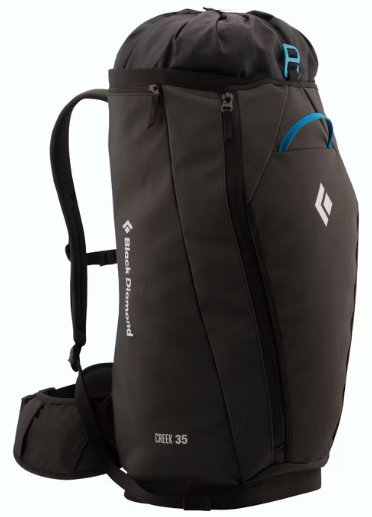
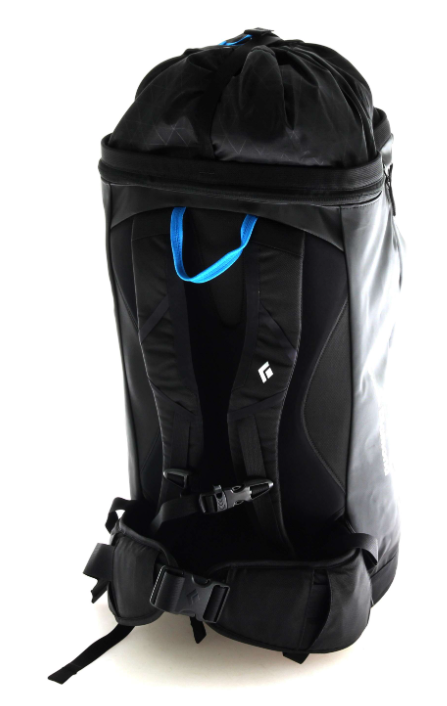
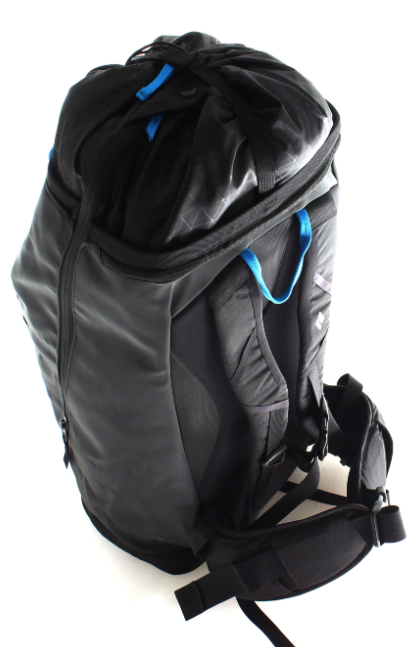
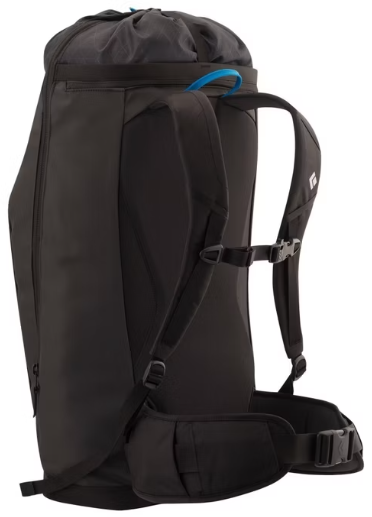
The Black Diamond Creek 35 is in a category of its own—this isn’t a climbing pack in the traditional sense, but rather a gear transport system that happens to have shoulder straps. At 35L, it’s designed for hauling everything you need for a day (or week) at the crag, and it excels at that specific task.
This pack is virtually indestructible. The TPU-coated fabric is fully waterproof, and the burly construction means you can stuff it full of sharp cams, ice screws, and rope without worrying about punctures or tears. It should last easily 10 years in my opinion, making it an excellent long-term investment despite the premium price.
The Creek 35’s party trick is its stand-up design. Unlike traditional backpacks that collapse when empty, the Creek holds its shape, making it perfect for van life where you need to tuck gear into vertical spaces or slide the pack under a bed without everything spilling out. The top-loading design and wide opening make packing and unpacking a breeze.
However, this tank-like construction comes with significant drawbacks. At 1.1kg empty, it’s heavy—far too heavy for actual climbing. This is a pack you use to get to the crag, not a pack you wear whilst climbing routes. The simple design also means limited organisational features compared to dedicated climbing packs.
Best for: Vanlifers, gear haulage, and climbers who need a bombproof duffel-style pack for transporting gear between crags. Perfect as a “van-to-crag” pack that stays at the base whilst you climb with something lighter.
Pros
- Durable, comfortable, simple design
- Fully waterproof construction
- Stands up on its own
- Huge 35L capacity
- Virtually indestructible
- Perfect for van organisation
Cons
- Heavy at 1.1kg
- Few hydration features
- Too large for actual climbing
- Limited organisation options
- Expensive for what it is
How to Choose the Right Climbing Backpack
Capacity: How Much Do You Really Need?
Climbing pack capacity typically ranges from 15L to 35L. Here’s how to decide:
- 15-20L: Perfect for sport climbing, single-pitch cragging, or minimalist multi-pitch where you’re travelling light. Fits rope, shoes, harness, 15 draws, and lunch.
- 20-30L: The sweet spot for most climbers. Accommodates double rope setups, light racks, extra layers, and provisions for all-day routes.
- 30-40L: Gear haulers and approach packs. Best for big wall climbers, alpine objectives, or van-to-crag gear transport.
Weight vs. Durability
There’s always a trade-off between weight and durability. Lighter packs (under 0.7kg) use thinner fabrics that wear faster. Heavier packs (0.9kg+) use burlier materials that last longer. Consider your priorities:
- If you’re doing long alpine approaches where every gram counts → prioritise weight
- If you’re a weekend warrior at busy sport crags → prioritise durability
- If you’re vanlifing and your pack sees constant use → definitely prioritise durability
Waterproofing: Do You Need It?
Fully waterproof packs like the BD Creek 35 are heavier and more expensive. For most climbers, a water-resistant pack with a separate rain cover is sufficient. Consider waterproofing if:
- You climb in consistently wet environments (UK, Pacific Northwest)
- You need to protect sensitive electronics
- You’ll be using the pack for gear transport in all conditions
Pack Care & Maintenance
Your climbing pack is an investment. Here’s how to make it last years longer with proper care:
🧼 Cleaning
- ✓Never machine wash: Hand wash only with lukewarm water and mild soap (Nikwax Tech Wash is excellent)
- ✓Spot clean regularly: Address chalk stains and dirt before they set in
- ✓Air dry thoroughly: Never leave a damp pack in your van—hang it outside or near a vent
📦 Storage
- ✓Store empty and loosely packed to prevent fabric creasing
- ✓Hang if possible rather than crushing under other gear
- ✓Keep out of direct sunlight when not in use (UV degrades nylon)
🔧 Repair
- ✓Fix small tears immediately with Tenacious Tape or similar fabric patch
- ✓Replace broken buckles before they fail completely
- ✓Many brands offer repair services—check before buying new
💡 Pro Tip: A well-maintained pack can easily last 5-7 years of regular use. That £100 investment breaks down to less than £20 per year—far cheaper than replacing a neglected pack every 2 years. Treat your gear right, and it’ll take care of you on the rock!
Final Recommendation
For winter and alpine climbers, the Blue Ice Warthog 30 is the standout of this test — our highest score at 9.1/10. Sport climbers on a budget will love the Petzl Bug, weight-obsessed alpinists should look at the Black Diamond Blitz 28, and if you carry bigger loads the Patagonia Ascensionist 35 is the ethical all-rounder.
Whatever you choose, buy from local climbing shops when possible—they’re the heartbeat of the climbing community and deserve our support.
🎒 Complete Your 2026 Crag Setup
A world-class rope is only as good as the pack you carry it in. If you’re upgrading your cord, make sure your bag can handle the weight and volume of a 70m+ line.
Frequently Asked Questions
What size climbing backpack do I need for sport climbing?
For sport climbing, an 18-20L pack is ideal. This gives you enough room for a 70m rope, 15 quickdraws, shoes, harness, and snacks without carrying unnecessary bulk. The Petzl Bug (18L) is an excellent choice, with the Petzl Cliff 36 as the budget option if you want an integrated rope tarp
Should I get a waterproof climbing pack?
It depends on your climbing location and style. If you climb primarily in dry climates (Spain, Greece) or can duck under cover when it rains, a water-resistant pack with a rain cover is sufficient and lighter. If you climb in consistently wet environments like the UK or Alps, consider a fully waterproof pack like the Black Diamond Creek 35.
How do I clean my climbing backpack?
Never machine wash your climbing pack. Instead, hand wash with lukewarm water and mild soap (avoid harsh detergents). Use a soft brush for stubborn stains, rinse thoroughly, and hang to dry in a shaded, well-ventilated area. Never tumble dry or leave in direct sunlight.
What’s the difference between a climbing pack and a hiking pack?
Climbing packs are designed specifically for the demands of climbing: they’re more durable (to handle sharp gear), more streamlined (to avoid snagging), and feature climbing-specific organisation like gear loops, rope attachments, and quick-access pockets. Hiking packs prioritise comfort for long-distance carrying with heavier loads.
Can I use a climbing pack for air travel?
Most climbing packs in the 18-25L range will fit as carry-on luggage on European budget airlines. However, check your specific airline’s dimensions—EasyJet and Ryanair have particularly strict rules. Compact packs like the Petzl Bug fit most easily; taller alpine packs like the Blitz 28 (64cm) usually need to travel half-emptied and compressed.
How long should a climbing backpack last?
With proper care, a quality climbing pack should last 3-5 years of regular use. Heavy users (climbing 3+ days per week) may see shorter lifespans, whilst occasional users can easily get 7-10 years.Durability varies significantly by fabric weight—TPU-coated haulers like the Creek 35 outlast ultralight 100D packs like the Blitz 28 by years.
Do I need a rope tarp on my climbing pack?
A rope tarp isn’t essential but it’s extremely useful. It keeps your rope clean when unpacking at the crag and can double as a groundIf your pack doesn’t have an integrated tarp (most in this test don’t), consider buying a separate rope bag or tarp—your rope will thank you.
Which climbing backpack should I buy if I’m just starting out?
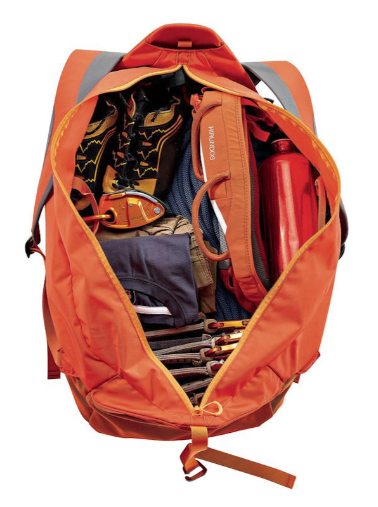
Bonus: PETZL CLIFF 36L
🏜️ Best budget option for Starting-Out Sport Climbing
Available at specialist retailers
Score Breakdown
Detailed Review
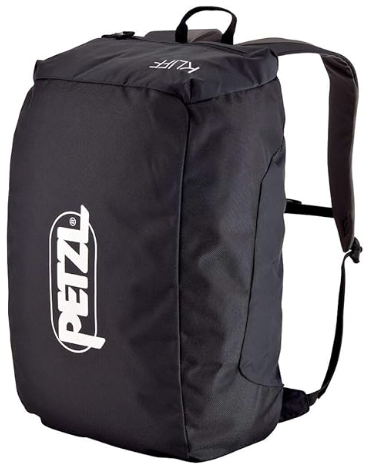
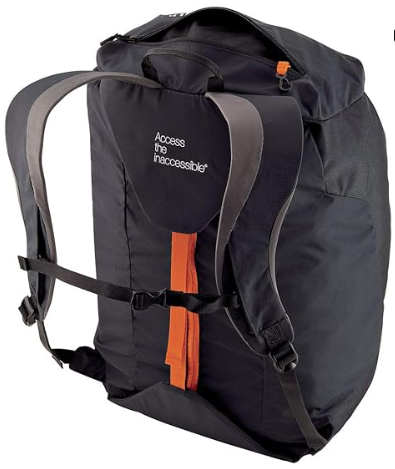
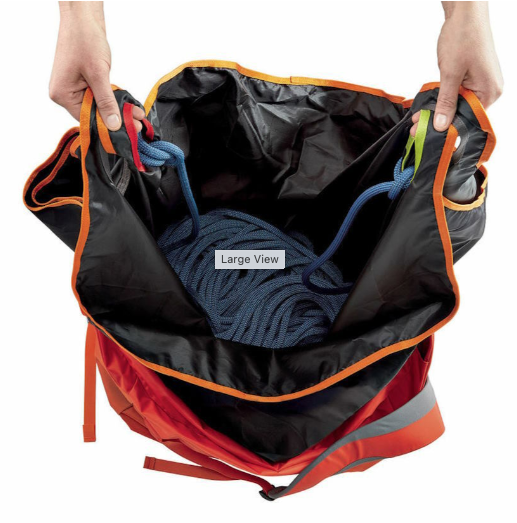
The Petzl Cliff’s built-in rope tarp is brilliant. It’s stored inside the pack and quickly detaches when you arrive at the crag. Spread it out on the ground, uncoil your rope onto it, and you’re climbing with a clean rope instead of dragging it through dirt and grit. For beginners who are still learning rope management, this feature alone is worth the investment—your rope will last longer and you’ll look like you know what you’re doing!
🎯 Perfect starter pack: If you’re just beginning your climbing journey, the Petzl Cliff is hands-down the best value option. At £65, it’s affordable enough that you won’t regret the purchase if you decide climbing isn’t for you, yet it includes the one feature that really matters
Once you’ve got a few years under your harness and you know exactly what type of climbing you love (sport, trad, alpine, bouldering), then you can invest in a more specialised pack. But for now? Keep it simple, keep it affordable, and spend the £50+ you saved (compared to premium packs) on more important things like a good pair of shoes, a skills course with a qualified instructor, or extra days at the crag. The Petzl Cliff will serve you brilliantly for your first 2-3 seasons, and that’s all we needed at first.
Pros
- Integrated detachable rope tarp
- Extremely affordable
- Perfect capacity for beginners, lots of space
- Simple, intuitive design
- Keeps everything clean and protected
Cons
- No advanced features
- The more you load, less comfortable it can get
- Not ideal for alpine climbing or long approach
- Limited organisational pockets
🔍 Semantic & Keyword Index
Primary: best climbing backpacks 2026 · best climbing pack Europe · climbing backpack review Europe · alpine climbing backpack UK · multi-pitch climbing pack review · Secondary: Patagonia Ascensionist 35 review · Blue Ice Warthog 30 review · Petzl Bug climbing pack · Black Diamond Creek 35 review ·Black Diamond Blitz 28 review · ultralight alpine pack 444g · Petzl Cliff 36 beginner pack · Fair Trade climbing backpack · PFC-free climbing pack · Chamonix alpine pack · sport climbing backpack Europe · winter climbing backpack review · Long-tail: best climbing backpack for van life Europe · lightweight alpine climbing pack under 800g · best multi-pitch pack for sport climbing Europe · Blue Ice Warthog 30 vs Osprey Mutant · Patagonia Ascensionist vs Blue Ice Warthog · best climbing pack Alpinetrek UK · best climbing backpack Bergfreunde · durable crag pack for gear hauling · beginner climbing backpack with rope tarp · sustainable climbing backpack Europe · which climbing pack for multi-pitch trad · climbing backpack for Kalymnos Sardinia Costa Blanca