The Essential Guide to Climbing Guidebooks
Why Physical Guidebooks Matter, How to Choose Them & Where to Buy
View the 2026 Starter Pack →
Why Physical Climbing Guidebooks Still Matter in 2026
In an age dominated by apps, you might wonder if physical climbing guidebooks are still relevant. The answer is an emphatic yes—especially for vanlife climbers exploring Europe.
Yes, apps like 27Crags and Rockfax Digital are brilliant tools for quick reference and community-driven beta. But when you’re planning your next month from a rainy parking spot, or when your phone dies on pitch three of a multi-pitch classic, that guidebook becomes your best friend.
More importantly, physical guidebooks are tangible support for the climbing community and infrastructure. When you buy a professionally published guidebook, you’re directly funding:
- Bolt replacement programmes – Your money maintains the fixed protection you rely on
- Access negotiations – Publishers and local organisations work with landowners to keep crags open
- Passionate documentarians – You’re recognising the immense effort of climbers who spent years mapping every route, approach, and hazard
- Local climbing communities – Guidebook sales support climbing shops, guide services, and community projects
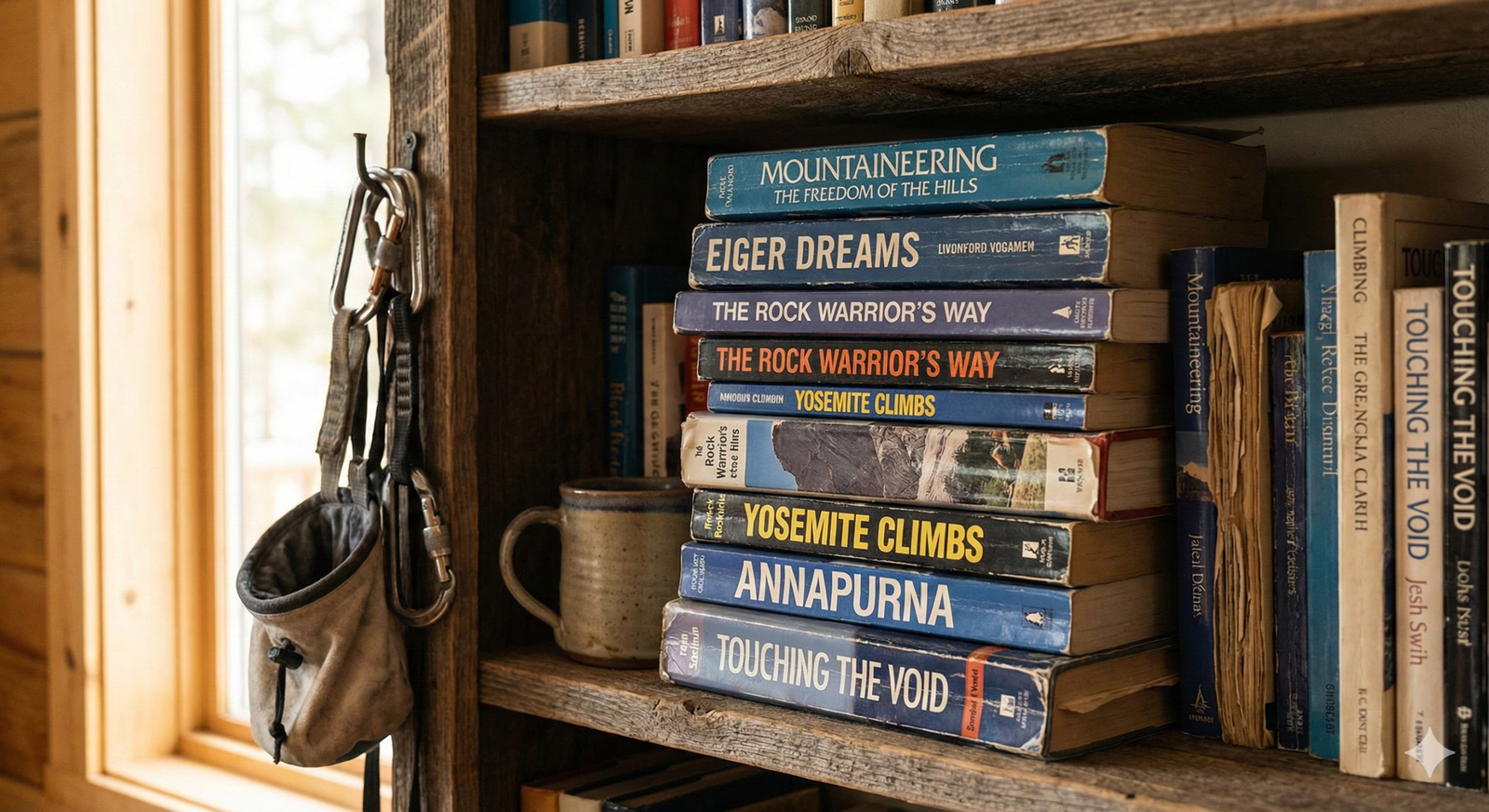
Beyond the practical and ethical reasons, physical guidebooks are simply better resources. Apps are crowdsourced databases prone to errors and incomplete information. Professional guidebooks are curated works of passion with far more detail, accuracy verification, professional photography, and comprehensive approach information. Plus, they become cherished souvenirs—my bookshelf of climbing guidebooks tells the story of my European adventure in a way no app ever could.
🚐 Vanlife Reality Check
Most European climbing crags have zero mobile signal. Physical guidebooks never run out of battery, work in any weather, don’t require downloading 50GB of offline maps, and you can’t drop them off a cliff and destroy your entire communication system. When it’s -5°C and your fingers are numb, try using a touchscreen versus flipping a page.
📋 Table of Contents
- Physical Guidebooks vs Digital Apps
- Essential Resource: Rockfax Trad
- How to Choose the Right Guidebook
- Understanding Editions & Publication Dates
- Language Considerations
- Essential Features to Look For
- Where to Buy: Support the Climbing Community
- Major Climbing Publishers & What They Support
- Best Databases for Finding Guidebooks
- Maintaining Guidebooks on the Road
- Frequently Asked Questions
Physical Guidebooks vs Digital Apps: The Reality for Vanlife Climbers
Let’s address the elephant in the room: why carry heavy books when you have apps? Here’s the honest comparison based on three years of European vanlife climbing:
📱 Digital Apps
Best For Quick Reference & Community
- Quick reference at the crag with signal
- Real-time user comments and conditions
- Route tracking and climbing logs
- Last-minute route changes
- Lightweight for flying/hiking
- Searchable across regions
Check out our Best Climbing App review
📚 Physical Guidebooks
Essential for Serious Vanlife Climbing
- No signal required – Works everywhere
- Battery independent – Forever routes
- Superior planning – Van-based route planning
- Better detail – Professional editing
- Sharing – Multiple people simultaneously
- Community support – Funds bolt replacement
- Permanent – Apps disappear, books last
🎯 The Winning Strategy: Use Both
📚 Physical Guidebooks For:
- Planning routes from your van
- Detailed beta and approaches
- Offline reference (no signal areas)
- Multi-pitch climbs
- Primary navigation
📱 Digital Apps For:
- Quick checks when you have signal
- Logging climbs and tracking progress
- Reading recent conditions/comments
- Discovering new areas quickly
- Supplementary reference
Don’t choose one or the other. We use physical guidebooks as our primary resource and apps as complementary tools.
Essential Resource: Rockfax Trad
Before diving into how to choose guidebooks, I need to highlight one book that every climber should consider: Rockfax Trad.
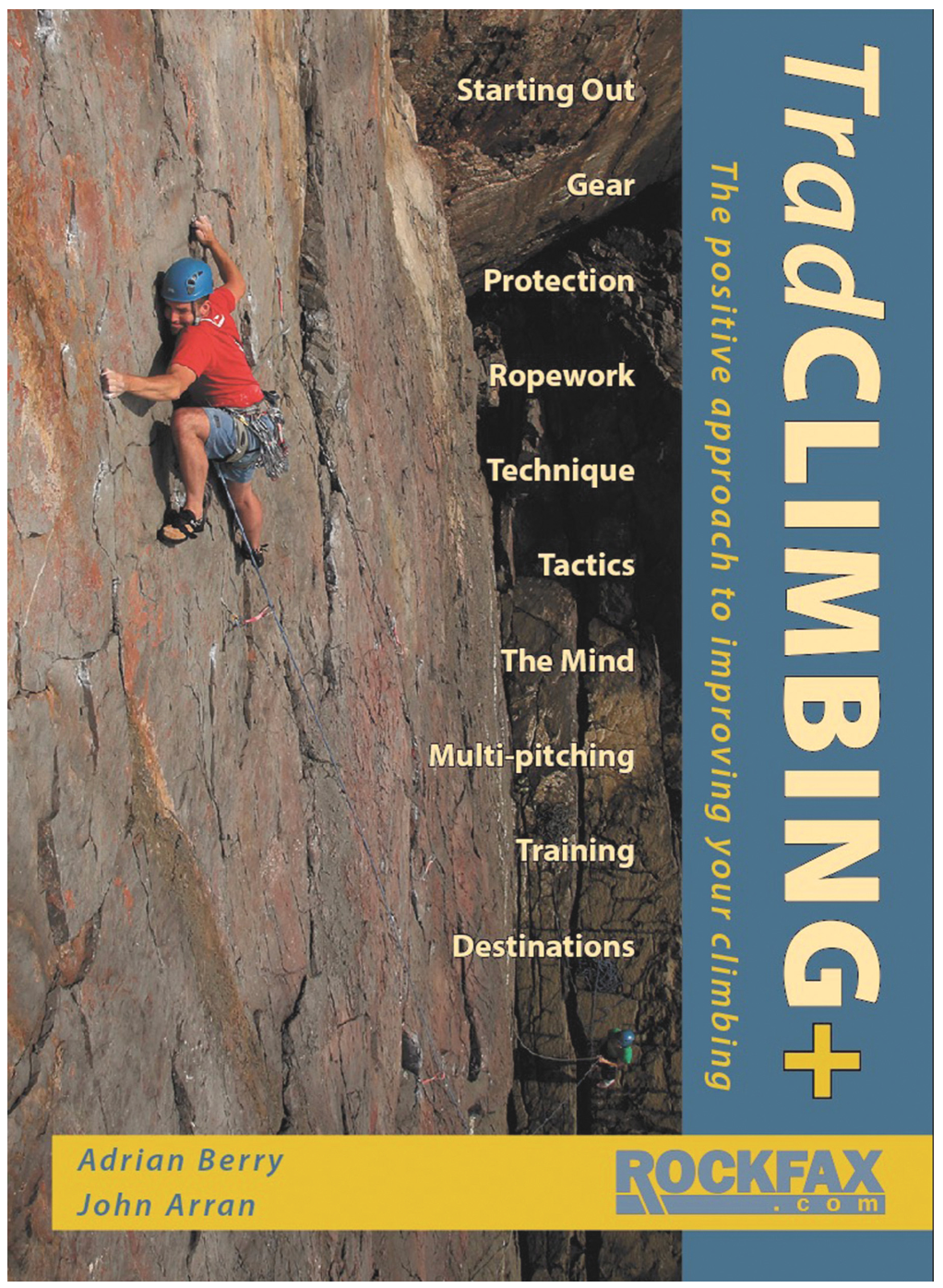
This comprehensive guidebook is an invaluable piece for anyone starting their trad climbing journey. It covers the best traditional climbing venues across England, Wales, and Scotland, but more importantly, it teaches you how to read and use climbing guidebooks effectively.
Why this book matters even for European sport climbers:
- Perfect introduction to trad climbing – Understand gear placement, protection assessment, and route finding before heading to alpine terrain
- Sets the standard – Shows what excellent guidebook writing looks like: detailed approaches, comprehensive gear lists, accurate grades
- Transfers to European climbing – The skills you learn reading this book apply directly to alpine multi-pitch routes in the Dolomites, mixed routes in the Alps, or any traditional climbing
- Educational investment – This isn’t just a guidebook; it’s climbing education that makes you a more competent, safer climber
- British climbing culture – Understanding UK climbing ethics and standards helps you navigate European climbing communities
🧗 My Recommendation
Even if you’re primarily a sport climber, understanding traditional climbing fundamentals makes you more versatile. Many European areas have mixed routes, runout sections, or require trad gear for descents. This book gives you the foundation to handle these situations confidently.
Buy from Rockfax →How to Choose the Right Guidebook
Walking into a climbing shop (or browsing online) can be overwhelming. Dozens of guidebooks, multiple publishers, various languages. Here’s how to choose wisely:
Match Guidebook Type to Your Climbing Style
🧗 Sport Climbers
Look for: Clear bolt counts, accurate grades, photo topos showing bolt positions, approach times, sector descriptions. Publishers like Sport Climbing Rockfax excel at sport climbing guides.
🪨 Boulderers
Need: Circuit information, problem density maps, landing zone descriptions, clear directions to boulder fields. Check for regular updates as new problems constantly get developed. Check out this bouldering guide for Peak District like Bouldering Rockfax excel at sport climbing guides.
🏔️ Trad & Alpine Climbers
Essential: Comprehensive gear lists, protection descriptions, descent routes, weather information, emergency details. Trad Climbing Rockfax is the gold standard.
🎿 Multi-Pitch Enthusiasts
Crucial: Pitch-by-pitch topos, estimated times, belay station descriptions, rappel information, approach and descent details. Professional photography helps route identification.
Consider Van Storage Realities
Every centimetre of van space matters. Here’s a practical guidebook storage strategy:
- Current climbing: 1-2 guidebooks maximum in an easily accessible spot (magazine rack on wall, pocket on back of seat)
- Next destinations: 2-3 books in waterproof storage box under bed or in overhead cupboards
- Archive or trade: Don’t hoard books for areas you’ve finished. Trade with other vanlifers or send home
- Weight consideration: Some comprehensive guides weigh 1kg+. That’s fine for vans but consider if you’re doing any backpacking approaches
Regional vs. Comprehensive Guides: The Strategy
This is a critical decision for budget and space-conscious vanlifers:
Comprehensive guides cover entire countries or large regions. They’re perfect for:
- Initial trip planning and route decisions
- Sampling multiple areas to decide where to settle
- Budget-conscious travellers (one book, many destinations)
- Shorter trips (under 3 months in a country)
Regional guides focus deeply on specific areas. Best for:
- Extended stays (month+) in one area
- Climbers who want every single route option
- Finding hidden gems and less crowded sectors
- Local beta like shops, cafes, and camping spots
Recommended approach: Start with comprehensive guides for big-picture planning, then buy detailed regional guides if you end up loving an area and staying longer than planned.
Understanding Editions & Publication Dates
This is where many climbers waste money or end up with outdated information. Here’s what you need to know:
Publication Date Matters
📅 Quick Reference Guide
Published within 3 years: Excellent—current access info, recent route additions, up-to-date grades
3-5 years old: Good—routes don’t change, but verify access online before trusting parking/camping info
5-8 years old: Acceptable if no newer edition exists—expect some outdated logistics information
8+ years old: Caution—access situations change, new sectors get developed, old sectors may be closed. Cross-reference with online resources like TheCrag or 27Crags
Edition Numbers Explained
Higher edition numbers generally mean better quality:
- 1st Edition: Pioneering work but may contain errors. Route grades might need refinement. Approach descriptions can be vague. Best for newly developed areas with no alternatives.
- 2nd Edition: Routes verified, grades adjusted based on consensus, errors corrected. Usually significant improvement over 1st edition.
- 3rd+ Edition: Mature guidebook with refined information, additional routes, better photography. These are typically the most reliable.
- Completely revised editions: Sometimes publishers completely rewrite guidebooks. Look for phrases like “fully updated” or “complete revision”—these can represent 30-50% new content.
How to Check Edition Information
Before buying any guidebook:
- Check copyright page: First few pages show publication year and edition number
- Google search: “[guidebook name] latest edition” or “[guidebook name] [year] edition review”
- Publisher website: Most maintain current edition lists
- Climbing forums: UKClimbing.com forums often discuss new editions and significant changes
- Ask locally: Climbing shop staff know which editions are current and which to avoid
💡 Pro Tip: Edition Timing
New editions often release in winter (November-February) for spring buying season. If you’re buying in autumn and the current edition is 4-5 years old, wait a few months—a new edition might be imminent. Check publisher websites or ask climbing shops.
Language Considerations for International Climbers
Language shouldn’t be a barrier to using excellent guidebooks. Here’s the reality:
English Guidebooks
Available for most major European climbing destinations through publishers like:
- Rockfax – Extensive European coverage in English
- Cordee – UK publisher with European titles
- Vertebrate Publishing – Select European destinations
Local Language Guidebooks
Many exceptional guidebooks never get English translations. Don’t let this stop you:
- Topos are visual: Route lines on photos work in any language
- Grades are universal: Numbers are numbers everywhere (just learn the grading system conversions)
- Symbols are international: Bolt symbols, gear symbols, belay stations look the same everywhere
- Google Translate is magic: Point your camera at approach descriptions for instant translation
- Basic climbing vocabulary: Learn 20-30 climbing terms in the local language and you’re set
Bilingual Editions (Best of Both Worlds)
Many European guidebooks are published in bilingual format:
- French/English editions common in France
- German/English editions for Alpine areas
- Italian/English for Dolomites
- Look for “English/[Language]” or “Bilingual” on covers
🗣️ Language Learning Opportunity
Using local-language guidebooks is actually a brilliant way to learn climbing-related vocabulary. You’ll naturally pick up approach terms (left/right, forest, path, parking), route descriptions (overhanging, vertical, crimpy), and safety words. This makes you a better international climber and helps with local community integration.
Essential Features to Look For in Climbing Guidebooks
Not all guidebooks are created equal. Here are the non-negotiable features and nice-to-haves:
Absolutely Essential Features
- GPS coordinates: Must work with Google Maps or standard GPS apps. Old-school coordinates in obscure formats are useless.
- Clear approach descriptions: Walking time estimates, path descriptions, difficulty ratings for approaches. “From the parking, follow the obvious trail for 15 minutes” is perfect.
- Accurate grades: Ideally mention grading system used and indicate if routes are known to be sandbags or soft.
- Quality topos: Photo topos for sport/trad, clear line drawings for complex routes. Bolt positions marked on sport routes.
- Sector maps: Show relationship between different crags/sectors. Help with logistics planning.
- Access information: Current as of publication. Seasonal closures, restrictions, permissions needed.
Critical for Vanlifers
- Parking information: THE most important vanlife feature. “Large parking suitable for campervans” vs “limited car parking only” makes a huge difference.
- Overnight parking notes: Even if outdated, gives you a baseline. “Overnight parking tolerated” or “strictly enforced no camping.”
- Seasonal recommendations: Which months are best for each crag. Sun/shade information. Weather patterns.
- Water sources: Essential for multi-day sessions. “Stream at parking” vs “bring all water.”
- Nearest facilities: Towns for resupply, climbing shops, medical facilities.
Cool But Not Essential
- Local accommodation listings (camping, hostels)
- Local Cafe and restaurant recommendations
- Public transport information
- Historical context and first ascent information
- Photography beyond topos
- Difficulty ratings for approaches and descents
- Emergency contact numbers
Red Flags: Avoid Guidebooks With…
- No GPS coordinates: Hand-drawn maps only? Hard pass unless it’s the only option
- Unclear grading system: If you can’t tell what grading system they’re using, skip it
- Poor photo quality: If you can’t see the route lines clearly, it’s useless
- No publication date: Impossible to know if information is current
- Obvious errors in sample pages: Check preview pages online—errors suggest poor quality control throughout
Where to Buy Climbing Guidebooks: Support the Community
Where you buy matters enormously. Avoid generic mass-market retailers like Amazon whenever possible. Instead, buy from climbing-specific sources who actively support the community:
Priority #1: Local Climbing Shops or their online website
When you arrive in any climbing area, make it a rule: visit the local climbing shop first.
Why this matters so much:
- Direct community funding: These shops sponsor bolt replacement, crag clean-ups, access negotiations. Your €30 guidebook purchase helps maintain the routes you climb.
- Current beta: Shop owners know about recent closures, access changes, or new sectors. This information can transform your trip.
- Try before buying: Actually flip through the book. Check if it covers the grades and styles you climb.
- Expert advice: Staff can recommend alternatives, point out outdated sections, suggest complementary resources.
- Meet the community: Local shops are social hubs. Find partners, get weather updates, learn about hidden gems.
- Ethical reciprocity: You’re using the climbing resources these businesses maintain. Support them.
🚐 The Vanlife Climber’s Code
Make it a personal rule: every time you arrive in a new area and plan to climb for more than a week, visit the local climbing shop and purchase something—guidebook, chalk, brush, quickdraw, or even just a coffee if they have a cafe. These businesses are the lifeblood of climbing communities. Without them, many crags would be inaccessible or poorly maintained.
How to Find Local Climbing Shops
- Google “[area/town name] climbing shop” or “climbing gear”
- Ask in area Facebook climbing groups before arriving
- Check guidebook introduction pages—shops often mentioned
- Ask other climbers at the crag
- Check TheCrag or 27Crags area pages—shops are often listed in “services” sections
Buy Direct from Publishers (Second Priority)
When local shops don’t have what you need, go straight to publishers:
Rockfax (UK/International)
The gold standard for European sport climbing guidebooks. Buying direct means maximum money goes to the creators. They offer digital+physical bundles (great value), ship worldwide reliably, and regularly update editions. Profits fund ongoing guidebook development and bolt replacement programmes.
Versante Sud (Italy)
Italian publisher specialising in Dolomites, Italian Alps, and Mediterranean climbing. Professional quality, excellent approach maps, particularly strong on alpine routes. Supports Italian mountain rescue and access negotiations.
Desnivel (Spain)
Spanish climbing publisher with extensive Iberian coverage. Many guidebooks available in English. Direct support for Spanish climbing community and bolt replacement funds. Ships throughout Europe.
Panico Verlag (Germany)
German/Austrian alpine specialist. Excellent technical detail, particularly strong on multi-pitch and traditional routes. Supports mountain rescue and climbing access organisations.
Specialist Climbing Retailers (Third Option)
When publishers don’t ship to your location or you want to browse multiple publishers:
Dick’s Climbing Bristol
Dick’s Climbing Bristol’s only dedicated specialist climbing shop, known for having the largest selection of hardware, ropes, and rock shoes in the South West. They offer an incredible range of guidebooks covering the UK, Europe, and beyond, with super-fast same-day dispatch (if ordered by 2:30 PM). As a true “bricks and mortar” shop run by experts, they provide personal, honest advice and even offer boulder mat rentals for the local community. It’s a shop run for climbers, by climbers, who genuinely live and breathe the sport.
Bergfreunde
Major European outdoor retailer with massive guidebook selection. Ships across EU with reasonable rates. Carries guidebooks from multiple publishers in multiple languages. Supports conservation projects and climbing access groups. Good for German/Austrian guidebooks.
Au Vieux Campeur
Historic French outdoor retailer with physical stores and comprehensive online shop. Unmatched selection of French climbing guidebooks. Ships Europe-wide. Deeply connected to French climbing community. Perfect for finding local French guides.
Cotswold Outdoor
UK outdoor chain with strong climbing section. Good guidebook selection, loyalty programme, regular sales. Ships internationally. Part of profits support BMC (British Mountaineering Council) access work and climbing advocacy.
Snow+Rock
UK outdoor specialist with climbing expertise. Decent guidebook stock, knowledgeable staff, ships across Europe. Sponsors climbing athletes and competitions. Good for UK-published guidebooks.
💡 Why Avoid Amazon
Amazon stocks many climbing guidebooks, but buying there means less money reaches the climbing community. Publishers get minimal cuts, local shops lose sales, and none of the purchase price funds bolt replacement, access work, or community projects. Amazon also frequently stocks outdated editions without clearly indicating this, and their return policy encourages treating guidebooks as disposable rather than investments. For the same price (or often less when considering shipping), you can buy from climbing-focused retailers who actually support the sport.
From Other Climbers
The climbing community is generous with guidebook trading:
- Join regional climbing Facebook groups and post wanted/for sale requests
- Check noticeboards at climbing campsites, hostels, and climbing walls
- Post in vanlife groups asking if anyone’s leaving an area
- Attend local climbing events where guidebook swaps happen
- Ask in climbing shops if they know anyone selling used guides
Frequently Asked Questions
Do I really need physical guidebooks if I have apps?
Yes. Apps are tools, but books are essentials for vanlifers:
- No signal: Many European crags have zero reception, and offline map downloads can be unreliable.
- Battery life: Phones die on 8-hour multi-pitch days; books don’t.
- Planning: It’s much easier to plan a week of climbing over coffee in the van with a physical spread.
- Support: Guidebook sales directly fund local bolting and access work.
How do I know which edition to buy?
Check the publication year first (ideally within 3-5 years). Higher editions (2nd, 3rd+) are usually better as they’ve corrected errors from the first print. Always check the publisher’s website for the most recent version before buying used.
Are guidebooks in foreign languages still useful?
Absolutely. Topos are visual, and grades are universal numbers. You can use the Google Translate camera for specific route descriptions, but after a few days, you’ll naturally pick up the local “climbing vocab.”
Can I resell guidebooks after my trip?
Yes! Well-maintained guidebooks hold about 60-70% of their value. You can sell them in regional Facebook groups or trade with other climbers at the crag who are heading where you just came from.
Should I buy guidebooks before my trip or along the way?
The hybrid approach is best: Buy 1-2 comprehensive guides for your first few weeks before you leave. Buy the rest at local shops along the way—it supports the local economy and ensures you get the most current local beta.
What’s more important: publication date or edition number?
Publication date is slightly more critical. A 2024 1st edition is often more useful than a 2015 3rd edition because it will have the most current parking, access, and closure information.
What if the guidebook I need is out of print?
Check Facebook Marketplace, eBay, or local climbing forums (like UKClimbing). Often, local shops in the area still have “old stock” on the shelves, or you can find digital PDF versions on platforms like Rockfax Digital.
Final Thoughts: Invest in Quality Guidebooks
After three years of climbing across Europe from a van, physical guidebooks proved to be one of my best investments. They’ve:
- Worked flawlessly in areas with zero mobile signal
- Survived rain, snow, desert heat, and alpine cold
- Helped me discover hidden crags no app mentioned
- Connected me with local climbing communities
- Funded the bolt replacement that kept me safe
- Become treasured souvenirs of incredible adventures
Yes, they take van space. Yes, they cost money upfront. But they’re reliable, battery-free, work anywhere, and directly support the climbing community that maintains the routes we love.
🚐 Final Van Wisdom
A quality guidebook costs €30-50. That guidebook leads you to dozens or hundreds of routes, helps you find perfect van parking, connects you with local climbers, and funds the bolts that keep you safe. It becomes a companion for months, then a treasured souvenir for life. That’s not an expense—it’s an investment in your climbing adventure, your safety, and the future of the sport.
📱 Complementary Resources
Looking for digital tools to complement your physical guidebooks? Check out our Best Climbing App review — a comprehensive guide to climbing apps, GPS navigation, and offline resources for European vanlife climbing.
Climbing Topo & Publication Context
Keywords: Regional Climbing Guidebooks • Topo Accuracy • Rockfax vs local guides • European Topo Publishers • Digital Climbing Guides • Bouldering Topos • Trad Climbing Beta • Route Descriptions • Approach Maps • Guidebook Ethics & Access Info
🧗 Explore Our Climbing Guides
Detailed crag guides from our van life climbing adventures across Europe