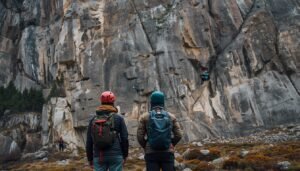
Trewavas Head Climbing Guide
The Lizard / South Cornwall — Perfect Beginner Sea Cliff
📋 In This Guide
There are sea cliffs in Cornwall that command the headlines — Chair Ladder with its epic multi-pitch routes, Bosigran with its legendary ridge, Sennen with its perfect granite. And then there’s Trewavas Head, which quietly gets on with being one of the most accessible, beginner-friendly, and genuinely enjoyable sea-cliff venues in the South West.
Perched on the beautiful stretch of coast between Praa Sands and Porthleven on Cornwall’s south coast, Trewavas Head offers something increasingly rare in UK climbing: proper sea-cliff atmosphere with low commitment and beginner-friendly grades. The climbs are high enough above the sea that they’re non-tidal, short enough (up to 20m) that they’re manageable for developing leaders, and accessible enough (20-minute coastal walk) that you can be climbing within half an hour of leaving the car.
Important note: This guide is built from verified sources including the Climbers’ Club guidebooks, Rockfax West Country Climbs, UKC community reports, and local guiding companies who use Trewavas as their primary beginner venue. All route and access information has been cross-referenced. Car park location (Rinsey) on Google Maps.
Whether you’re stepping up to your first trad leads, looking for a non-intimidating sea-cliff introduction, bringing kids for their first outdoor climbing day with a guide, or simply want quality single-pitch granite without the crowds of Sennen or the commitment of Chair Ladder — Trewavas Head delivers.
Park up in Porthleven the night before at one of the seafront car parks (overnight tolerated with discretion). Wake early, grab pastries from one of Porthleven’s excellent bakeries, then drive the 5 minutes to Rinsey. You’ll beat any guiding groups, have the crag to yourselves for the morning session, return to Porthleven for fish and chips lunch at the harbour, then back for an afternoon session if conditions are good. Finish with sunset drinks at The Ship Inn watching the fishing boats come in. This is one of the easiest climbing days to organise in Cornwall.
Quick Facts
| 📍 Location & 🅿️ Parking | Trewavas Head, South Cornwall — between Praa Sands and Porthleven, part of the broader Lizard climbing area. Access from the village of Rinsey. Rinsey car park on Google Maps → |
| 🚐 Van Parking | Rinsey is small — standard vans OK, larger vans better at Porthleven seafront car parks. Discreet overnight tolerated at Porthleven with discretion. Our recommendation close by: Small lovely campsite nearby · Further away but cheaper option · Where to actually stay if looking for a free nice spot |
| 💧 Water Refill | There are no close by free water points that we found. Most are belonging to campsites so easy if you spend a night, otherwise you will have to drive a little further. Porthleven public toilets have an outdoor tap. Helston petrol stations (~8km). Check Park4Night for current free water sources near Porthleven. |
| 🪨 Rock Type | Fine-grained Cornish granite — distinct from coarser West Penwith granite. Excellent friction, precise footwork required. Cracks can be “disconcertingly blind” but protection is generally ample. |
| 📈 Grade Range | VD to E-grade. Vast majority in the VD–HVS range. Several harder lines for those seeking more challenge. |
| 🧗 Style | Traditional single-pitch trad. Non-tidal — high above the sea. Steep and strenuous even at lower grades. No bolted anchors on most routes. |
| 🥾 Approach | ~20 minutes from Rinsey along the South West Coast Path. Passes the iconic Wheal Trewavas copper mine engine houses. Can be muddy after rain — walking/approach shoes recommended. Use Komoot for directions or similar app. |
| ☀️ Best Seasons | ⭐⭐⭐⭐⭐ Spring (Apr–Jun) & Summer (Jul–Sep) · ⭐⭐⭐⭐ Autumn (Oct–Nov) · ⭐⭐ Winter (possible on sunny days) |
| 🏘️ Nearest Town | Porthleven (~2km) — cafés, pub, Co-op. Helston (~8km) — supermarkets, gear, full facilities. |
| 👶 Beginner-Friendly? | ⭐⭐⭐⭐⭐ YES — THE beginner sea-cliff venue for South Cornwall. Local guiding companies use Trewavas specifically for first-time sea-cliff experiences, including families with children. |
| 💰 Daily Budget | £25–40/day (van cooking, free parking at Rinsey). Porthleven cafés ~£8–12/meal. Campsites in the area £15–25/night. |
Why Climb at Trewavas Head?
Cornwall has no shortage of spectacular sea-cliff climbing. What makes Trewavas Head special isn’t that it’s the biggest, the hardest, or the most famous — it’s that it delivers genuine sea-cliff atmosphere without the intimidation factor. And in a county where many of the best crags demand multi-pitch skills, tidal knowledge, and significant commitment, that’s worth its weight in hex sets.
The cliffs at Trewavas sit high above Mount’s Bay — high enough that the sea is more of a beautiful backdrop than an immediate hazard. You’re climbing on steep granite buttresses with the Atlantic stretching to the horizon, seabirds wheeling below, and the iconic Wheal Trewavas engine houses visible on the headland. It’s proper Cornwall. But you don’t need to abseil in, time the tides, or commit to multi-pitch rope management.
What Makes It Stand Out
Genuinely Beginner-Friendly
Professional guiding companies use Trewavas specifically to introduce first-time climbers to sea cliffs — including children as young as five. Non-tidal, low commitment, solid rock on the main routes.
Non-Tidal Access
The climbs are high enough above the sea that tides don’t matter. No stress, no rush, no planning around tide tables. Just turn up and climb — any time of day.
Excellent Rock Quality
Fine-grained Cornish granite with superb friction. Guidebooks describe the rock as “excellent throughout” on the main routes. Different from coarser West Penwith granite — precise footwork rewarded.
Beautiful Approach
The 20-minute coastal path passes the dramatic Wheal Trewavas copper mine engine houses — part of the Cornwall Mining World Heritage Site. Even non-climbers love this walk.
Sunny South-Facing Aspect
Catches sun all day — warm and pleasant in spring/summer, extends the season significantly into autumn. One of the sunniest sea cliffs in Cornwall.
Multiple Sectors
Trewavas Head, Main Cliff, West Crag, East Crag — enough variety for multiple visits. The perfect progression ground for building Cornish granite skills.
Single-Pitch Simplicity
Routes max out around 20m — perfect for honing trad leading without the rope-management complexity of multi-pitch. Ideal stepping stone to bigger Cornish venues.
Quieter Than the Classics
Significantly less busy than Sennen or Bosigran. Weekdays are often empty. One of Cornwall’s best-kept accessible secrets — for now.
Honest Limitations
Still Trad Climbing
“Beginner-friendly” means beginner-friendly for trad. You still place your own gear and build anchors. Hire a guide if you’ve never climbed trad before.
Blind Cracks
Fine-grained granite creates cracks that are “disconcertingly blind.” Place gear by feel, test everything. Don’t assume a placement is good just because it looks like it fits.
Steep & Strenuous
Even the VDs are strenuous. The granite is steep and the climbing is physical. Don’t be surprised if your forearms are pumped after a couple of routes.
Loose Rock at Sea Level
Some loose rock in places at sea level. Stick to the higher, well-travelled routes where the rock is described as “excellent.”
Small Car Park
Rinsey parking is limited. Summer weekends fill up. Have a plan B — Porthleven parking with a longer walk.
Not a “Proper” Sea Cliff?
Some climbers note you’re quite far above the water. If you want waves crashing directly below you, this isn’t that venue — which is part of what makes it beginner-friendly.
🧗 The Climbing
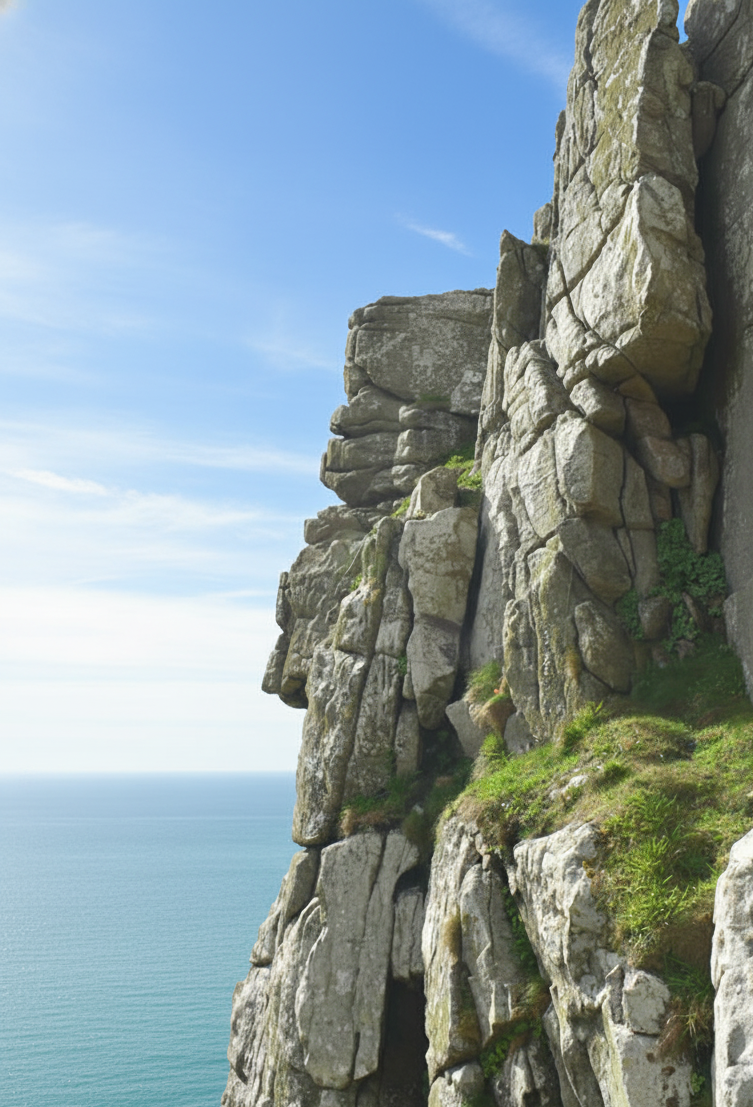
Trewavas Head offers predominantly single-pitch traditional climbing on steep granite buttresses in the VD to HVS range. The rock is fine-grained Cornish granite — distinct from the coarser granite of West Penwith — which provides excellent friction and allows for precise footwork. The climbing style rewards technical movement, good gear placement skills, and a head for exposure.
The crag is divided into several sectors, with Trewavas Head and Main Cliff being the most popular and best-documented. The guidebooks note that most climbs finish on “steep-sided buttresses” with fine sea views, and the “attractive surroundings, sunny outlook, and fine sea views” make Trewavas “one of the most popular venues in West Cornwall.”
The Main Sectors
Trewavas Head
Grades: VD to VS primarily
Character: Steep buttresses, excellent rock, sunny outlook. Primary sector — where most visitors spend their day. Accessible grades, beautiful positions, perfect blend of sea-cliff atmosphere with manageable commitment.
Main Cliff
Grades: Slightly harder on average
Character: More serious, mid-grade routes. VS and E-grade test pieces. Still single-pitch, excellent rock, but a step up in commitment. Natural progression after cruising the VDs on the main head.
West Crag & East Crag
Grades: Variable
Character: Quieter, less documented. Worth exploring on a second visit, or if main areas are busy. Check the Climbers’ Club “Chair Ladder and The Lizard” guide for specific route details.
Route Style & What to Expect
Rock type: Fine-grained granite with superb friction. The fine grain creates “blind” crack systems that require careful gear placement by feel. Protection is generally good once you find it, but test everything.
Route examples: Petering Out (VD, 9m) — a good beginner lead on a layered buttress. One-Pull Wonder and Anglepoise are also referenced in route descriptions on the main head.
Anchors: No bolted anchors on most routes — you’ll need to build trad anchors from gear on the buttress tops. Come prepared to be creative if top-roping. One trip report notes: “We realised there weren’t any anchors we could use… got pretty creative and used a rock.”
The granite here climbs differently from sport crags or limestone. The fine grain means small edges and precise footwork. The cracks can be blind — place gear by feel as much as sight. Protection is generally good once you find it, but test everything. The climbing is steep and physical even at VD — your forearms will know they’ve been climbing.
The positions are spectacular and the routes are well within the abilities of a competent VD/HS leader. Hire a guide for your first visit if you’re new to trad or sea cliffs. They’ll show you the best routes, help with gear placements, and ensure your first Cornish granite experience is brilliant rather than stressful.
The Historic Setting — Wheal Trewavas
One of the unexpected joys of approaching Trewavas Head is walking past the Wheal Trewavas copper mine engine houses — two dramatic stone structures perched on the cliffs overlooking Mount’s Bay. These Grade II Listed buildings are part of the Cornwall Mining World Heritage Site and date from the mine’s heyday in the 1840s.
At its peak, Wheal Trewavas employed over 200 people and extracted 17,500 tons of copper ore worth over £100,000. The mine worked copper lodes that ran south-east under the seabed, with shafts extending 600 feet down and out beneath the Atlantic. The dramatic engine houses you pass on the approach housed the massive pumping engines that kept the underwater workings dry.
Today, the ruins are a photographer’s dream and a powerful reminder of Cornwall’s industrial heritage. The approach to Trewavas Head isn’t just a walk to a crag — it’s a journey through history.
- The mine buildings are perched on cliff edges with open mine shafts in the area.
- Stay on the coastal path — don’t climb over fences or explore off-trail.
- Keep dogs on leads near the mine buildings.
- The buildings are beautiful but dangerous — admire from the path.
Digital Topos & Online Resources
- UKC — Trewavas logbook — Route database, community feedback, conditions reports. Detailed route descriptions are limited but community consensus on quality is strong.
- theCrag — Trewavas Head — Collaborative topos and logbook. Coverage is basic but improving.
- Rockfax Digital — West Country Climbs digital guide includes Trewavas with photo topos. Essential for on-crag use.
Trewavas Head isn’t as heavily documented online as the big-name Cornish crags. The UKC logbook has route entries but limited detailed beta. The best information is in the physical guidebooks below. This is actually part of Trewavas’s charm — it’s not over-documented, over-climbed, or over-hyped. It’s just quietly excellent.
Guidebooks: Buy Them, They’re Essential
Trewavas Head is well covered by three guidebooks, each with slightly different focus and coverage. For most visitors, the Rockfax West Country Climbs is the easiest starting point — and it’s available digitally via Rockfax Digital so you can access topos straight from your phone at the crag. For deeper exploration of the Lizard Peninsula, the Climbers’ Club guides offer unmatched detail and route history.
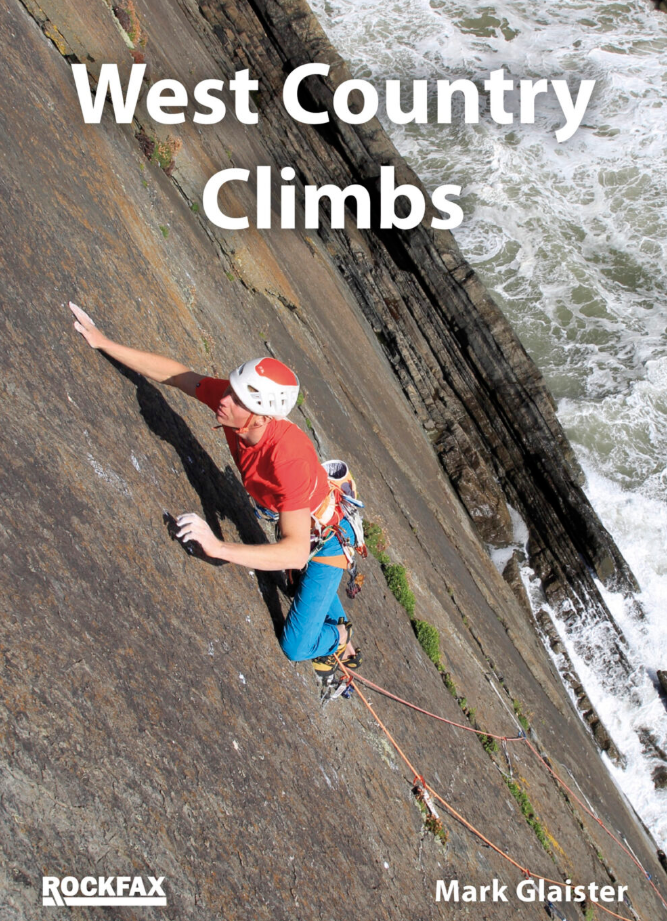
West Country Climbs — Rockfax
The modern, user-friendly reference for South West climbing. If you’re visiting Cornwall for a week and want one guidebook that covers multiple crags, this is it.
Buy from Climb Europe → Buy from Rockfax →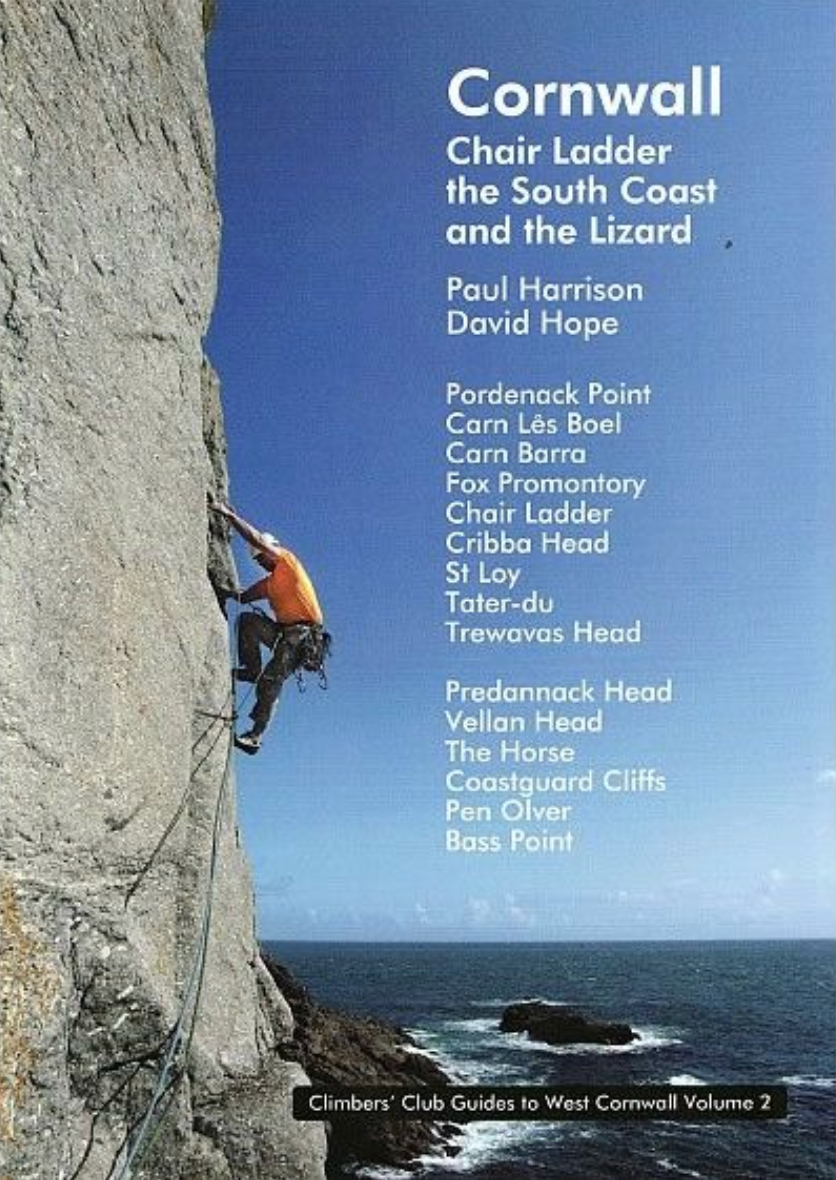
Cornwall: Chair Ladder and The Lizard — Climbers’ Club
The complete reference for the area. More routes, more detail, more history than the Rockfax selection. Essential for serious exploration of the Lizard Peninsula.
Buy from Climbers’ Club → Buy from Climb Europe →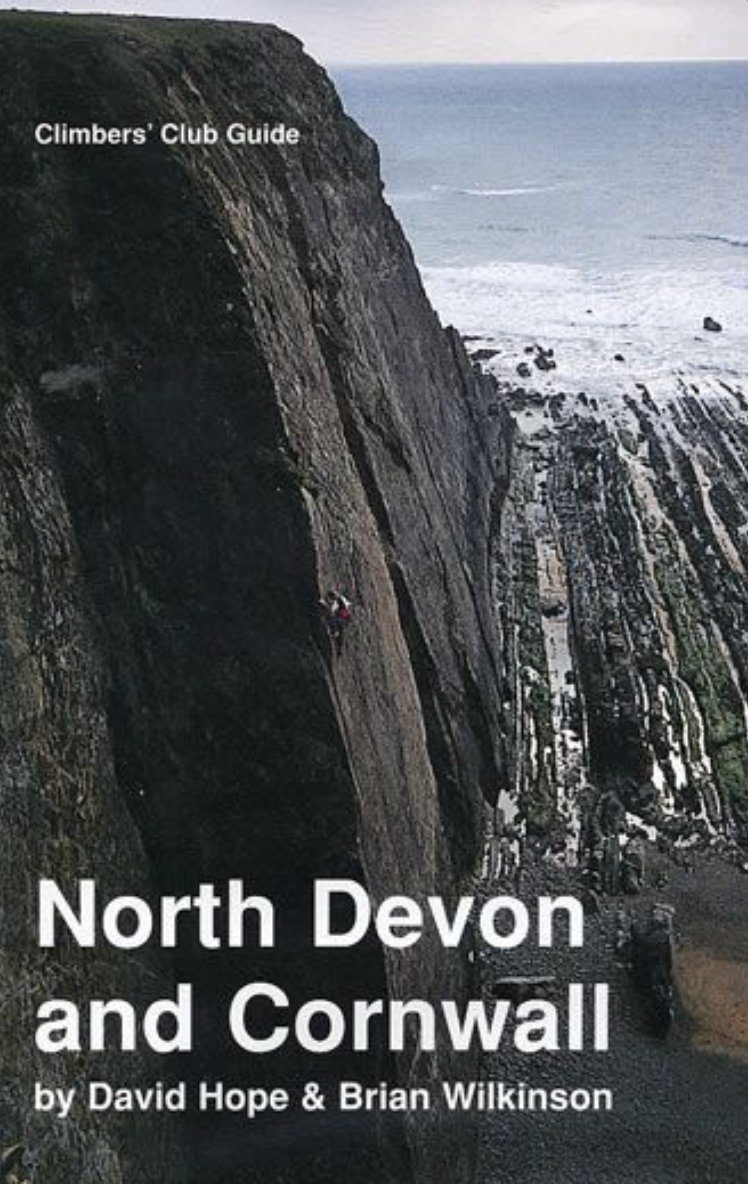
North Devon and Cornwall — Climbers’ Club (2000)
Published 2000 — some information is dated, but still the most detailed source for certain routes. Worth having for completists exploring the wider area.
Buy from Climb Europe →Practical Information
🏨 Places to Stay Nearby
Accommodation Near Praa Sands & Porthleven
Cottages, B&Bs and campsites within ten minutes of the cliff — filter by price, dates and type.
Porthleven — Your Base Town
Porthleven is a beautiful Cornish fishing harbour and the perfect base for Trewavas climbing. It has everything you need:
🍺 The Ship Inn
Classic harbourside pub, climber-friendly, excellent food, good beer. Perfect post-climb pint with harbour views.
🥐 Cafés & Bakeries
Multiple excellent cafés around the harbour. The pasties are outstanding — fuel up before the approach walk.
🛒 Co-op
Small supermarket for supplies. Stock up here — nothing useful at Rinsey. Larger options in Helston (~8km).
💧 Water Refill
Porthleven public toilets have an outdoor tap. Helston petrol stations. Check Park4Night for free water sources.
Van Life & Parking
🅿️ Rinsey Car Park
Small, free. Grid ref SW 600 275. Limited — arrive early in summer. Small vans OK; larger vans better at Porthleven.
🅿️ Porthleven Parking
Larger public car parks (pay & display). Van-friendly. Overnight tolerated with discretion at seafront spots.
🏕️ Campsites
Porthleven Holiday Park and smaller farm campsites nearby. Helston area has multiple van-friendly options at £15–25/night.
🌙 Wild Camping
Discreet overnight on coastal lanes with permission. Always ask landowners and follow Leave No Trace principles. Use Park4Night for current spots.
Getting There
- From Penzance (~20 min): A394 east towards Helston. Turn off for Ashton, then follow signs to Rinsey.
- From Helston (~10 min): A394 west towards Penzance. Turn off for Ashton/Rinsey.
- From Plymouth/Exeter: A30 to Camborne/Redruth, then A394 towards Helston. Well signposted.
- Note: Satnav may stop partway down the lane — keep driving, car park is on the left.
- Public transport: Helston is on bus routes from Penzance/Falmouth. From Helston it’s a taxi or long walk. Realistically, you need a car.
Accommodation & Camping
- Porthleven area campsites — Several options including Porthleven Holiday Park and smaller farm campsites. All van-friendly.
- Helston campsites — ~8km away, multiple options, good facilities.
- Wild camping — Discreet overnight parking possible on some coastal lanes with permission. Always follow Leave No Trace principles and ask landowner permission.
- Penzance — Larger range of accommodation if basing yourself further west and visiting Trewavas as a day trip.
Seasons in Detail
🌸 Spring (Apr–Jun)
⭐⭐⭐⭐⭐ IDEAL. Warming sun, longer days, coastal wildflowers in bloom. When guiding companies are busiest — for good reason.
☀️ Summer (Jul–Sep)
⭐⭐⭐⭐⭐ PERFECT. Warm, sunny, long days. Bring water and sun protection — crag gets hot. Nowhere near Sennen/Bosigran crowds.
🍂 Autumn (Oct–Nov)
⭐⭐⭐⭐ EXCELLENT. Crisp, clear days, quieter than summer. October can be superb. South-facing aspect keeps it warm into late season.
❄️ Winter (Dec–Mar)
⭐⭐ POSSIBLE. Climbable on sunny days — but short daylight, cold sea breeze, and potential rain make it less appealing. Have backup plans.
- Rock quality varies — Stick to the well-travelled higher routes. Some loose rock at sea level.
- Test all gear placements — Blind cracks require careful testing. Don’t assume a placement is good just because it looks like it fits.
- Helmets are mandatory — Falling rock, dropped gear, and other parties above you are all real risks.
- Know your escape routes — Most routes finish on buttress tops with walk-off descent. Know your options before you start.
- Weather can change fast — Atlantic coast. If conditions deteriorate, retreat.
- Mine shaft hazards — Open shafts near the Wheal Trewavas buildings. Stay on the coastal path, don’t climb fences.
Why Trewavas Head Matters
In an age where “beginner-friendly” often gets slapped on crags that are anything but, Trewavas Head is the real deal. Professional guides bring first-time climbers here — kids as young as five — because the combination of accessible grades, non-tidal convenience, solid rock, and low commitment actually works.
But Trewavas isn’t just a beginner crag. It’s a fundamental part of the Cornish climbing progression. This is where you learn to read granite. Where you practice gear placements in blind cracks. Where you build confidence on steep rock with the Atlantic below. Where you discover whether sea-cliff climbing is for you — before you commit to the bigger, harder, more serious venues.
And if you never progress beyond Trewavas? That’s fine too. The climbing here is excellent in its own right. The setting is spectacular. The approach is beautiful. And there are enough VD–HVS routes to keep you busy for years.
Return because it’s one of the South West’s most enjoyable venues, full stop.
Perfect for: Climbers wanting their first sea-cliff trad experience · Families with kids (with a guide) · Developing trad leaders stepping up from single-pitch · Van lifers looking for an easy-to-organise Cornwall climbing day.
Frequently Asked Questions
Is Trewavas Head genuinely beginner-friendly?
Yes — but “beginner-friendly for trad.” Professional guiding companies (Kernow Coasteering and others) use Trewavas Head specifically as their primary beginner venue. They bring first-time climbers here, including children as young as five, because the combination of non-tidal access, low commitment, solid rock on the main routes, and VD–HS grades actually works.
However, this is still traditional climbing on a sea cliff. You need to place your own gear, build anchors, and manage risk. If you’ve never climbed trad before, hire a guide. If you’re a competent VD/HS leader looking for your first sea-cliff experience, Trewavas is perfect.
Do I need to worry about tides?
No. This is one of Trewavas’s greatest advantages. The climbs are high enough above the sea that tides are irrelevant. You don’t need to plan around tide tables, you don’t need to rush, and you don’t risk getting cut off. Just turn up and climb — any time of day.
This is a massive practical advantage over tidal crags like parts of Chair Ladder or the North Coast venues.
How does Trewavas compare to Sennen or Bosigran?
Trewavas is easier, more accessible, and less intimidating. Sennen and Bosigran are Cornwall’s premier granite venues with multi-pitch routes, abseil approaches (in Sennen’s case), and higher commitment. They’re also more popular and can be very busy.
Trewavas offers single-pitch climbing, walk-in access, lower grades, and a gentler introduction to Cornish granite.
Progression path: Start at Trewavas → build confidence and skills → move on to Sennen (single-pitch but more exposed) → eventually Bosigran (multi-pitch, serious commitment). Or just stay at Trewavas — the climbing here is excellent in its own right.
What’s this “blind cracks” thing the guidebooks mention?
The fine-grained Cornish granite at Trewavas creates crack systems that are often “disconcertingly blind” — meaning you can’t see how deep they go or how the crack constricts internally. You place gear by feel as much as by sight.
What this means in practice: Test every placement. Don’t assume a cam or nut is good just because it looks like it fits from the outside. Give it a tug, bounce-test it, make sure it’s seated properly. The guidebooks reassure that “protection is ample” once you find it, but you need to be more careful with gear placements than on more obvious crack systems. This is part of learning to climb granite.
Can I top-rope routes here?
Yes, but with caveats. Some climbers report setting up top-ropes from natural rock anchors on the buttress tops. However, there are no bolted anchors or convenient trees on most routes — you’ll need to build trad anchors using gear. One trip report notes: “We realised there weren’t any anchors we could use… got pretty creative and used a rock.”
Bottom line: Trewavas is primarily a trad leading venue. You can top-rope if you’re creative with anchor building, but if your goal is convenience top-roping, sport crags or indoor walls are better for that.
What gear should I absolutely bring?
Essential climbing gear: Full trad rack (nuts all sizes including small wires, cams 0.5″–3″), long slings, single 50m rope (adequate for most routes), helmet (mandatory).
Approach gear: Proper walking/approach shoes (20-min coastal path can be muddy), small pack, water (crag gets hot and sunny), sun protection, waterproof jacket.
First aid kit — you’re 20 mins from the car and mobile signal is variable. Download OS Explorer 103 as an offline map before heading out, and check the weather forecast.
Share Your Trewavas Head Experience
Have you climbed at Trewavas Head? Which routes did you love? Any local beta or tips to share? Drop your experiences in the comments below to help the community.
Trewavas Head & South Cornwall Climbing Context & Beta
Keywords: Trewavas Head Climbing Guide • Cornish Granite Sea Cliff • Beginner Trad Cornwall • Non-Tidal Sea Cliff UK • South Cornwall Climbing • Porthleven Climbing • Lizard Climbing Guide • Wheal Trewavas Mine • Fine-Grained Granite Cornwall • VD Trad Cornwall • West Country Climbs Rockfax • CC Chair Ladder Lizard • Van Life Cornwall Climbing • Rinsey Car Park Climbing • South West Coast Path Crag • Cornwall Trad Beginner • Single-Pitch Sea Cliff England
🧗 Explore Our Climbing Guides
Detailed crag guides from our van life climbing adventures across Europe
🇪🇸 Spain
🇫🇷 France
🇵🇹 Portugal
🇬🇧 UK
🇮🇹 Italy
📚 Helpful Climbing Resources
Essential guides, tips, and advice for your climbing adventures
🔧 Gear Lab
View all →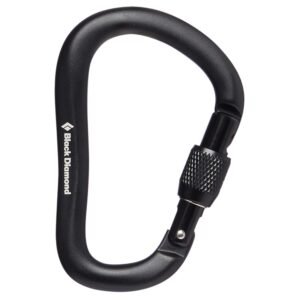
Black Diamond RockLock Review — Our Biggest, Toughest Locker
Read more →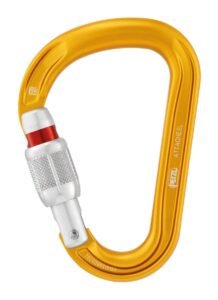
Petzl Attache Review — The Most Versatile First Locker
Read more →🚐 Road Trip Essentials
View all →
10 Underrated European Sport Climbing Destinations (That We Actually Drove To)
Read more →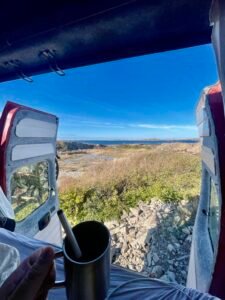
Van Life Electrical Setup 2026 — Our Exact Power System
Read more →📖 Climber's Handbook
View all →
Beginner Climbing Gear List 2026 – Everything You Need to Start Climbing Outdoors
Read more →