Sagres Climbing Guide (Cape St. Vincent)
Read this before planning your trip.
As of February 2025, there is a 20-year ongoing legal dispute between the climbing community and the Southwest Alentejo and Vicentine Coast Natural Park (PNSACV). Climbing is officially forbidden in all areas of Sagres that fall within the park boundaries — which includes virtually all the sea cliffs.
Current Situation (February 2025 Update):
- Climbing is technically illegal in the Natural Park area
- Park rangers can and do approach climbers
- Baleeira sector is “usually not controlled by rangers” and is the most tolerated area
- Strategy if approached: “Play dumb and be nice” — rangers may let you off with a warning
- No recent reports of serious fines, but the legal risk exists
What This Means for You:
You are climbing at your own legal risk. We are documenting Sagres because it is a world-class climbing destination, but we cannot recommend breaking local laws. Respect rangers, understand the risks, and make informed decisions.
Consider alternatives: Rocha da Pena (100 routes, fully legal, 1 hour inland) or Lisbon area crags (legal, diverse climbing).
With that said, here’s the complete information about Sagres climbing — one of Europe’s most spectacular (and controversial) sea-cliff destinations.
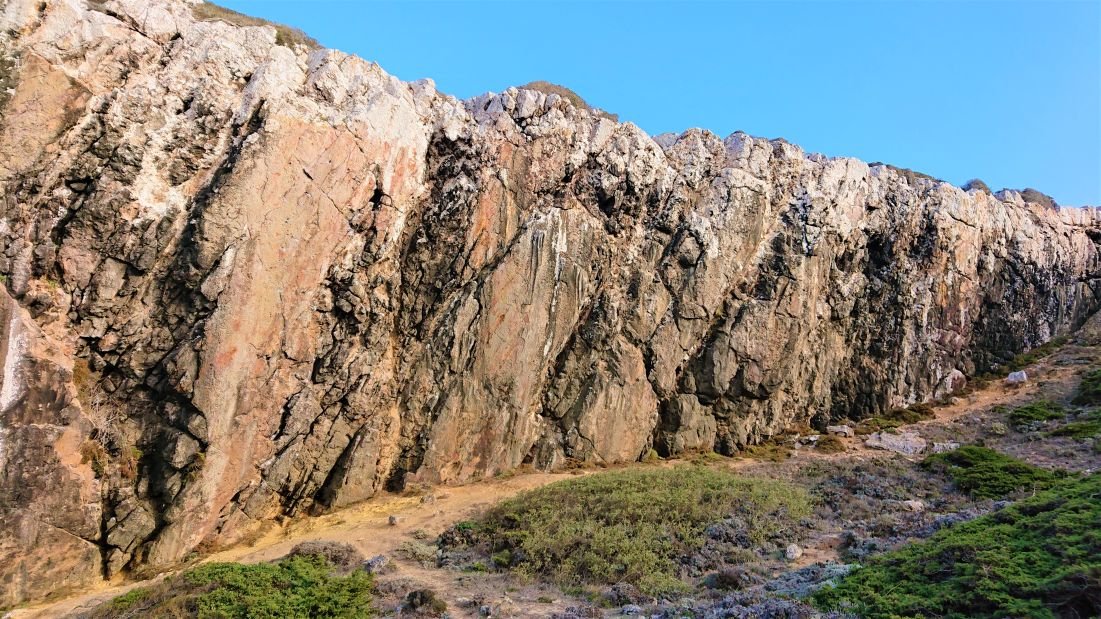
Sagres sits at the southwestern tip of Portugal, at Cape St. Vincent — the place the ancients believed was the edge of the world. The climbing here is genuinely world-class: 18km of vertical limestone sea cliffs, 600+ routes from sport 6a to trad E3, stunning Atlantic views, and some of the best Deep Water Soloing (DWS) in Europe.
The rock is steep, the positions are spectacular, and the atmosphere is unlike anywhere else. You’re climbing above the crashing Atlantic, on the cliffs that launched the Age of Discovery, at the place where Europe ends and the ocean begins.
Important note: This guide documents the climbing at Sagres because it exists, because it’s world-class, and because hundreds of climbers continue to visit despite the prohibition. We are not encouraging you to break the law. We are providing accurate information so you can make an informed decision.
Quick Facts: Sagres Climbing
| Quick Facts – Sagres Climbing Guide (Cape St. Vincent, Algarve) | |
|---|---|
| 📍 Location | Sagres, Cape St. Vincent — Southwestern tip of Portugal, Algarve region. 18km of limestone sea cliffs along the Atlantic coast. The most southwestern point of mainland Europe. Access from the town of Sagres or Lagos. |
| ⚖️ LEGAL STATUS | CLIMBING IS OFFICIALLY PROHIBITED — Part of Southwest Alentejo and Vicentine Coast Natural Park (PNSACV). 20-year dispute between climbers and park authorities. Baleeira sector is most tolerated. Climb at your own legal risk. See full warning above. |
| 🅿️ Main Parking | Sagres town — Multiple parking areas in town, free and pay. Walk or drive to specific sectors. Cape St. Vincent lighthouse — Free parking (fills quickly at sunset). Baleeira harbour — Parking near the harbour for Baleeira sector. GPS varies by sector — see sector details below. |
| 🧗 Main Climbing Sectors |
Armação Nova — ~40 routes, 6a–7c, spectacular bay setting, abseil access. Corgas — Hardest routes, 6b–9a (Portugal’s first 9a!), wave-shaped overhang. Baleeira — Sport & trad, “most tolerated sector,” less ranger activity. Fortaleza — Trad routes, HVS–E3, abseil access, established by British climbers. Parede das Riscas — Sport routes, good quality limestone. DWS areas: Ingrina, Ponta Garcia — World-class Deep Water Soloing. 9 total sectors along the coast. |
| 🪨 Rock Type | Steep limestone sea cliffs — Vertical to overhanging walls. Lots of formations: tufas, pockets, crimps, slopers. Good quality limestone. Maritime location = corrosion risk on older bolts (most routes recently rebolted with titanium via “Titan Project” — support this!). |
| 🏘️ Nearest Towns | Sagres (~0-6km depending on sector) — Small surf town, supermarkets, cafés, accommodation. Laid-back vibe, popular with surfers and climbers despite prohibition. Lagos (~30km, 30-min drive) — Larger town, excellent facilities, more accommodation options, surf shops, gear shops. Perfect base for Sagres climbing. |
| 🧗 Climbing Style | Sport climbing (bolted routes) — Main focus. Trad climbing — British-established routes at Fortaleza and Baleeira (HVS–E3). Deep Water Soloing (DWS) — World-class at Ingrina and Ponta Garcia. Abseil access — Most routes require abseiling into position from cliff top. Tidal considerations — Some routes wave-washed at high tide or rough seas. Belayers may get wet! |
| 📈 Grade Range | Sport: 6a–9a. Trad: HVS–E3. Entry level is 6a sport (some easier routes exist but limited). Sweet spot: 6a–7b. Hardest route: 9a at Corgas (Portugal’s first 9a). Good spread across grades but this is not a beginner venue. |
| 📊 Total Routes | 600+ routes across 9 sectors along 18km of coastline. Mix of sport, trad, and DWS. Armação Nova ~40 routes. Corgas ~30 routes. Many more across other sectors. |
| 🥾 Approach | Varies by sector — Some sectors: short walk from parking + abseil descent (10–30m abseils). Other sectors: longer coastal path approach. Abseil skills essential for most routes. Tide awareness critical — some areas only accessible 3 hours either side of low tide. |
| 🎒 Essential Gear | Sport rack: 12–15 quickdraws, 60m rope (check specific routes — some need longer). Abseil gear: Abseil device, prusik, spare slings. Trad rack (for trad routes): Full set nuts, cams to #3, long slings. Helmet — Mandatory (sea cliffs, other parties above). Approach shoes — Rocky coastal paths. Waterproof bag — Belayers may get wet from spray! |
| ☀️ Best Seasons | Year-round climbing possible! Spring (Mar–May): ⭐⭐⭐⭐⭐ Perfect temps, stable weather, brilliant conditions. Summer (Jun–Sep): ⭐⭐⭐⭐ Hot but manageable, evening sessions work well, busiest season. Autumn (Oct–Nov): ⭐⭐⭐⭐⭐ Excellent conditions, quieter, still warm. Winter (Dec–Feb): ⭐⭐⭐ Climbable but storms can limit access. Bring wetsuit for DWS! |
| 🚐 Van Parking Rating | ⭐⭐⭐⭐ (Good with planning). Sagres is very van-friendly — surf town with lots of vans year-round. Orbitur Sagres Campsite — Official campsite 2km north of town, 1000 pitches, €15–25/night. Free parking: Various spots around Sagres and Cape St. Vincent (use Free/Wild Camping — Various spots around Sagres used by van lifers. Use park4night app). Wild camping: Tolerated in certain areas but be discreet. Lagos has more facilities but 30-min drive to crags. |
| 👶 Beginner-Friendly? | ⭐⭐ (NO — intermediate+). This is serious sea-cliff climbing with abseil access, tidal considerations, and steep routes starting at 6a. Not suitable for beginners unless with experienced guide. Better beginner options: Rocha da Pena (inland, bolted, easier grades), Bensafrim near Lagos (beginner-specific crag). |
| 👥 Crowds | ⭐⭐⭐ (Moderate). Despite prohibition, Sagres remains popular with international climbers. Summer weekends can be busy. Weekdays quieter. Baleeira sees most activity (most tolerated). Remote sectors often empty. February 2025 anecdote: “Usually not controlled by rangers” suggests ongoing activity despite prohibition. |
| 📶 Cell Coverage | ⭐⭐⭐ (Variable). Generally OK in Sagres town and near Cape St. Vincent lighthouse. Can be patchy on remote cliff sections. Download topos and maps before heading out. Emergency services accessible but response to cliff accidents takes time. |
| 📖 Guidebooks |
Portugal Rock Climbing Guidebook (Rockfax) — Covers Sagres + Rocha da Pena + DWS routes. Deep Water Soloing (Rockfax) — Dedicated DWS guide, includes Sagres sections. Available at Climb Europe. Note: Guidebooks don’t mention prohibition — they were published before the feud intensified. Legal situation is recent development. |
| 🛒 Supplies | Sagres — Small supermarkets (Minipreço, Intermarché), cafés, restaurants, surf shops. Lagos — Larger supermarkets (Continente, Pingo Doce), gear shops, more variety. Stock up in Lagos if doing multi-day trip. |
| 💰 Daily Budget | €30–50/day (van cooking, campsite). Eating out €10–15/meal in Sagres. Campsite €15–25/night. Lagos slightly more expensive. Fuel for 30km Lagos–Sagres commute adds up if doing multiple days. |
| 🚗 Van Access | Excellent. Main roads to Sagres (N268, N125) are standard width, well-maintained. All parking areas accessible by standard van. No challenging access. Sagres is very van-friendly surf town — vans everywhere year-round. |
Many Sagres routes have been recently rebolted with titanium glue-ins via the Portuguese “Titan Project” (climbingpt.com/titan-project).
Why this matters: Maritime environment = rapid corrosion of steel bolts. Old bolts at Sagres were becoming dangerous. The Titan Project volunteers replaced hundreds of bolts with corrosion-resistant titanium to keep routes safe.
Support them: Donate to the project if you climb here. The volunteers are maintaining routes despite the prohibition — they deserve community support.
Sectors rebolted: Parede Pequena at Armação Nova, Foz dos Fornos, Corgas sector (mostly complete as of 2024).
Why Climb at Sagres? (Despite the Legal Issues)
Let’s be honest: the prohibition is a massive issue. It hangs over everything. But climbers continue to visit Sagres for good reasons:
What Makes Sagres Exceptional
- World-Class Sea-Cliff Climbing — 18km of vertical limestone above the Atlantic. Genuinely spectacular positions.
- The Setting — Cape St. Vincent, the “edge of the world.” Historic, dramatic, unforgettable.
- Quality Limestone — Steep walls with tufas, pockets, crimps, slopers. Varied, technical climbing.
- Deep Water Soloing — Ingrina and Ponta Garcia are world-class DWS venues. Safe falling areas (at the right tide), excellent routes.
- The Atmosphere — Climbing above the crashing Atlantic, seabirds below, endless ocean views. Proper adventure climbing.
- Variety — 600+ routes from 6a sport to E3 trad to DWS. Multiple sectors, different styles.
- Year-Round Conditions — Mild Algarve climate makes Sagres climbable 12 months/year.
- Surf Town Vibe — Sagres is brilliant base town. Laid-back, van-friendly, great food, beautiful beaches.
Honest Limitations
- THE PROHIBITION — Cannot be overstated. You are climbing illegally. Rangers can and do approach climbers. Legal risk is real.
- Abseil Access — Most routes require abseiling from cliff top. Not beginner-friendly. Rope management skills essential.
- Tidal Considerations — Some routes only accessible 3hrs either side of low tide. Planning required. Belayers get wet in rough seas.
- Maritime Corrosion — Despite Titan Project rebolting, always check bolt quality. Salt air degrades steel fast.
- No Easy Routes — Entry level is 6a. If you’re not solid at this grade, this isn’t your venue.
- Commitment — These are serious sea cliffs. Escape options limited once you’ve abseiled in. Respect the environment.
- Ethical Dilemma — Climbing here means ignoring Natural Park regulations. Only you can decide if that’s acceptable.
600+
Routes across 9 sectors
6a–9a
Sport climbing range
18km
Limestone sea cliffs
⚠️ Illegal
Climb at own risk
The Legal Situation — Full Context
You deserve to understand the complete picture before deciding whether to climb here.
The 20-Year Feud
Sagres climbing has existed since British climbers established trad routes in the 1980s/90s. Sport climbing developed through the 2000s. By 2010, Sagres was an established international destination with hundreds of routes.
Then around 2011, the Southwest Alentejo and Vicentine Coast Natural Park (PNSACV) officially banned climbing in the park area — which includes all Sagres sea cliffs.
The park’s position: Climbing disturbs nesting seabirds, damages fragile cliff vegetation, and conflicts with conservation goals.
The climbing community’s position: Climbing has coexisted with the ecosystem for decades without documented harm. The ban ignores established use and destroys a cultural resource.
Current status (February 2025): No resolution. Enforcement is inconsistent. The climbing community continues to advocate for legal access. Some climbers continue to climb despite the ban.
What Actually Happens on the Ground?
According to our February 2025 contact with the local climbing club:
- Technically forbidden — The prohibition is real and enforceable
- Inconsistent enforcement — Park rangers patrol but don’t constantly monitor all sectors
- Baleeira sector “usually not controlled” — This sector sees less ranger activity and is the most tolerated
- “Play dumb and be nice” — If approached by rangers, the strategy is to feign ignorance and be polite. Rangers often let climbers off with a warning.
- No recent serious fines reported — As of early 2025, we haven’t heard of major fines or arrests, but this could change
- Ongoing climbing activity — International climbers continue to visit. Guidebooks still sold. Routes still maintained by volunteers.
Our Position
We document Sagres because:
- It’s a world-class climbing destination with established infrastructure
- Climbers will continue to visit regardless of whether guides exist
- Accurate information helps climbers make informed, responsible decisions
- Transparency about the legal situation is essential
But we are clear: Climbing at Sagres means breaking Natural Park regulations. We cannot recommend this. The decision is yours, but understand the legal risk.
Consider Alternatives
Portugal has excellent legal climbing options:
- Rocha da Pena — 1 hour inland from Sagres. ~100 routes, 4c–8a, excellent limestone, fully legal. Perfect alternative.
- Lisbon area crags — Multiple sectors, sport and trad, fully legal, easy access.
If the legal risk bothers you — climb these instead. They’re brilliant and you won’t risk fines or confrontation with rangers.
The Climbing — Sector Breakdown
Assuming you’ve decided to climb here despite the prohibition, here’s what you need to know:
Armação Nova
Routes: ~40 routes. Grades: 6a–7c (some 2-pitch routes). Rock: Steep limestone. Access: Abseil into beautiful bay. Character: Spectacular setting, good variety, popular sector.
Notable: “Parede Pequena” subsector recently rebolted with titanium (Titan Project). This is one of the most scenic sectors — climbing in a stunning bay with turquoise water below.
Tidal note: Non-tidal for most routes but belayers may get wet in moderate seas.
Corgas
Routes: ~30 routes. Grades: 6b–9a. Rock: Wave-shaped overhang, steep. Character: The hardest sector at Sagres. Portugal’s first 9a is here!
Features: Lots of varied holds — tufas, pockets, crimps, slopers. Technical, physical climbing on excellent limestone.
Best for: Strong climbers (7a+ upwards). This is where you go to get pumped.
Rebolting: Recently rebolted with titanium via Titan Project. Safe, modern bolts.
Baleeira
Routes: Mix of sport and trad. Grades: Variable. Access: Abseil. Character: Mix of British trad routes and sport lines.
CRITICAL: This is the “usually not controlled by rangers” sector according to local knowledge (Feb 2025). If you’re choosing where to climb, Baleeira is the safest bet for avoiding ranger contact.
Note: Still technically illegal, just less actively patrolled.
Fortaleza
Routes: Trad routes. Grades: HVS–E3. Access: Abseil. Character: British-established traditional climbing on steep limestone.
Best for: Trad climbers. These are serious routes requiring full trad rack and solid gear skills.
Note: Named after nearby Sagres Fortress (historic landmark worth visiting even if you don’t climb).
Parede das Riscas
Routes: Sport routes. Rock: Good quality limestone. Character: Less documented than Armação Nova/Corgas but quality climbing.
Best for: Exploring beyond the main sectors. Worth checking out if other areas are busy.
Deep Water Soloing (DWS) — Ingrina & Ponta Garcia
Ingrina: Perfect DWS introduction. Good quality routes, safe falling areas, beginner-friendly (for DWS). Ponta Garcia: Premier DWS crag. Excellent routes, good rock quality. Access: Slightly more difficult than Ingrina. Tidal note: CRITICAL for DWS. Large tidal range — some routes only climbable at high spring tides. Check tide tables carefully!
What is DWS? Climbing without ropes above deep water. You fall into the sea when you come off. Requires: confidence in water, ability to swim, checking water depth, tide awareness.
Guidebook: Dedicated Rockfax DWS guide covers Sagres sections with detailed beta.
Legal status: Also prohibited (part of Natural Park). Same legal issues as roped climbing.
Approach & Access Notes
Most routes require abseil access from cliff top. Typical approach:
- Park at designated area (varies by sector)
- Walk along coastal path to sector (5–20 mins typically)
- Identify abseil point (often marked, check guidebook)
- Abseil 10–30m to climbing stance/belay ledge
- Climb routes from stance
- Prussik or jug back up abseil rope to cliff top (or climb out if route tops out)
Skills required: Confident abseiling, prussicking (or jumaring), rope management on sea cliffs, anchor building.
Tidal awareness: Some sectors are non-tidal. Others require checking tide tables. Guidebook specifies per sector. Rule of thumb: 3 hours either side of low tide is safe window for tidal sectors. Always check local tide tables.
Sagres is committing sea-cliff climbing. Things that can go wrong:
- Stuck below cliff — If you abseil in and can’t climb back out or prussik up, you’re in trouble. Always have exit plan.
- Rising tide — Can cut off access and make belayers’ positions untenable. Check tides religiously.
- Rough seas — Waves can drench belayers, spray can affect rope/gear. Monitor sea conditions.
- Bolt corrosion — Despite Titan Project rebolting, always check bolt quality. Maritime environment is harsh.
- Isolation — Some sectors are remote. Emergency rescue takes time. Self-rescue skills essential.
- Rangers — Being asked to leave mid-route adds stress. Have exit strategy if approached.
Recommendation: Don’t climb here unless you’re a competent sea-cliff climber or with experienced guide/partner. This is not the place to learn.
Practical Information
Where to Stay
Orbitur Sagres Campsite — Official campsite 2km north of Sagres town. ~1000 pitches, facilities include showers, laundry, small shop, café. €15–25/night for vans. GPS: 37.022737, -8.945693. Well-suited for climbing trips. Surf-friendly atmosphere.
Free/Wild Camping — Various spots around Sagres used by van lifers. Use park4night app to find current spots. Be discreet, respect area, pack out rubbish. Wild camping tolerance varies — don’t abuse it.
Lagos — 30km away, more campsite options, more facilities, but adds daily commute to crags.
Sagres Town Accommodation — Hostels, guesthouses, apartments available. Book ahead in summer (busy surf season).
Groceries & Supplies
- Sagres — Minipreço and Intermarché supermarkets. Adequate for basic supplies. Fresh fish available (fishing harbour!).
- Lagos — Continente and Pingo Doce supermarkets. Better variety, lower prices. Worth stocking up if doing multi-day trip.
- Gear — Surf shops in Sagres have some climbing basics. Proper climbing shop in Lagos. For full gear selection, go to Lisbon or order online.
Guidebooks — Where to Buy
Contact AMEA for Topos: geral@amea.pt We contacted AMEA before arriving and bought their topos directly—super cheap – and all proceeds support crag maintenance. They responded quickly and were incredibly helpful. What They Provided Detailed PDF topos for all sectors Recent updates on route conditions Access information for all sectors Notes on rebolting projects (like the Vaca trad sector) Sector-specific beta that apps simply don’t havePortugal Rock Climbing Guidebook — Covers Sagres + Rocha da Pena + DWS. Available at Climb Europe
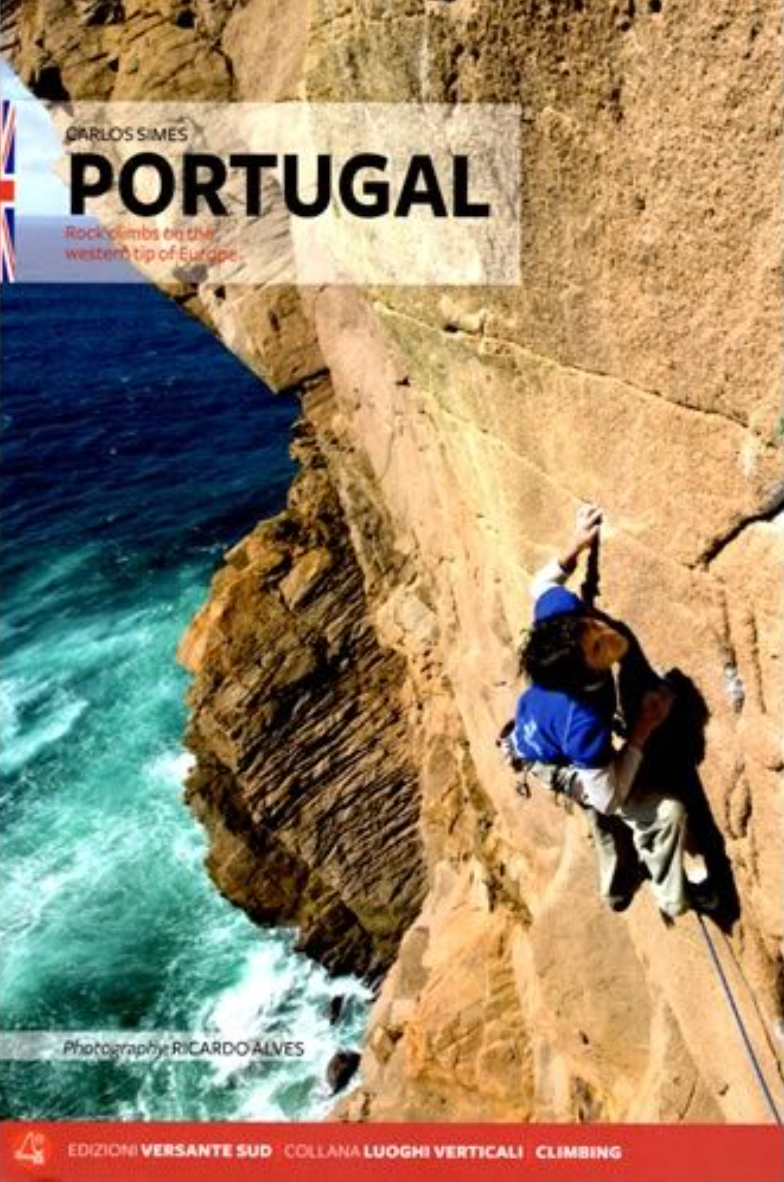
Deep Water Soloing (Rockfax) — Dedicated DWS guide covering Sagres. Essential if you’re doing DWS. Same stockists Deep Water Rockfax
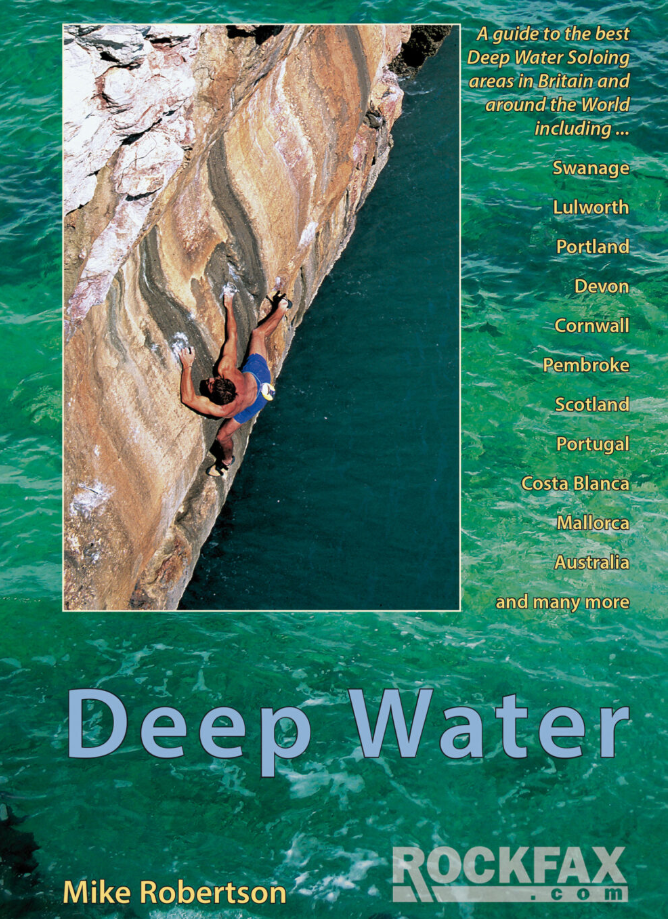
Note: These guidebooks don’t mention the climbing prohibition — they were published when access was less contentious. The routes and topos are accurate; the legal context has changed since publication.
Local Guides & Instruction
Several guiding companies operate in Sagres area:
- Climbing Algarve — climbingalgarve.pt — Certified instructors, sessions at Sagres and Rocha da Pena
- Algarve Sea Adventures — algarve-sea-adventures.com — Climbing + coasteering + surf
- Extreme Algarve — extremealgarve.com — Multi-sport adventure company
Legal note: These companies operate commercially at Sagres. Their legal status re: the prohibition is unclear. Presumably they have arrangements with authorities or accept the legal risk as part of business model. If hiring a guide, ask about current legal situation.
Best Seasons Detail
Spring (March–May): ⭐⭐⭐⭐⭐ IDEAL. Perfect temps (18–25°C), stable weather, long days, less crowded than summer. Brilliant conditions. DWS comfortable with wetsuit.
Summer (June–September): ⭐⭐⭐⭐ HOT. Peak season (25–30°C+). Can be too hot midday — climb morning/evening. Busy with tourists. Sea is warm — great for DWS without wetsuit. Evening climbing sessions are magic (sunset over Atlantic).
Autumn (October–November): ⭐⭐⭐⭐⭐ EXCELLENT. Still warm (20–25°C), less crowded, stable weather. One of the best times for Sagres. DWS still pleasant with wetsuit.
Winter (December–February): ⭐⭐⭐ VARIABLE. Climbable but weather-dependent (15–20°C, can be cooler with wind). Atlantic storms can shut down access for days. DWS requires thick wetsuit. Quietest season — if you get good weather window, you’ll have the cliffs to yourself. Check forecast carefully.
Daily Budget
Budget (cooking in van, campsite): €30–40/day
- Campsite: €15–25/night
- Food (cooking): €10–15/day
- Fuel (if commuting from Lagos): €5/day
Mid-range (occasional eating out): €50–70/day
- Accommodation upgrade or meals out (€10–15/meal)
- Beers in Sagres (€2.50–4 each)
Top expenses: Guidebooks (€25–30 each), guide hire (€150–250/day for private guiding), campsite, eating out
What We Loved Most (And What Frustrated Us)
The Brilliant Bits
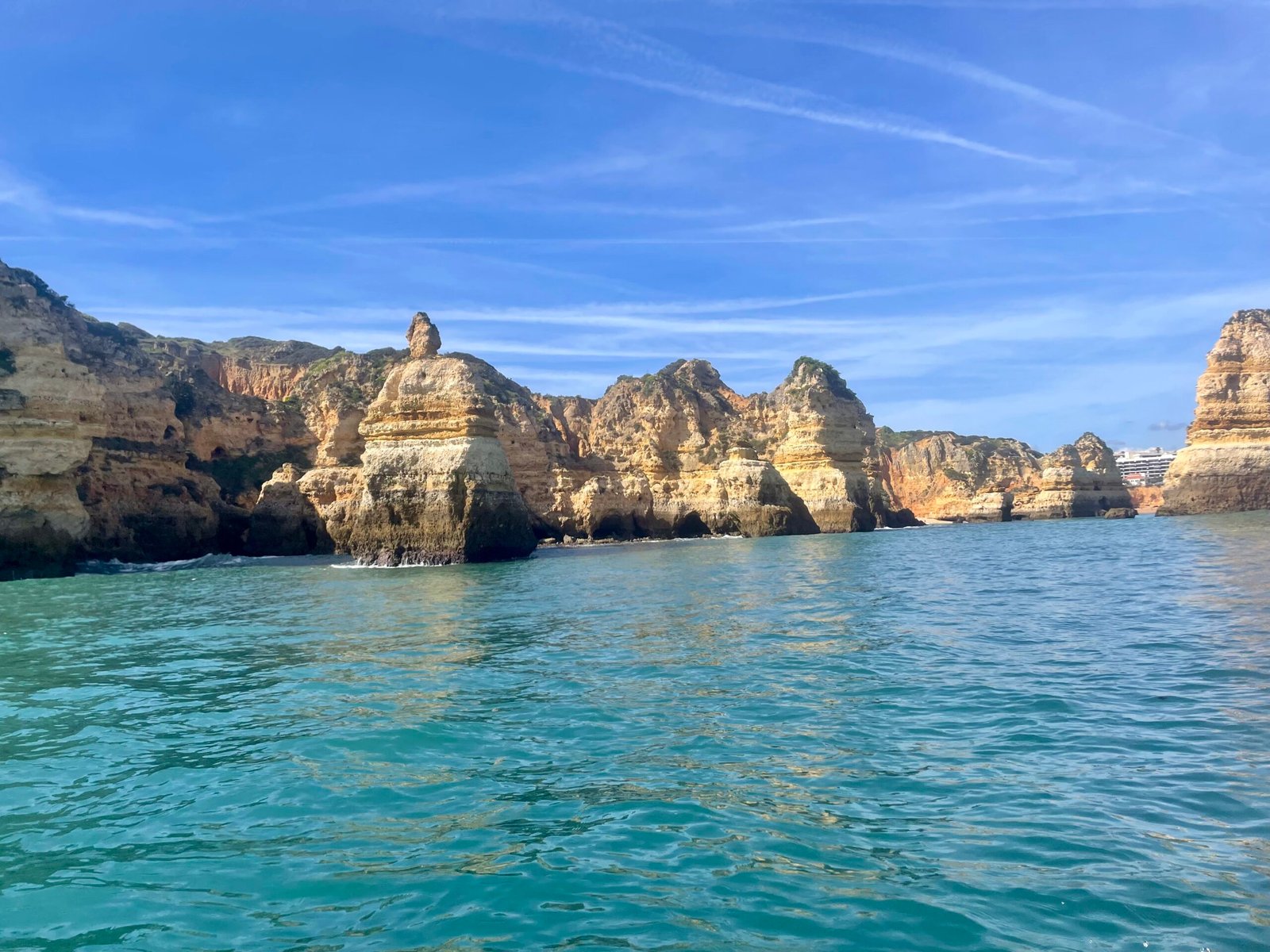
The positions. Climbing above the Atlantic at the edge of Europe is genuinely special. The exposure, the views, the seabirds — it’s unforgettable.
The limestone quality. When you’re on good Sagres limestone with bomber titanium bolts (thank you Titan Project!), the climbing is world-class. Steep, technical, varied.
The DWS. If you’ve never tried Deep Water Soloing, Sagres is a brilliant place to start (Ingrina). It’s exhilarating and terrifying in equal measure.
Sagres town. The laid-back surf vibe, the fresh fish, the brilliant sunsets, the van-friendly atmosphere. It’s a lovely place to base yourself.
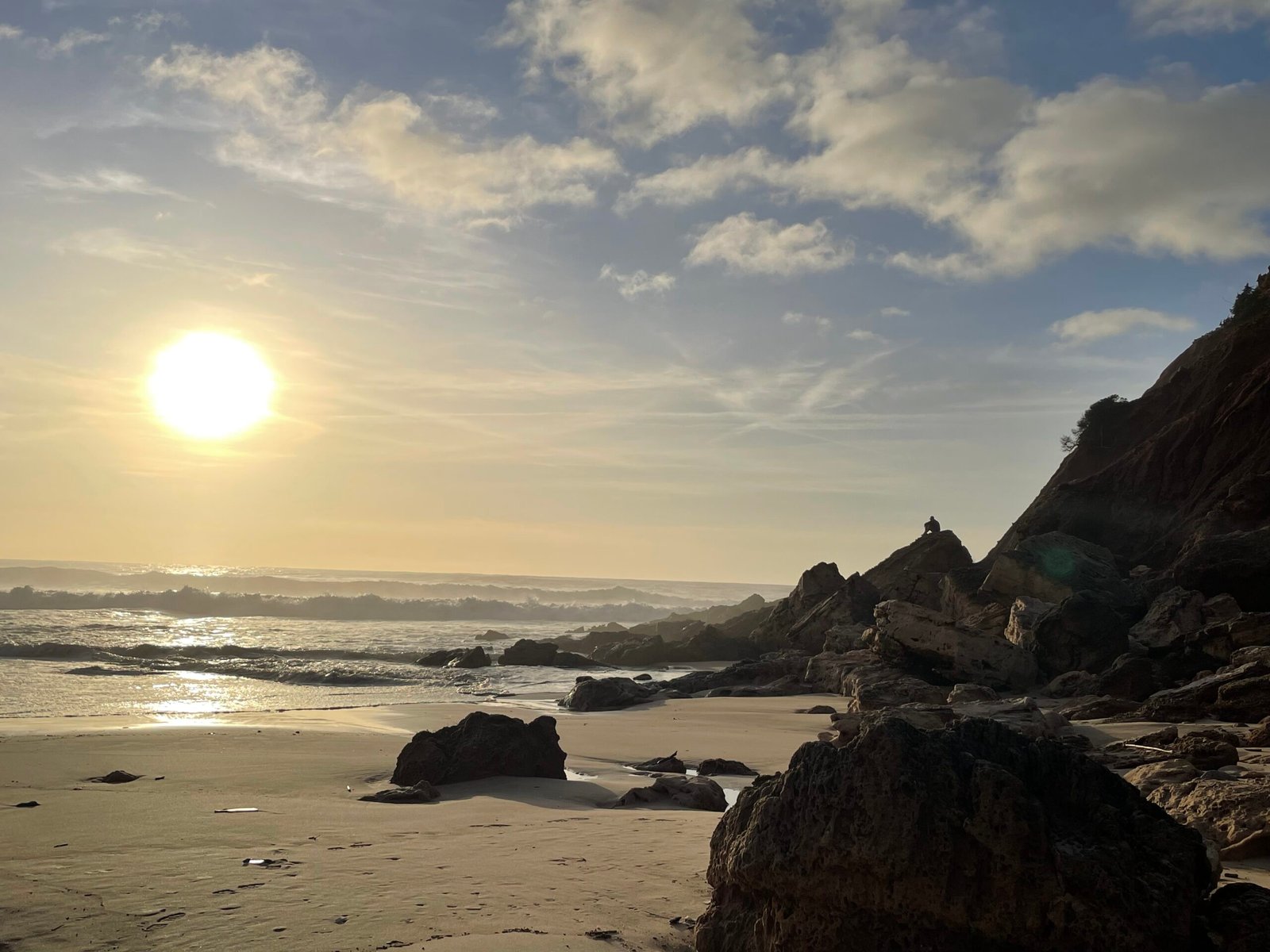
Cape St. Vincent. Even if you don’t climb, visit the cape. Watch the sunset at the “edge of the world.” It’s powerful.
The Frustrations
The prohibition. Obviously. Climbing under threat of ranger intervention adds stress. We climbed with one eye on the cliff top the whole time.
The ethical dilemma. We believe in respecting Natural Park regulations. But we also believe climbing and conservation can coexist. Sagres puts these values in conflict. Uncomfortable.
The uncertainty. Will rangers turn up? Will the enforcement tighten? Will access be negotiated? Nobody knows. Makes planning difficult.
The waste of potential. Sagres could be a flagship European climbing destination with proper management. Instead it’s mired in 20-year dispute. Frustrating for everyone.
Final Thoughts — Should You Climb Here?
This is the question, isn’t it?
Sagres is world-class. The climbing is brilliant. The setting is spectacular. The Algarve is beautiful. If the prohibition didn’t exist, we’d recommend Sagres unreservedly.
But the prohibition does exist. And we can’t in good conscience tell you to ignore it.
Our honest take:
- If you’re uncomfortable breaking rules — climb Rocha da Pena instead. It’s legal, it’s excellent, it’s an hour away. Problem solved.
- If you’re willing to accept the legal risk — understand what you’re getting into. Baleeira is the “safest” sector. Be respectful if approached by rangers. Support the Titan Project. Don’t abuse the privilege.
- If you’re on the fence — visit Sagres to see Cape St. Vincent and enjoy the town, but do your climbing at legal venues. You’ll sleep better.
What we hope for: Resolution of the feud. Legal climbing access with proper management plan that protects both the ecosystem and the cultural resource. Sagres deserves better than this stalemate.
Until then — the decision is yours. We’ve given you all the information. Climb legally or climb at your own risk. But make it an informed choice.
600+
World-class routes
18km
Limestone sea cliffs
20 years
Unresolved feud
Your call
Choose wisely
Frequently Asked Questions
Will I actually get fined if I climb at Sagres?
Possibly, but unlikely based on current evidence. As of February 2025, we haven’t heard of serious fines or arrests. Park rangers do patrol and can approach climbers. The typical outcome is being asked to leave. The strategy recommended by local climbers is to “play dumb and be nice” — feign ignorance of the prohibition and be polite. Rangers often let climbers off with a warning.
However: This could change. Park policy could tighten. Enforcement could increase. There is no guarantee you won’t be fined. You are climbing at your own legal risk.
Baleeira sector is reportedly “usually not controlled by rangers” and sees the least enforcement. If you’re going to climb, that’s your best bet.
Why hasn’t the climbing community just stopped climbing there?
Because it’s world-class climbing on established routes. Sagres has 600+ routes developed over 30+ years. It’s an internationally recognized destination. Guidebooks exist. Infrastructure is in place. Climbers (rightly or wrongly) feel they have a claim to continued access.
The community perspective: Climbing has coexisted with the ecosystem for decades. The ban came suddenly around 2011 without consultation. No evidence of actual environmental damage from climbing. The prohibition feels arbitrary and unjust.
The park perspective: We’re tasked with conservation. Climbing conflicts with that mission. Rules are rules.
Reality: Neither side will budge. Climbers continue climbing. Park continues prohibiting. Stalemate persists.
Is Rocha da Pena really a good alternative?
Yes! Absolutely. Rocha da Pena is an excellent sport crag with ~100 routes (4c–8a) on beautiful limestone. It’s 1 hour inland from Sagres, fully legal, well-bolted, and offers excellent climbing at all grades.
What you lose vs Sagres: The sea-cliff atmosphere, the DWS, the dramatic Atlantic setting, the variety of 600+ routes.
What you gain: Legal peace of mind, no abseil access (easier logistics), more beginner-friendly grades, excellent rock quality, beautiful tabletop mountain setting.
Verdict: If the legal issue bothers you or if you want easier logistics — Rocha da Pena is brilliant. Do that instead. You won’t regret it.
Can I hire a guide to climb at Sagres?
Yes, guiding companies do operate at Sagres. Multiple operators advertise Sagres climbing trips. Their legal status re: the prohibition is unclear. They either have arrangements with park authorities, accept the legal risk as part of their business model, or fly under the radar.
If hiring a guide: Ask directly about the current legal situation and how they handle it. A reputable guide will be transparent about the prohibition and their approach.
Advantage of guides: They know which sectors are least patrolled, they handle all the logistics (abseil setup, tide timing, route selection), and they can deal with rangers if approached.
Companies to research: Climbing Algarve, Algarve Sea Adventures, Extreme Algarve.
What’s the Titan Project and should I support it?
The Titan Project (climbingpt.com/titan-project) is a volunteer effort to replace corroded steel bolts at Portuguese sea cliffs with corrosion-resistant titanium glue-ins.
Why it matters at Sagres: Maritime environment = rapid bolt corrosion. Old steel bolts were becoming unsafe. Titan Project volunteers have rebolted hundreds of routes (Armação Nova, Corgas, others) with bomber titanium bolts.
Should you support it? YES. These volunteers are maintaining routes despite the prohibition, at their own expense, for the benefit of the climbing community. Donate to the project if you climb on their rebolted routes.
How to support: Visit their website for donation details. Even €10–20 helps fund more rebolting.
Is Deep Water Soloing legal at Sagres?
No. Same prohibition applies. DWS areas (Ingrina, Ponta Garcia) are also within the Natural Park. Technically illegal. Same legal risk as roped climbing.
In practice: DWS is even harder to police than roped climbing (no fixed anchors, no visible gear). Enforcement is presumably even lighter. But legally it’s the same situation.
If doing DWS: Same advice applies. Understand the legal risk. Be respectful. Support the Titan Project (they rebolted approach anchors for DWS areas too).
Sagres Coastal Beta & Context
Keywords: Sagres Sea Cliff Sport • Atlantic Limestone Quality • Belixe Beach Access • Coastal Trad Climbing • Windy Crag Logistics • West Algarve Van Life • Sea Spray Bolt Corrosion • Ponto de Sagres Topos • Southwest Alentejo Access • Bird Protection Zones
📚 Helpful Climbing Resources
Essential guides, tips, and advice for your climbing adventures
🔧 Gear Lab
View all →
Black Diamond RockLock Review — Our Biggest, Toughest Locker
Read more →
Petzl Attache Review — The Most Versatile First Locker
Read more →🚐 Road Trip Essentials
View all →
10 Underrated European Sport Climbing Destinations (That We Actually Drove To)
Read more →
Van Life Electrical Setup 2026 — Our Exact Power System
Read more →📖 Climber's Handbook
View all →
Beginner Climbing Gear List 2026 – Everything You Need to Start Climbing Outdoors
Read more →