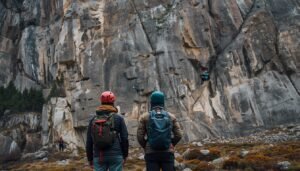
🇪🇸 Spain · 🇵🇹 Portugal · Winter Van Circuit
Winter Climbing Circuit: Spain & Portugal by Van
The exact route we drove chasing winter sun on rock — from the Pyrenees down through Spain, out to the Canaries, and back up the Portuguese coast. Every crag, every van spot, the honest logistics.
Every autumn the same question rolls around the van-climbing world: where do you actually go to chase winter sun on rock? The honest answer for most van climbers is winter climbing Spain Portugal — this is the circuit we drove, pick the six-week taster or run the full twelve-week season.
Why a winter circuit down here?
Winter climbing Spain Portugal — the Iberia sun-chase — is one of the few reliable answers to the question every van climber asks around November. While the rest of Europe is soaked and frozen, southern Spain and Portugal hand you dry rock, short sleeves in January, and van parking that mostly works. The mainland gives you limestone pockets, granite friction and steep conglomerate; the Algarve adds sea cliffs; and when a cold front does sweep the peninsula, a cheap flight to the Canaries keeps you climbing. It’s one of the few places in Europe you can genuinely string together three months of good conditions in a row.
We ran this as one continuous trip: France (Pyrenees) → Aragón → Madrid → Murcia → Andalucía → Tenerife (by flight) → the Algarve → Lisbon → back to France. For anyone new to the region, theCrag’s Spain database is a decent way to see how much rock this actually covers. Below it’s broken into a realistic route you can copy, shorten, or stretch.
The two ways to run it: 6 weeks vs 12 weeks
| The 6-week taster | The full 12-week season | |
|---|---|---|
| Best for | One winter block, limited time off | A full season on the road |
| Rough shape | Aragón → Madrid granite → one Murcia crag → El Chorro → cross to the Algarve → Lisbon | The complete route below, Tenerife flight included, plus the detours |
| Days per crag | 3–5, keep moving | 5–10, settle in and project |
| Tenerife? | Skip it — save the flight | Yes — it’s the storm-proof escape hatch |
| Detours | Pick one | Costa Blanca, central Portugal, Marvão — all in play |
Everything that follows is the twelve-week version. If you’re doing the taster, just take the stops in bold and shorten the stays.
The route — Pyrenees to Lisbon (tap a pin for photo, guide & Google Maps)
Tenerife sits far south in the Atlantic — pan down to find pin 7.
The route, stop by stop
1 Chodes / Morata de Jalón, Aragón — the warm-up hub
We dropped out of the Pyrenees and made Chodes our first proper base — and it’s the perfect one. A huge, quiet limestone gorge with 350+ routes across 29 sectors, an isolated gravel carpark you can have almost to yourself midweek, and a food truck under the olive trees that became our lunchtime ritual. We spent six days here dialling in multi-pitch on the Gran Placa before pushing south. Come self-sufficient — zero facilities — and you’ll get solitude most European crags can’t offer.
👉 Full Chodes climbing guide, GPS parking & topos
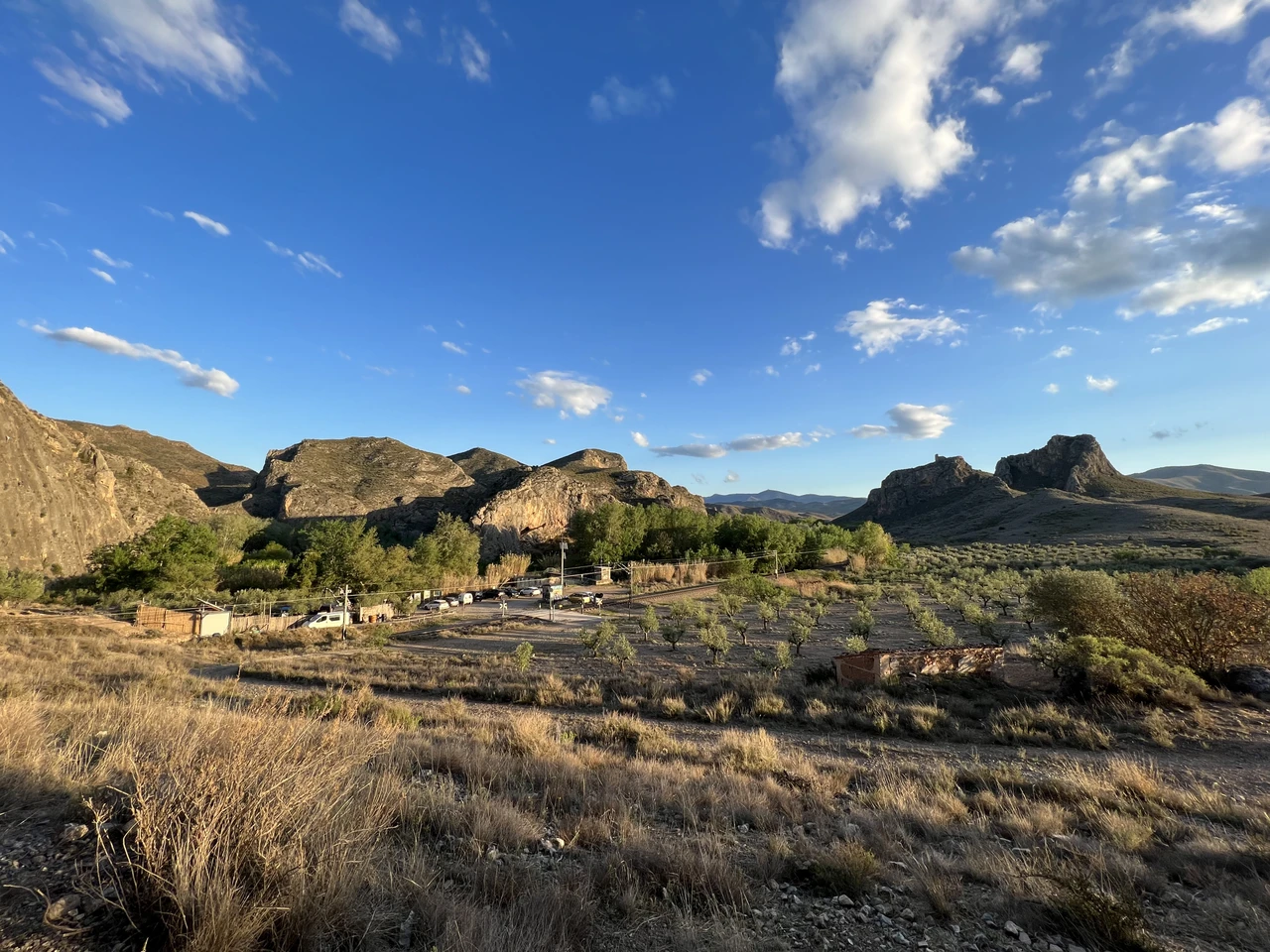
2 Valdemanco, Sierra de Guadarrama — granite near Madrid
A switch from limestone to solid Guadarrama granite an hour north of Madrid. Free official parking, welcoming locals, and quiet sport and multi-pitch on beautifully featured rock — we used it as a five-day practice ground and had whole sectors to ourselves. It pairs naturally with La Pedriza just down the road.
👉 Full Valdemanco climbing guide
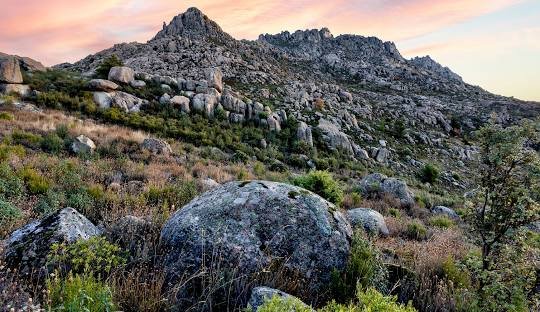
3 La Pedriza, Madrid — winter friction paradise
If any crag on this circuit is made for winter, it’s La Pedriza — a 3,000-route granite maze where cold, crisp January air gives the friction slabs maximum grip. We climbed La Tortuga, the iconic 250m turtle-shaped dome: one of the best days of the whole trip. The one catch is logistics — overnight parking is strictly forbidden inside the national park, so budget for a campsite in Manzanares el Real. Worth every euro.
👉 Full La Pedriza climbing guide, parking rules & La Tortuga beta
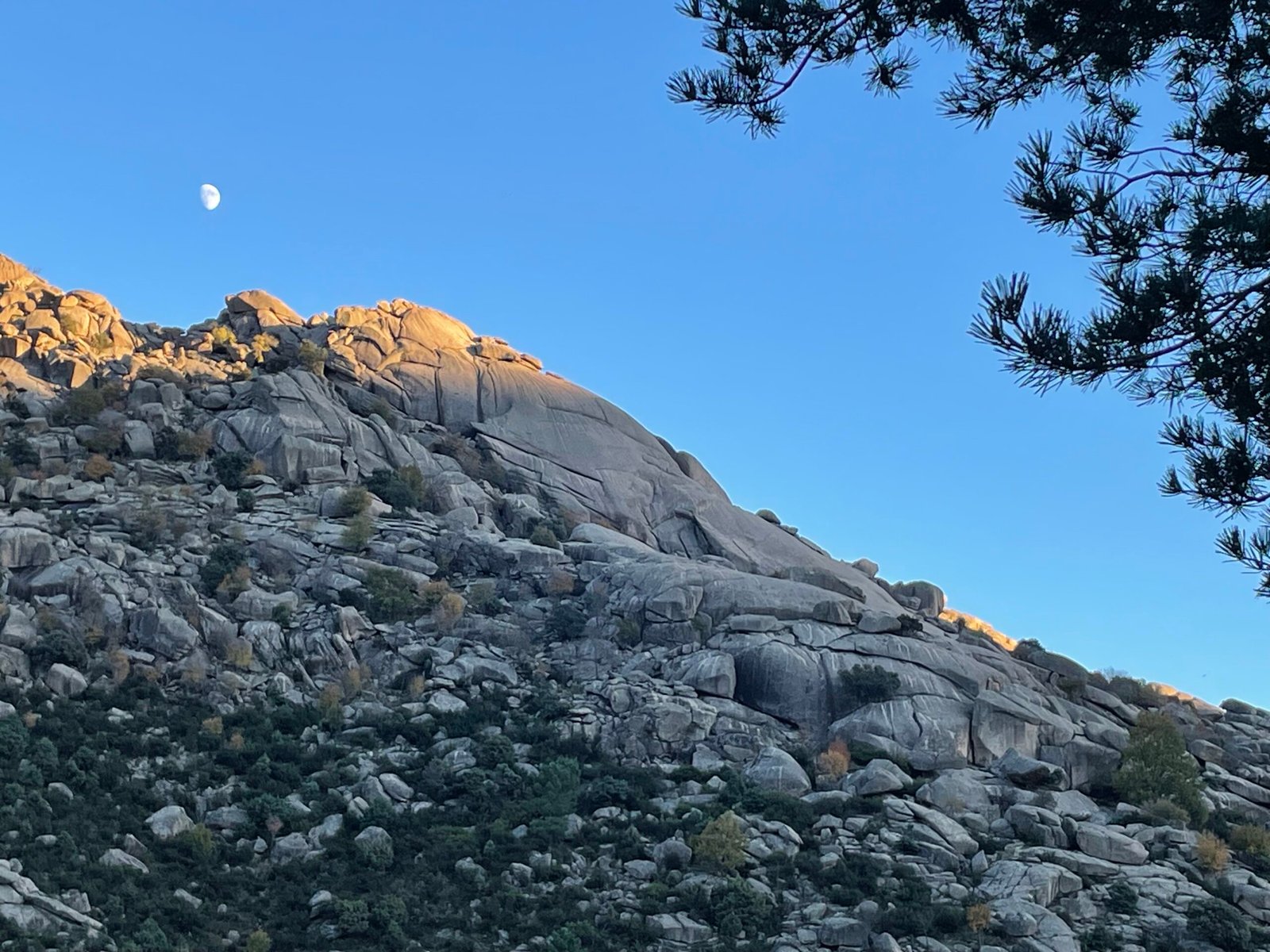
4 Mula, Murcia — steep & sun-soaked
South into Murcia and onto a kilometre-long, south-facing escarpment that bakes in winter sun. Mula is steep, powerful, pocket-pulling limestone — 900+ routes and so much cliff you’ll always find space. It’s windy up top (bring layers), but there’s a superb sheltered gravel spot ten minutes away to sleep. We were here in late January as the almond blossom broke across the valley below — one of the most beautiful things we’ve climbed above anywhere.
👉 Full Mula climbing guide & van parking
5 La Panocha (Cresta del Gallo), Murcia — the Corncob
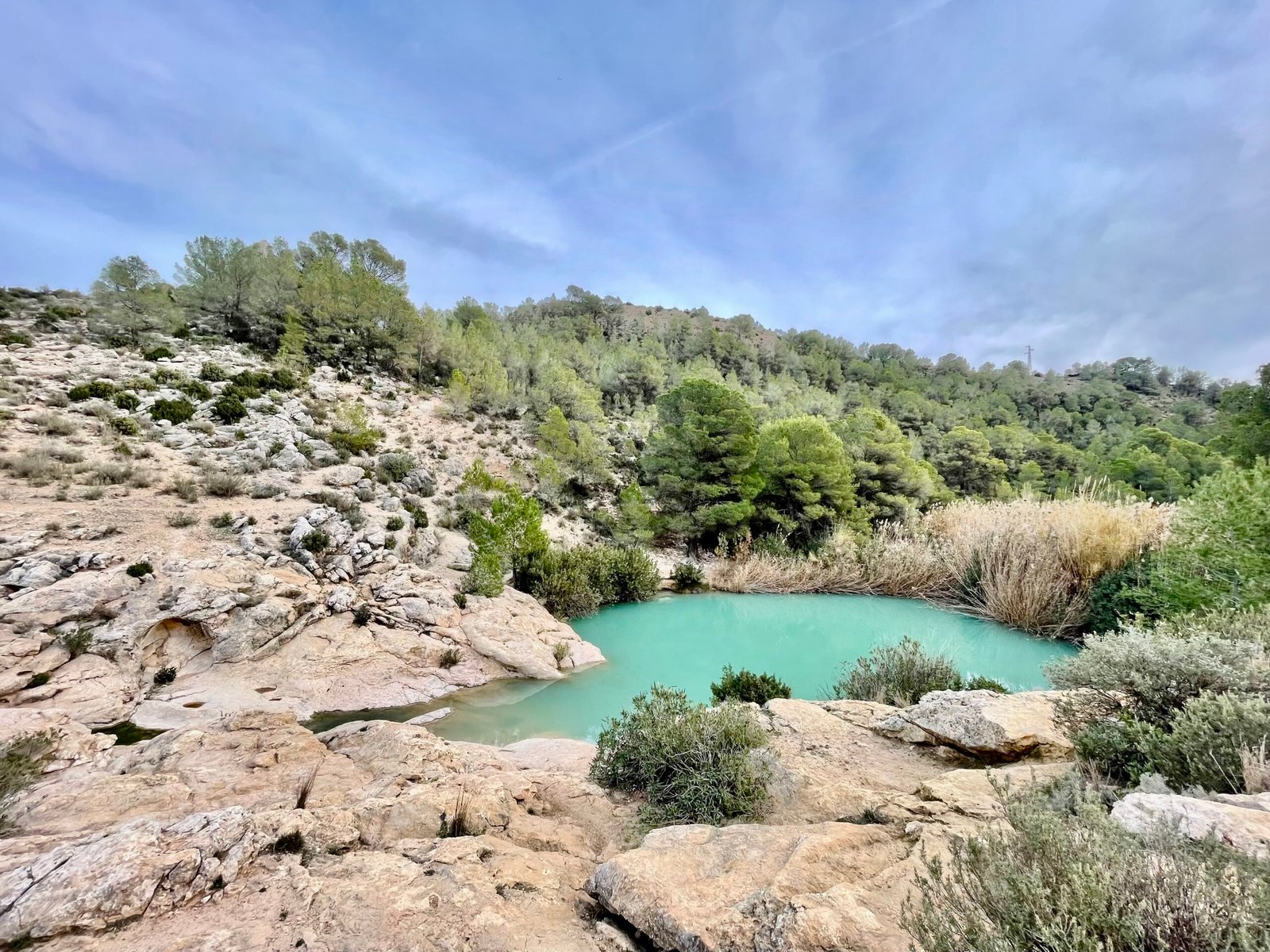
Minutes from Murcia city, the 55m “Corncob” monolith is a piece of Spanish climbing history — a natural monument since 1931, with polished classics and 360° ridge views out to the Mar Menor. The Paisaje Lunar sector is a genuinely welcoming beginner zone. It was the friendly locals here who sent us on to Mula, which sums up the Murcia scene: warm, generous, keen to share the good spots. (No camping inside the park — sleep outside the boundary.)
👉 Full La Panocha climbing guide
6 El Chorro, Málaga — the Andalucían classic
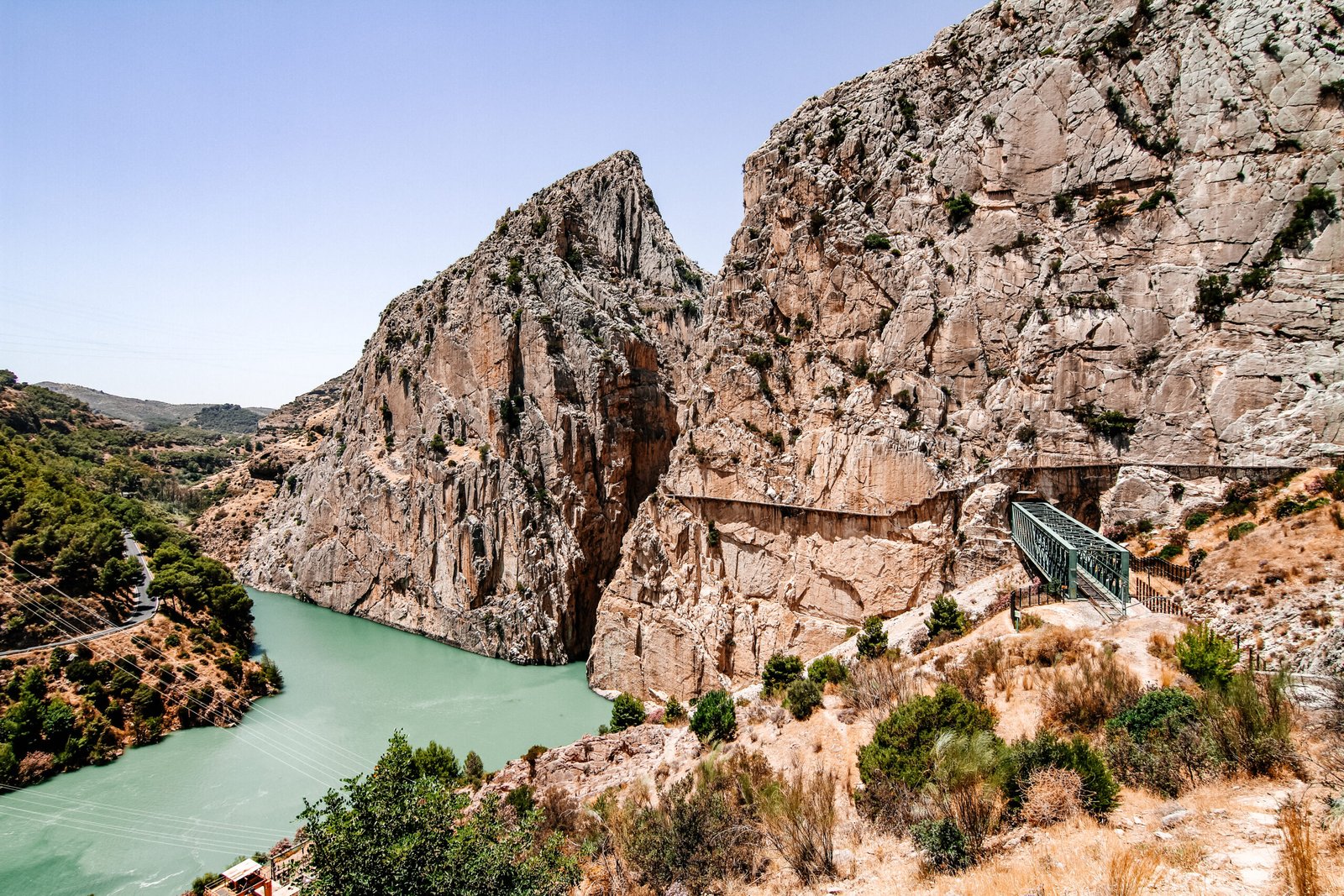
The circuit’s marquee stop. El Chorro is a full mountain experience: pocketed limestone across 20+ sectors, brilliant progression from 4a upward, and the Caminito del Rey walkway carved into the gorge for a rest-day that’s a highlight in itself. Climb in the morning, hike the Caminito in the afternoon, Andalucían sunset with a glass of wine. We stayed ten days and it felt just right.
👉 Full El Chorro climbing guide & Caminito del Rey
7 Tenerife — the storm-proof escape (by flight)
Here the circuit does something unusual: we parked the van and flew. When a cold front settles over the peninsula, the Canary Islands offer the most reliable climbing weather in Europe — volcanic rock, guaranteed sun, a completely different texture under your fingers. Treat Tenerife as a one- to two-week insurance policy against a bad mainland spell (skip it on the six-week taster).
👉 Full Tenerife climbing guide
8 Rocha da Pena, Algarve — into Portugal
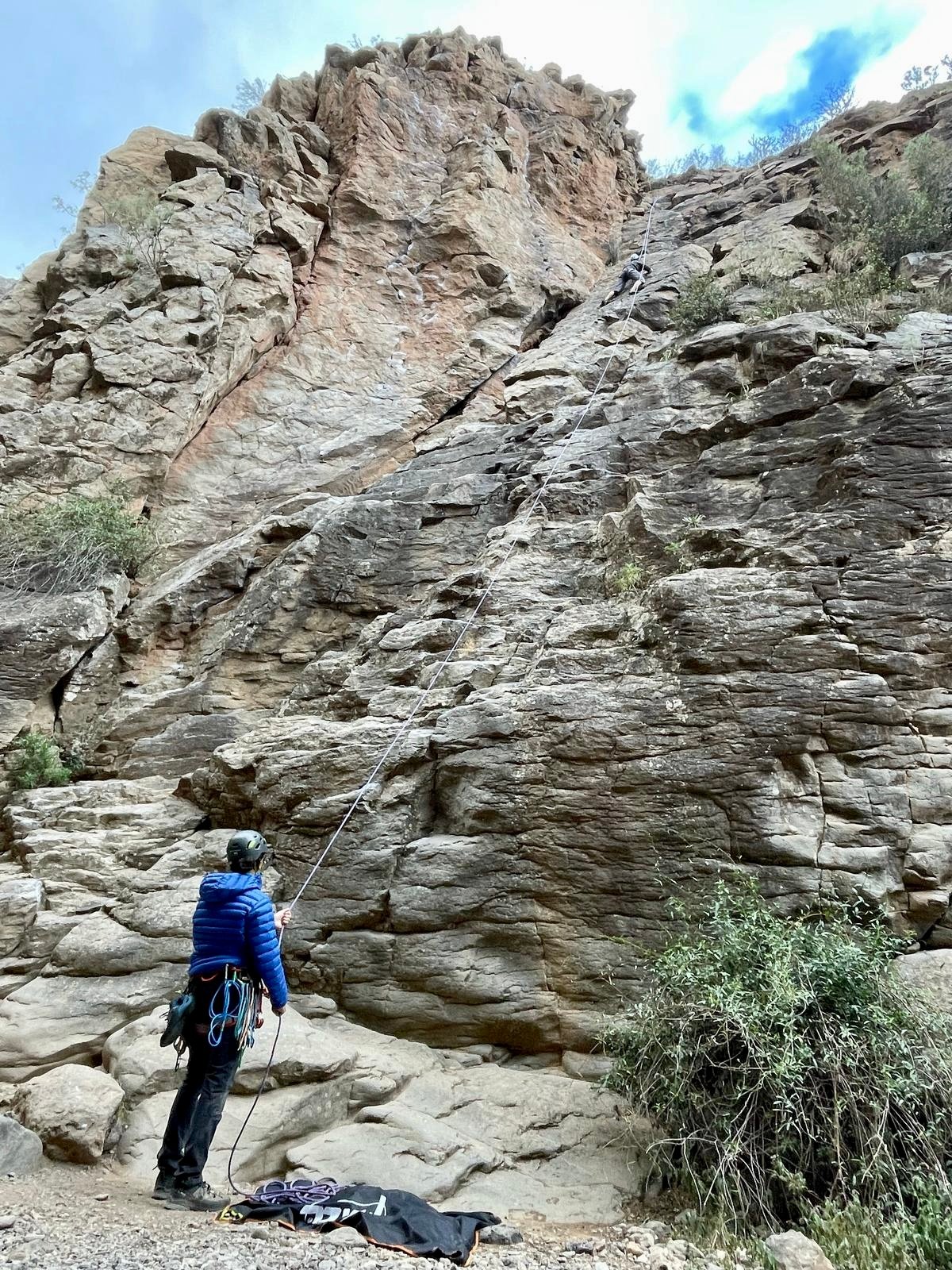
Back on the mainland and across into Portugal, Rocha da Pena is the peaceful inland answer to the crowded coast — a technical limestone ridge above the village of Pena with some of the best free van parking on the whole trip. We had it almost to ourselves in late February at a perfect 20°C. Contact the local club (AMEA) for €3 topos before you arrive; it directly funds the bolting. Around 3–5 days covers the grade range.
👉 Full Rocha da Pena climbing guide & topos
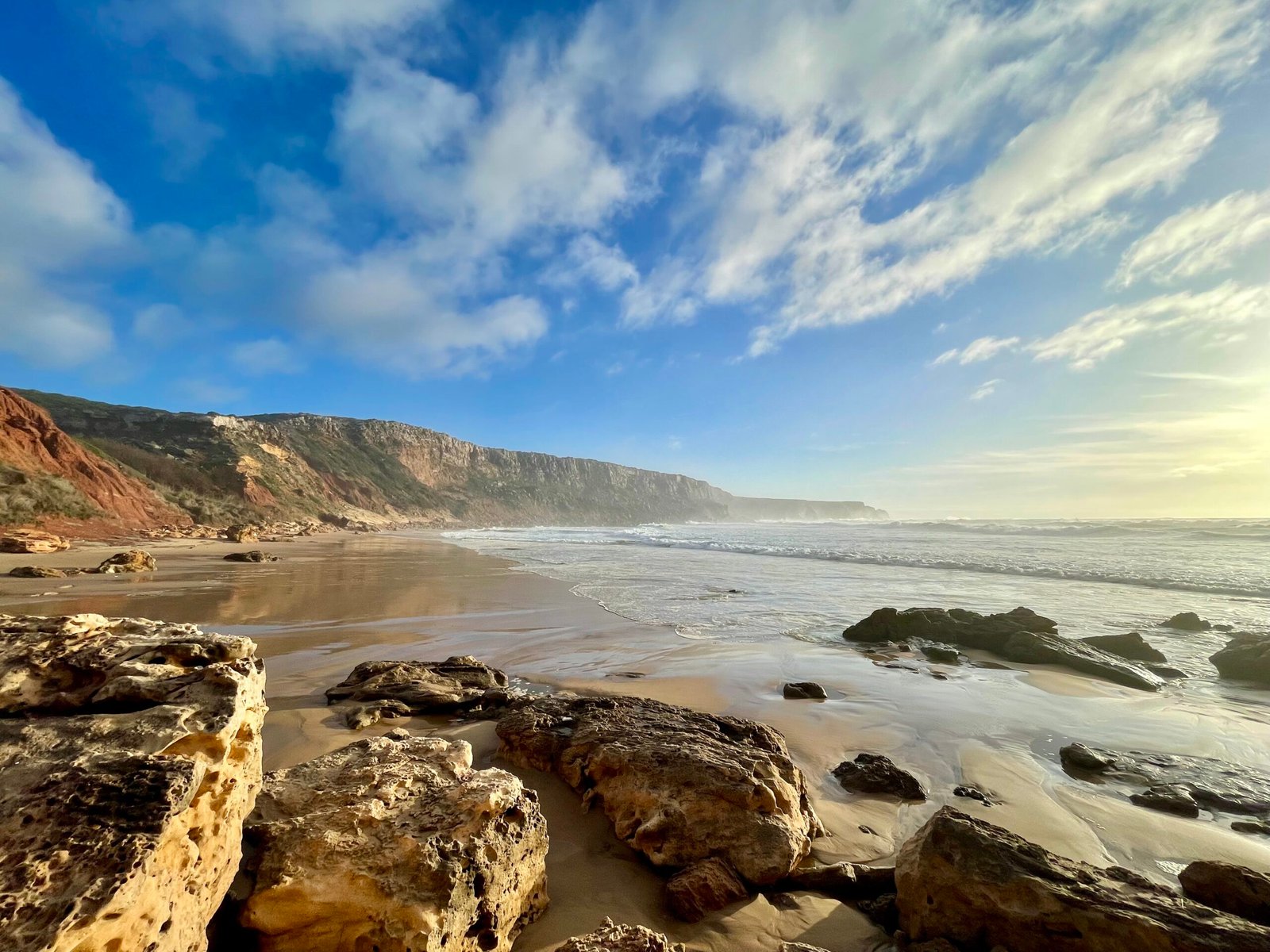
9 Sagres / Cape St. Vincent, Algarve — the edge of the world
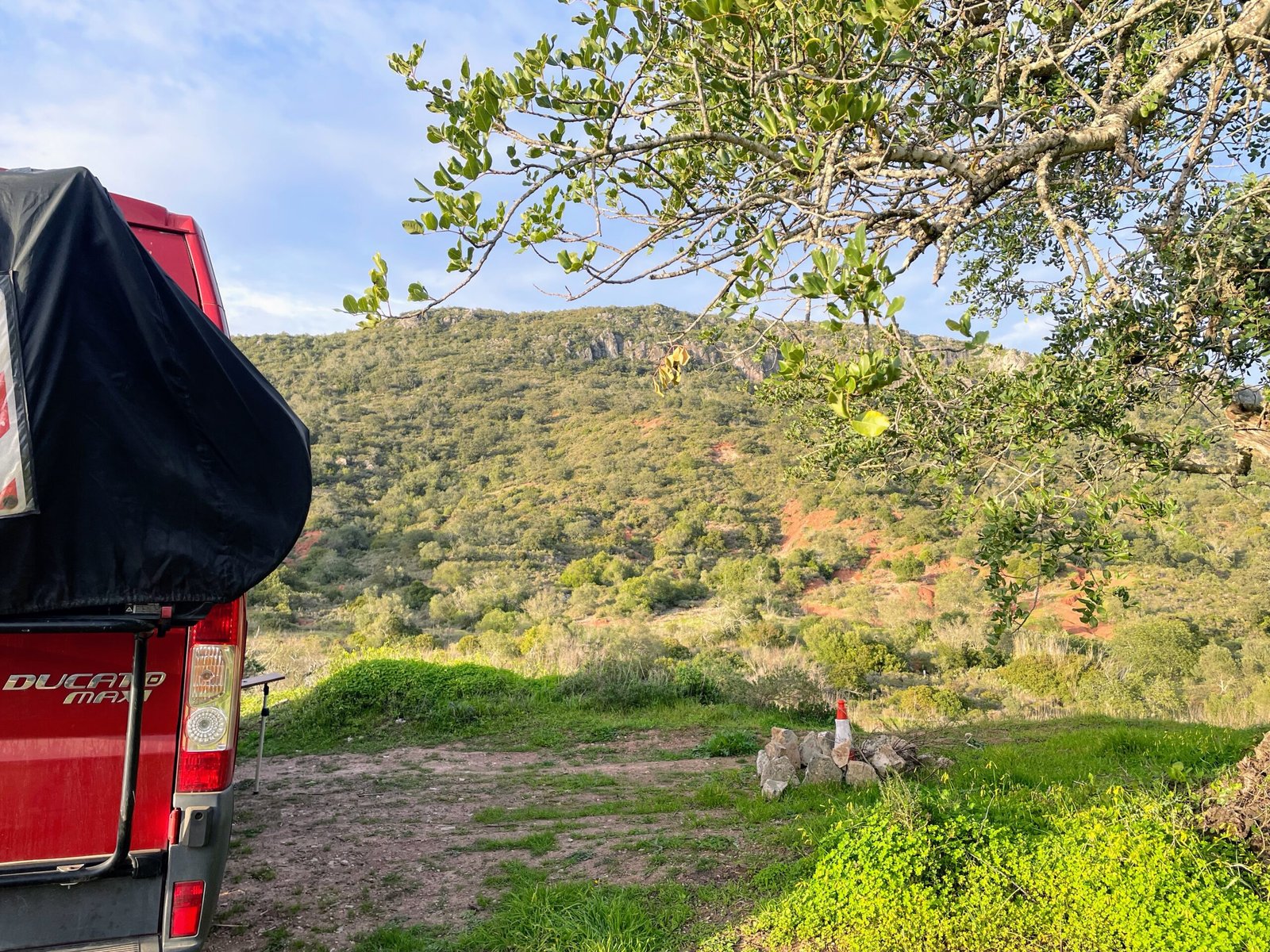
The most spectacular — and most complicated — stop. Sagres is world-class sea-cliff and deep-water-soloing terrain at the southwestern tip of Europe, climbing above the crashing Atlantic. It’s also officially prohibited inside the natural park, a 20-year access dispute that’s still unresolved. We document it honestly rather than recommend breaking the rules: understand the legal risk, and if it’s not for you, Rocha da Pena an hour inland is the fully legal alternative. Either way, watch the sunset at the cape.
👉 Full Sagres climbing guide & access situation
10 Lisbon region — the grand finale
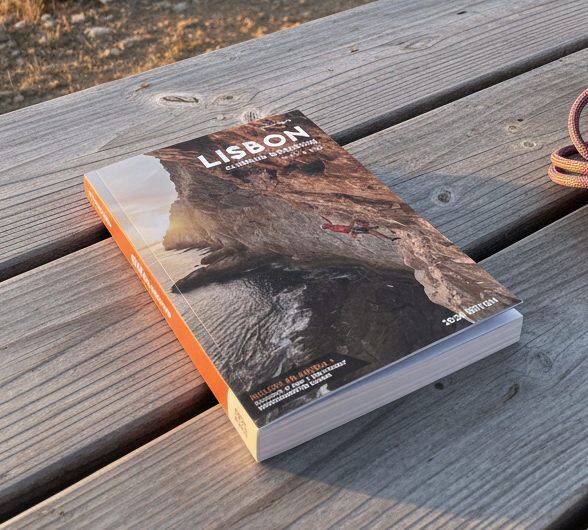
End on abundance. Within 90 minutes of Lisbon you get Sintra’s granite bouldering, Arrábida’s limestone sport paradise, Cascais multi-pitch and Cabo da Roca’s Atlantic trad — 1,300+ routes, every style, at 30–40% cheaper than France or Spain. It’s the kind of place climbers come for a month and stay for years. A fitting last chapter before the long drive north back to France.
👉 Full Lisbon climbing guide — Sintra, Cascais, Arrábida & more
Got more weeks? The detours worth taking
The route above is the spine we actually drove. If you’re running the full season — or just want to swap a stop — these all fit straight in without backtracking, grouped by country below:
🇪🇸 Spain
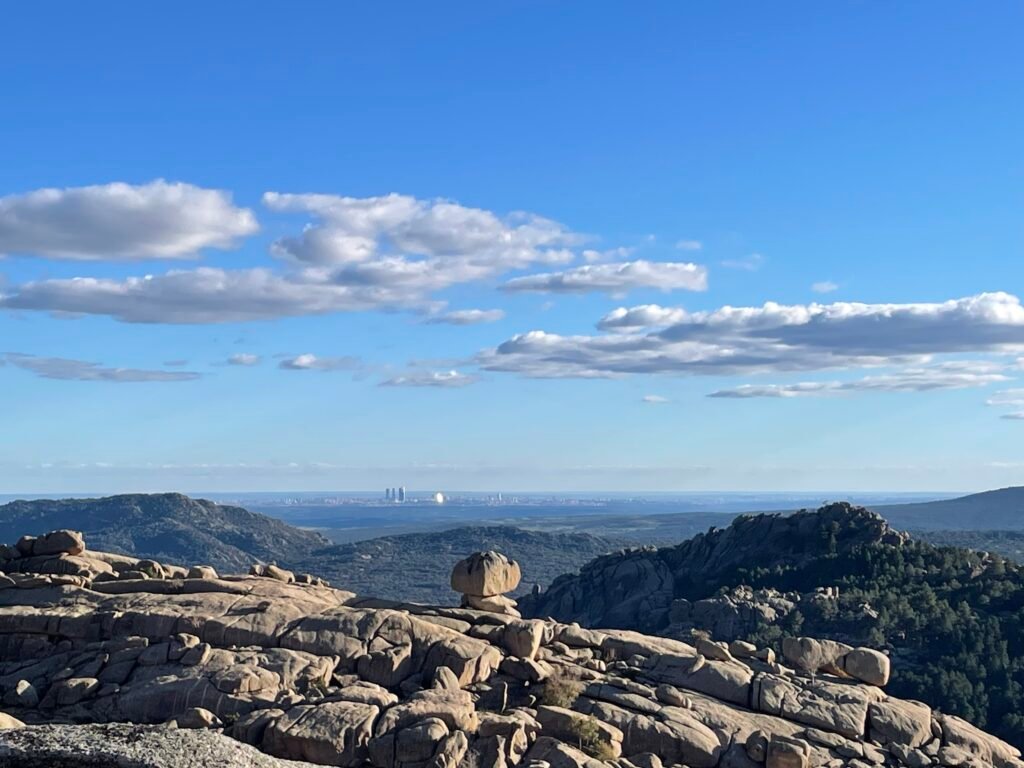
More Madrid granite
Beyond Valdemanco and La Pedriza — a whole cluster of crags around the capital.
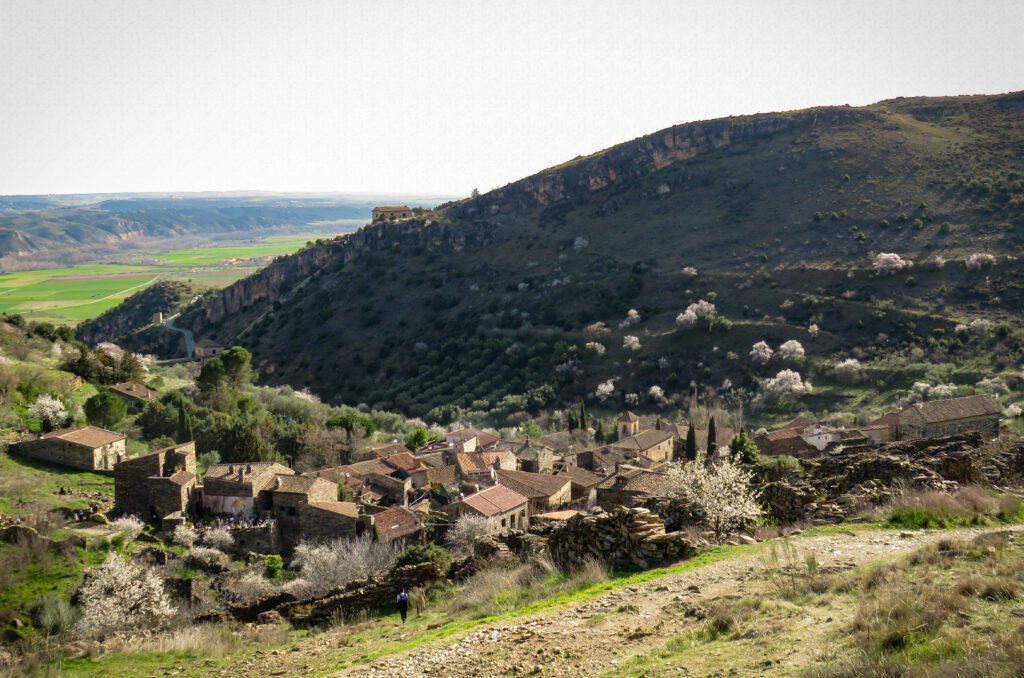
Patones (Pontón de la Oliva)
900+ steep, pocketed sport routes on limestone, under an hour north of Madrid.
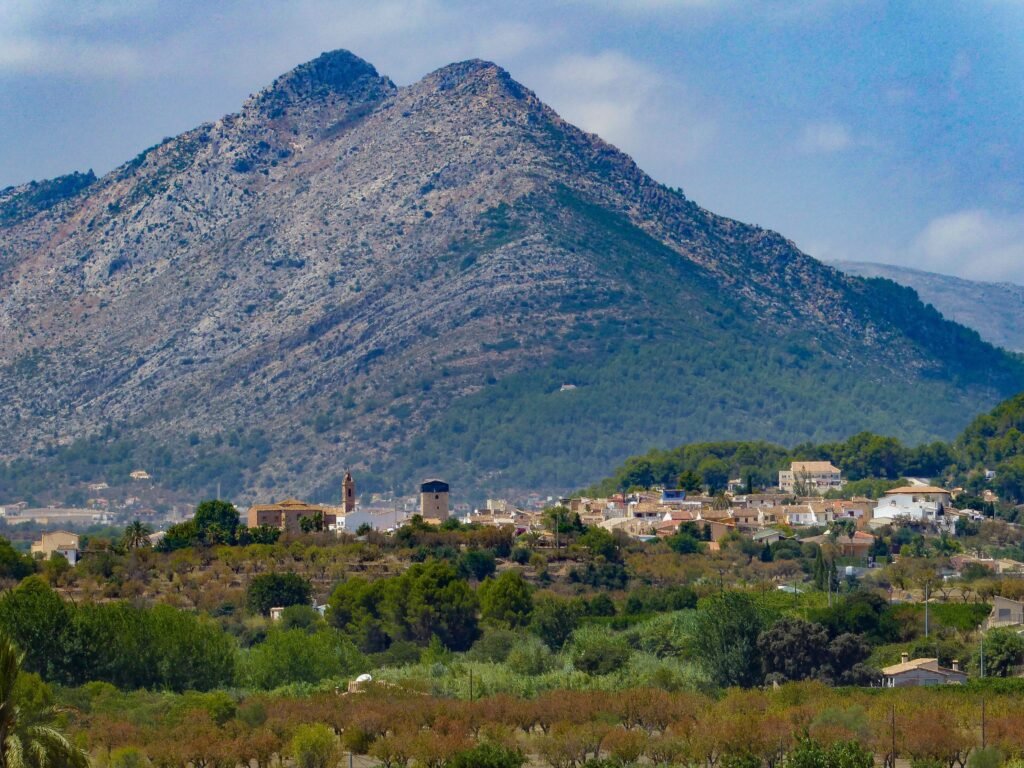
Alcalalí, Costa Blanca
South-facing Xalon Valley limestone — 40+ routes, full winter sun, five-minute approach.
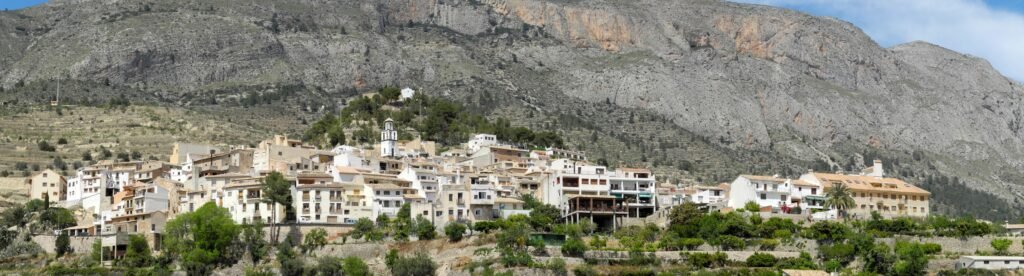
Sella, Costa Blanca
The Costa Blanca’s most complete valley — ~500 routes from slabs to Wild Side tufas.
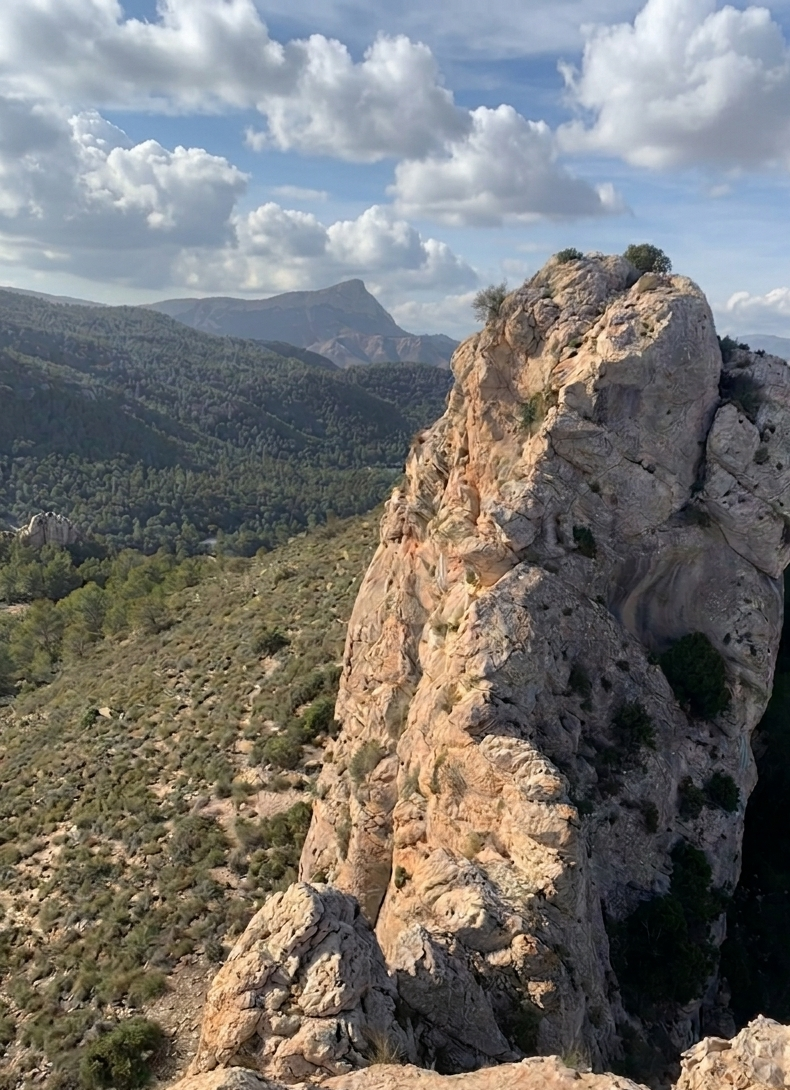
Foradà, inland Alicante
Alicante’s biggest sport crag — a shady north face that even climbs through summer.
🇵🇹 Portugal
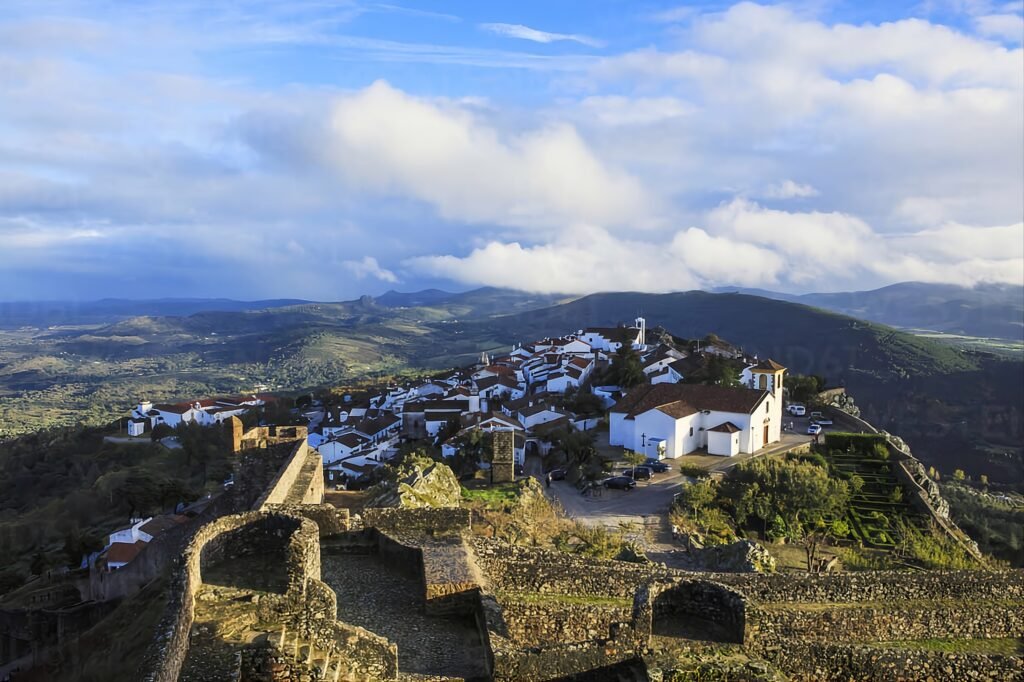
Marvão & Escusa
Granite bouldering and sport under a medieval fortress in the Alto Alentejo.
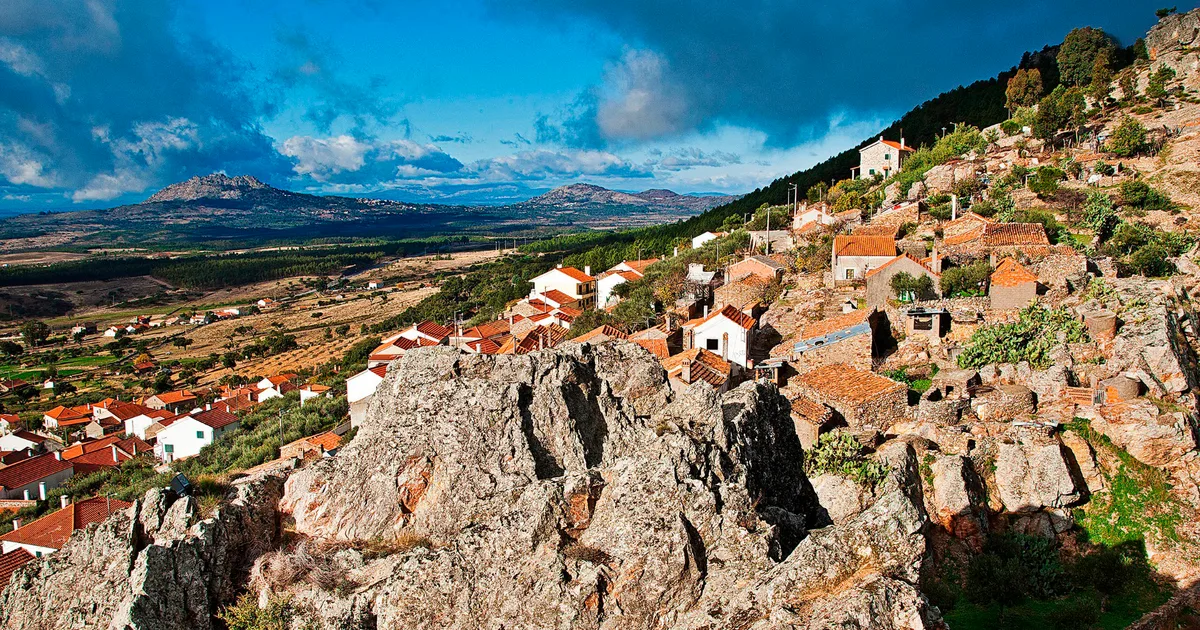
Penha Garcia
A quartzite river gorge with 60+ sport routes — pairs perfectly with Marvão.
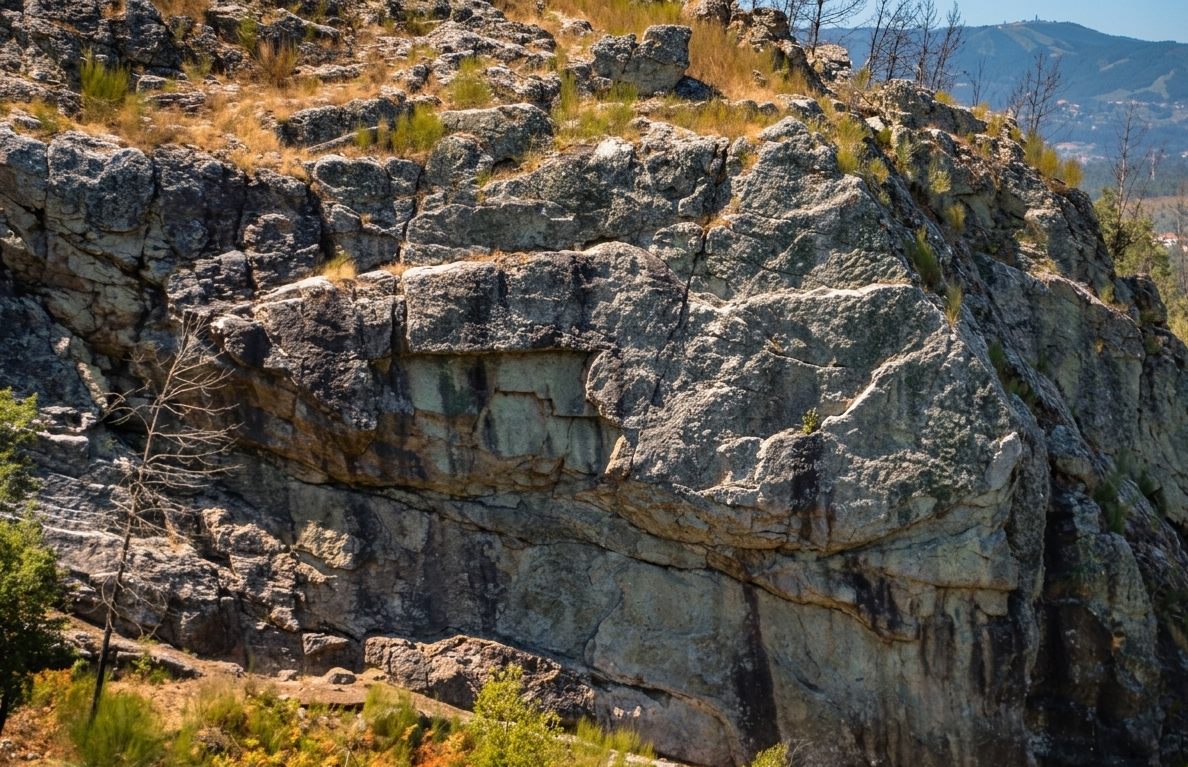
Vila Nova de Poiares
A quieter Portuguese limestone stop — a hidden central-Portugal gem.
What we actually packed & used
Three months on the road lives or dies on logistics. These are the tools and kit that earned their place — tap any card for the full breakdown:
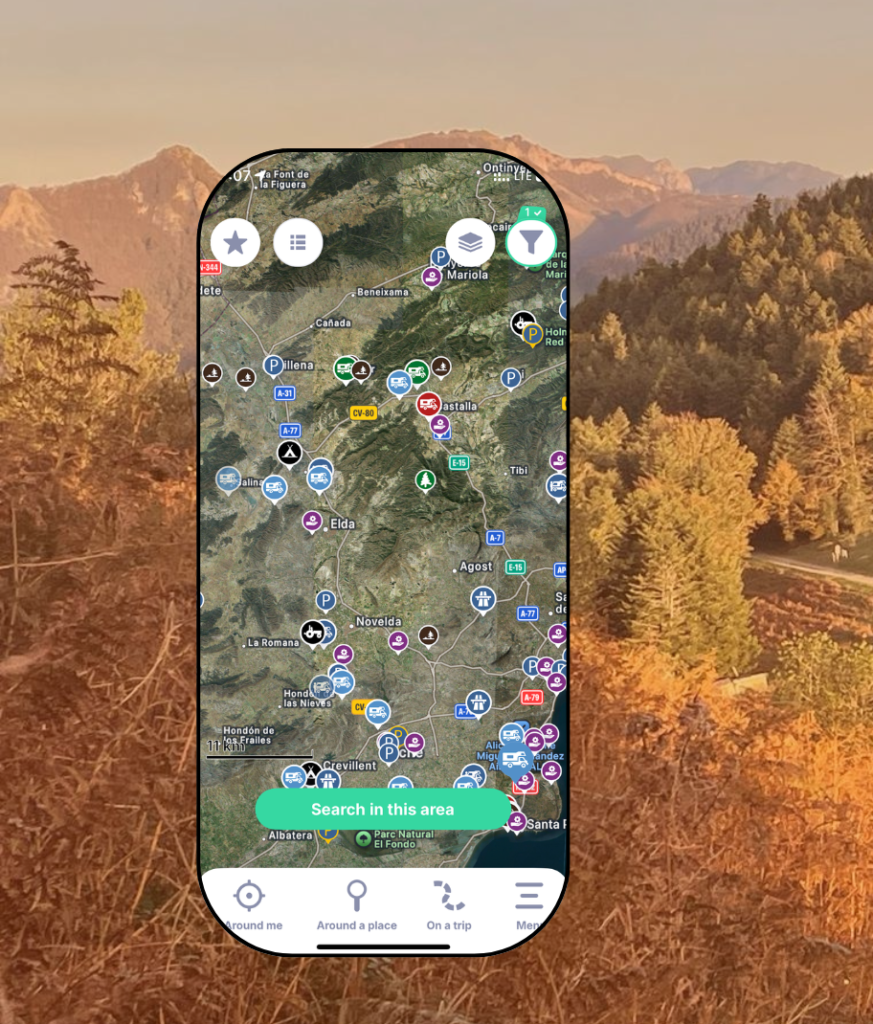
Finding van spots
Park4Night
The daily bible for finding van parking along this whole route.
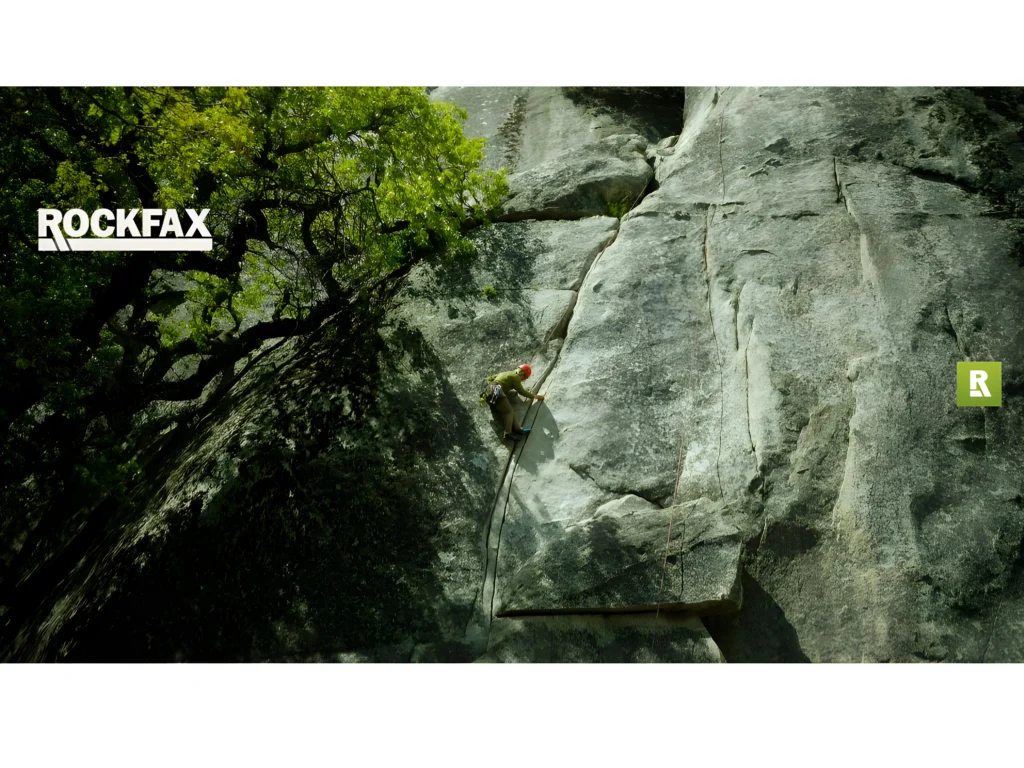
Topos & route-finding
Rockfax Digital
Our topo workflow — paired with local guidebooks, which fund the bolting.
Staying connected
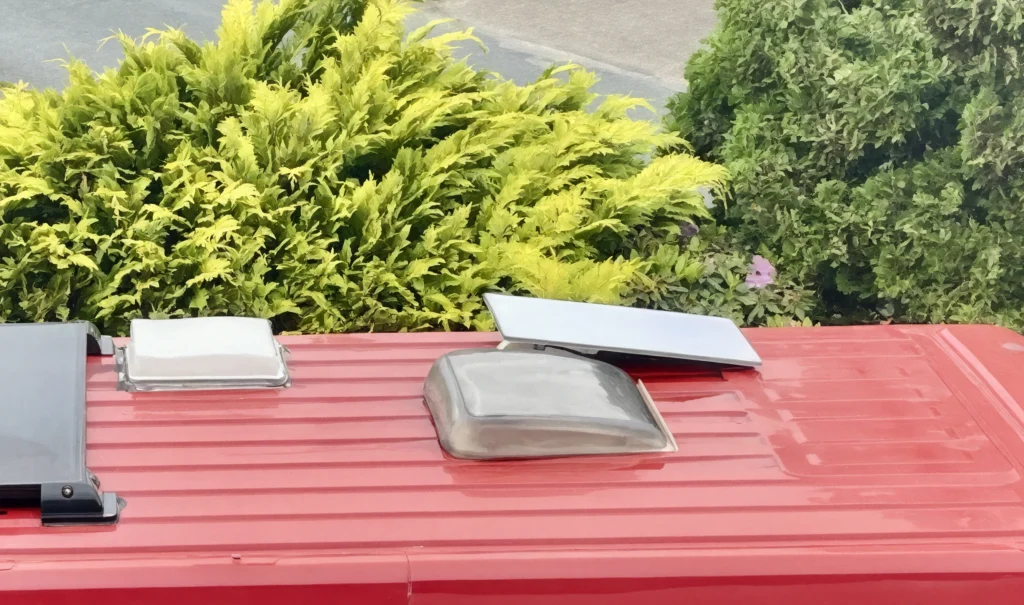
Starlink for van life
Kept us working from isolated carparks like Chodes with zero signal.
Staying connected
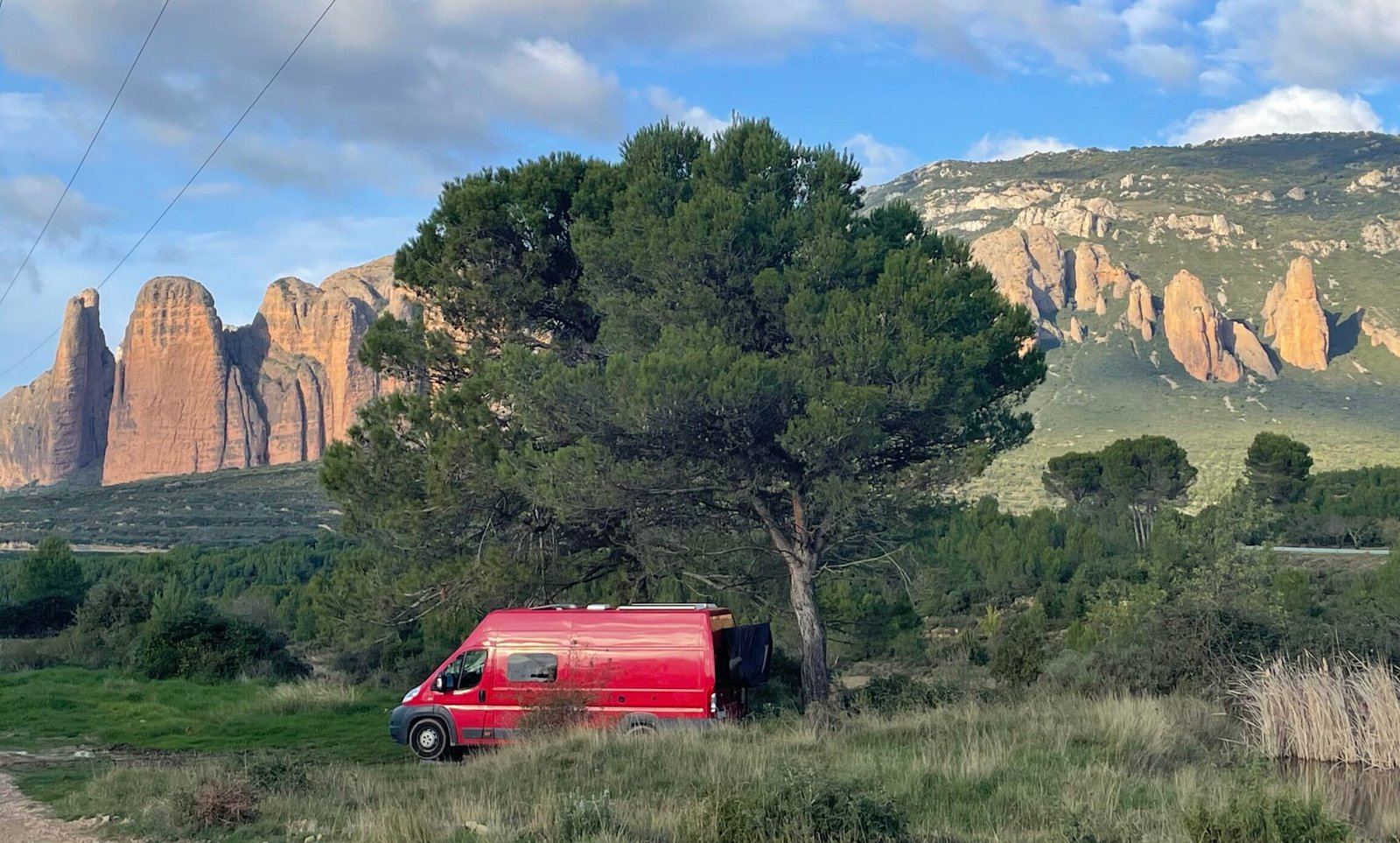
Best eSIM for Europe
Cheap, reliable mobile data across every country on the circuit.
Power
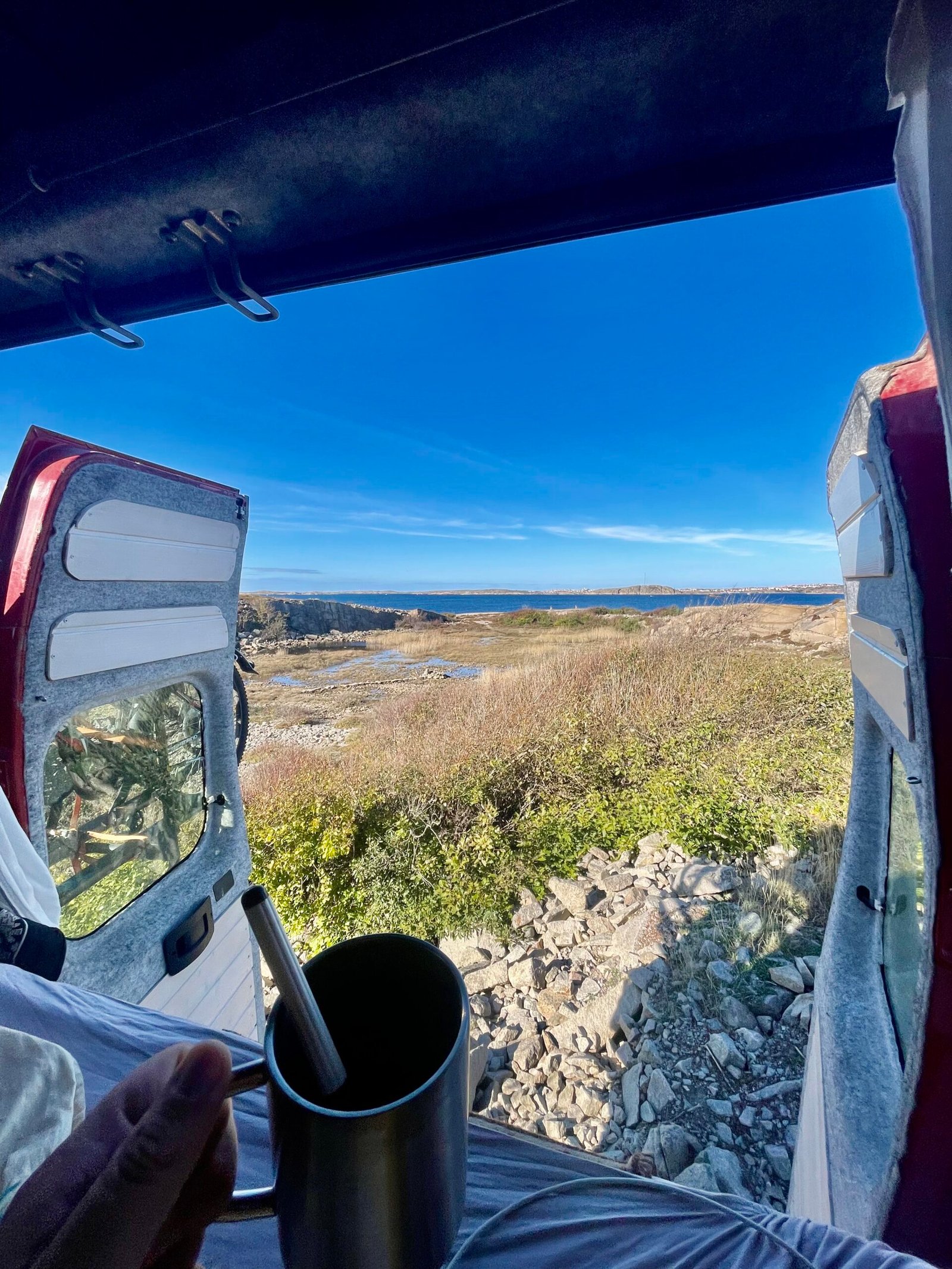
Our exact electrical setup
The solar, battery and power system that ran months of climbing travel.
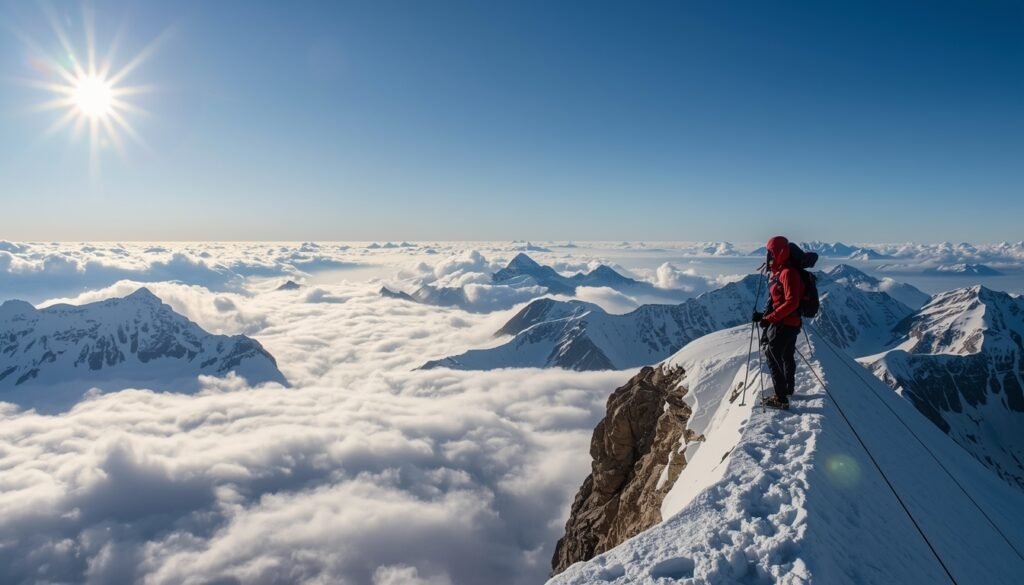
The rope
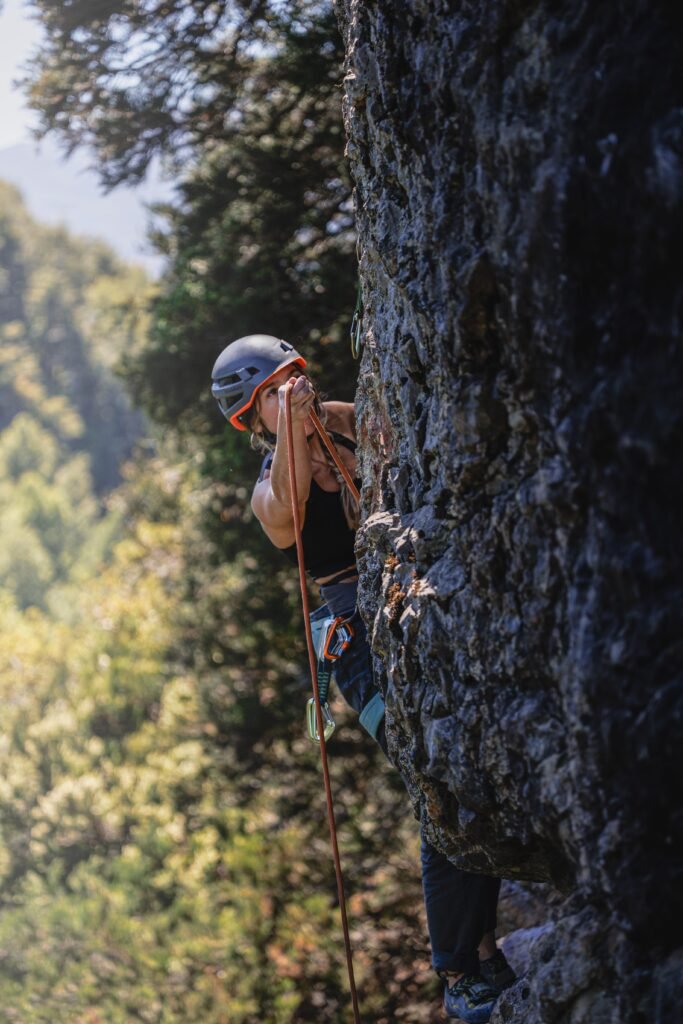
Best climbing ropes 2026
Long limestone pitches down here make an 80m worth it.
Insurance
Travel insurance for climbing
Don’t climb abroad without cover — here’s what actually protects you.
Want the full kit list?
Every gear review and van-life system we use, in one place.
Rough costs
Iberia is why this trip is possible on a normal budget. Daily van costs ran roughly €20–40 in Spain and €15–30 in Portugal (cooking in the van, mostly free or wild parking, occasional campsite). The big variables are the Tenerife flights, the odd campsite where wild camping is banned (La Pedriza, national parks), and fuel for the distance. Budget a little extra for local guidebooks and Caminito del Rey tickets — both worth it, although Caminito is just an addition to climbing :).
Frequently asked questions
Is southern Spain and Portugal really warm enough to climb in winter?
How long do I need — is 6 weeks enough?
Where can I legally park a van overnight on this route?
What does a winter climbing road trip in Iberia cost?
Is it worth flying to Tenerife mid-trip?
Can I climb at Sagres / Cape St. Vincent legally?
Iberia Winter Circuit Beta
Final thoughts
Whether you carve off a six-week block or commit to the full twelve, this is the winter that keeps us coming back to Iberia: limestone, granite and sea cliffs strung along one long, sun-chasing line, with the freedom of the van tying it all together. Every crag above has its own full guide with GPS parking and topos — start with whichever one your winter can reach.
Planning your own winter circuit?
Drop a comment with your dates and where you’re starting from, and we’ll help you shape the route.
Grab the complete European climbing guide →Have you driven any of this circuit? Which stop would you add? Tell us in the comments.
📚 Helpful Climbing Resources
Essential guides, tips, and advice for your climbing adventures
🔧 Gear Lab
View all →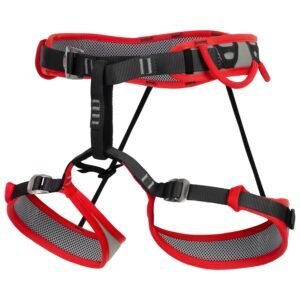
DMM Renegade Review: Four Years on My Trad Harness
Read more →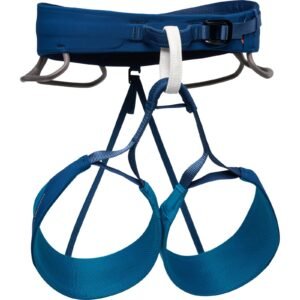
Black Diamond Solution Review — The All-Rounder, Updated for 2026
Read more →🚐 Road Trip Essentials
View all →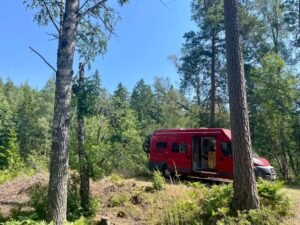
10 Underrated European Sport Climbing Destinations (That We Actually Drove To)
Read more →
Van Life Electrical Setup 2026 — Our Exact Power System
Read more →📖 Climber's Handbook
View all →
Beginner Climbing Gear List 2026 – Everything You Need to Start Climbing Outdoors
Read more →