Climbing Ethics in Europe: Leave No Trace and Crag Respect
Be a responsible climber. Protect the crags you love and the communities that maintain them.
Introduction
We’ve all seen some climbers show up to crags without understanding local traditions, leave trash scattered around, park in farmers’ fields, and damage access for everyone who came after them. It breaks our heart every time. The truth is: your behaviour at the crag directly impacts whether that crag stays open for you and future climbers.
Climbing ethics aren’t just nice ideas—they’re essential practices that keep climbing areas accessible, protect fragile ecosystems, and maintain respect between climbers and local communities. Whether you’re a vanlifer staying for weeks or a tourist for a weekend, how you climb and behave matters enormously.
This guide covers the practical ethics every climber should understand before visiting European crags: Leave No Trace principles, respecting local culture, and protecting the environments we climb in.
📋 Quick Navigation
Leave No Trace Climbing Principles
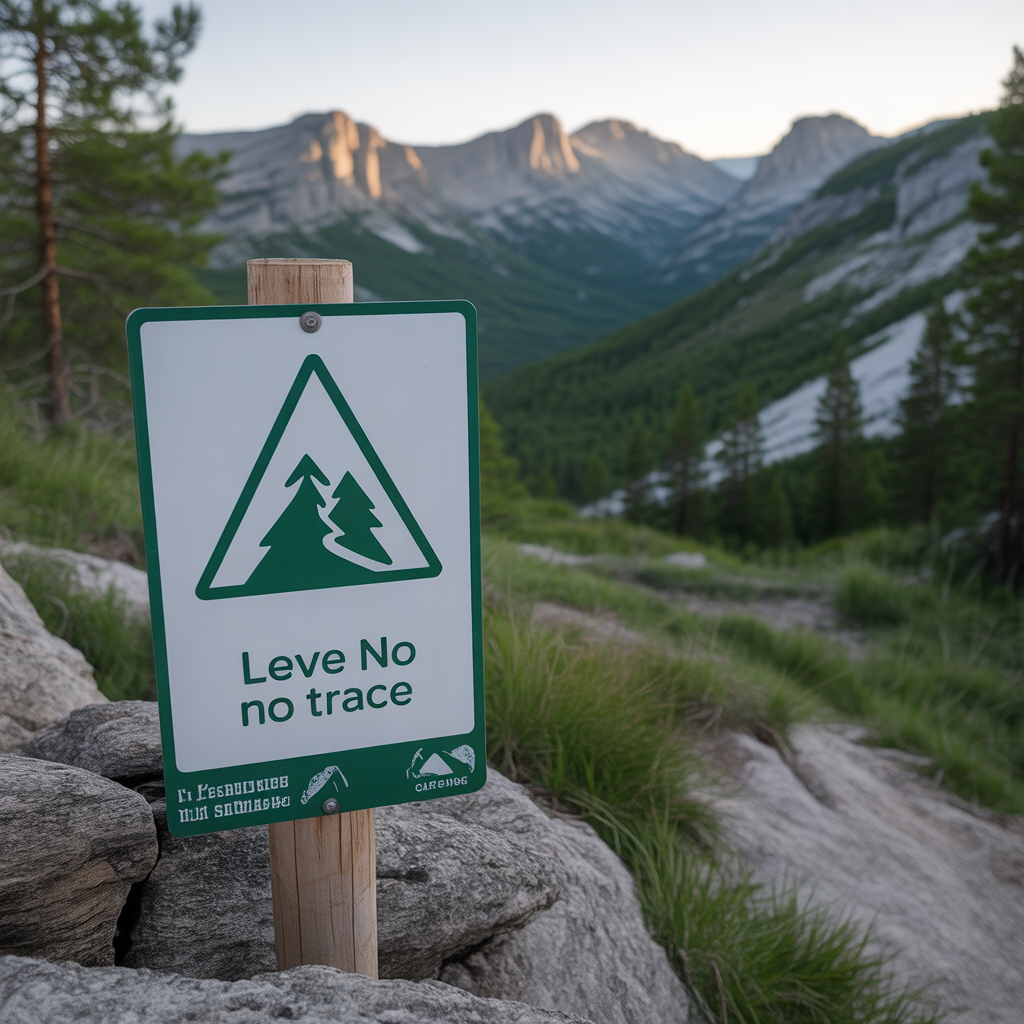
Leave No Trace (LNT) is the foundation of ethical climbing. It sounds simple—don’t leave garbage—but it actually encompasses much more. It’s about minimising your impact on the landscape, wildlife, and other climbers’ experiences.
Pack Out Everything You Pack In
This seems obvious, but I’ve seen beer cans, energy bar wrappers, and discarded tape at climbing areas across Europe. Everything that comes up the approach comes back down. No exceptions. That means energy bars, tape, chalky wipes, slings (unless permanent fixtures), and especially food waste. Bury human waste 200 metres away from water sources and trails—most climbers actually ignore this one, which is disgusting for everyone downwind.
Use Established Trails and Areas
Don’t hack through vegetation to create shortcuts or new approach routes. Use existing trails. If no trail exists, minimise your impact by spreading out your footsteps rather than creating a single worn path. At the crag itself, stay on established areas. Don’t create new campsites or fire pits when perfectly good ones already exist.
Respect Water Sources
Don’t wash yourself, your gear, or your chalk in streams or natural water sources. Use biodegradable soap if you must wash anything, and do it away from water.
Minimise Campfire Impact
If you camp near climbing areas (which vanlifers do), use established fire rings if they exist. Better yet—use a camping stove instead. Many European climbing areas are in sensitive ecosystems where fires are prohibited entirely. Check local regulations.
Respecting Local Culture and Communities
Here’s something I wish every visiting climber understood: the people who live near climbing areas don’t exist for your recreation. Local communities maintain crags, organise trail work, manage access agreements, and often provide hospitality. Respecting them isn’t just nice—it’s essential.
Learn and Honour Local Traditions
Different European regions have different climbing cultures and expectations. Spanish climbing communities might welcome you warmly but expect you to buy a local guidebook and support local guides. French climbers have strong traditions about which crags are appropriate for certain activities. Italian communities often expect respect for seasonal restrictions. Before you show up, research what local climbers value and expect.
Support Local Businesses and Guides
Buy guidebooks from local publishers and shops. Hire local climbing guides when available and needed. Eat at local restaurants. Stay at locally-owned campsites. Your money directly supports the people maintaining the crags you love. This isn’t charity—it’s reciprocal respect. The local climbing community invests time and effort protecting access; supporting them with your money makes sense.
Communicate Respectfully
Learn key climbing terms in the local language. Smile. Say please and thank you. Don’t assume everyone speaks English. Don’t show up demanding information or special treatment. When you approach locals with genuine respect and curiosity, most climbers are incredibly welcoming and generous with their knowledge.
Understand Property Rights
Many European crags are on private land where owners have graciously allowed climbing. Respect this privilege. Don’t trespass on surrounding property. Don’t assume you can camp anywhere near the crag. Don’t treat private land like it’s public.
I’ve gained access to incredible hidden crags simply by being respectful, buying local guidebooks, and showing genuine interest in the climbing community rather than just extracting information and moving on.
Environmental Awareness by Region
Different European regions have different environmental sensitivities. Understanding these means the crags you love stay open and healthy.
Nesting Seasons and Wildlife Protection
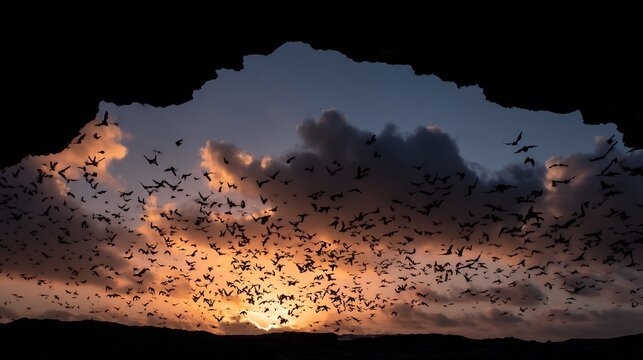
Spanish crags might have restrictions during eagle or vulture nesting season (typically March-July). French Alpine areas protect nesting birds. Some regions have bat populations that require cave closures. These aren’t arbitrary rules—they’re protecting species that genuinely depend on undisturbed habitat. Respect seasonal access restrictions absolutely. If a crag is closed during nesting season, don’t climb it.
Erosion and Soil Protection
Alpine areas and high-altitude crags are particularly vulnerable to erosion. Heavy foot traffic damages fragile vegetation. Some areas limit climber numbers specifically to prevent erosion damage. Follow these limits. Don’t shortcut switchbacks. Don’t climb the same approach multiple times in a single day if alternatives exist.
Water Source Protection
Some regions’ crags are near their only reliable water sources. Contaminating these sources is catastrophic for local communities. Don’t wash near water. Don’t dump anything in streams. If locals say an area is sensitive, believe them and adapt your behaviour.
Regional Restrictions You Should Know
Spain: Some Andalusian crags close during eagle nesting. Check seasonal restrictions carefully. France: Alpine areas and gorges often have summer closures. Portugal: Coastal crags sometimes have environmental protections. Italy: Certain areas restrict climber numbers. Norway: Access restrictions protect reindeer migrations and nesting birds.
Community Responsibility and Access Protection
Every time you visit a climbing area, you’re participating in a contract with the local climbing community. That contract is simple: respect the place and the people, and access stays open. Violate it, and crags close permanently.
Don’t Be the Reason Access Closes
I’ve heard about crags closing because of irresponsible climbers: trespassed on private property, left trash, damaged environmental protections, disrespected locals, or ignored seasonal restrictions. Once a crag closes due to climber behaviour, it rarely reopens. Ever. Don’t be responsible for that.
Report Hazards and Damage
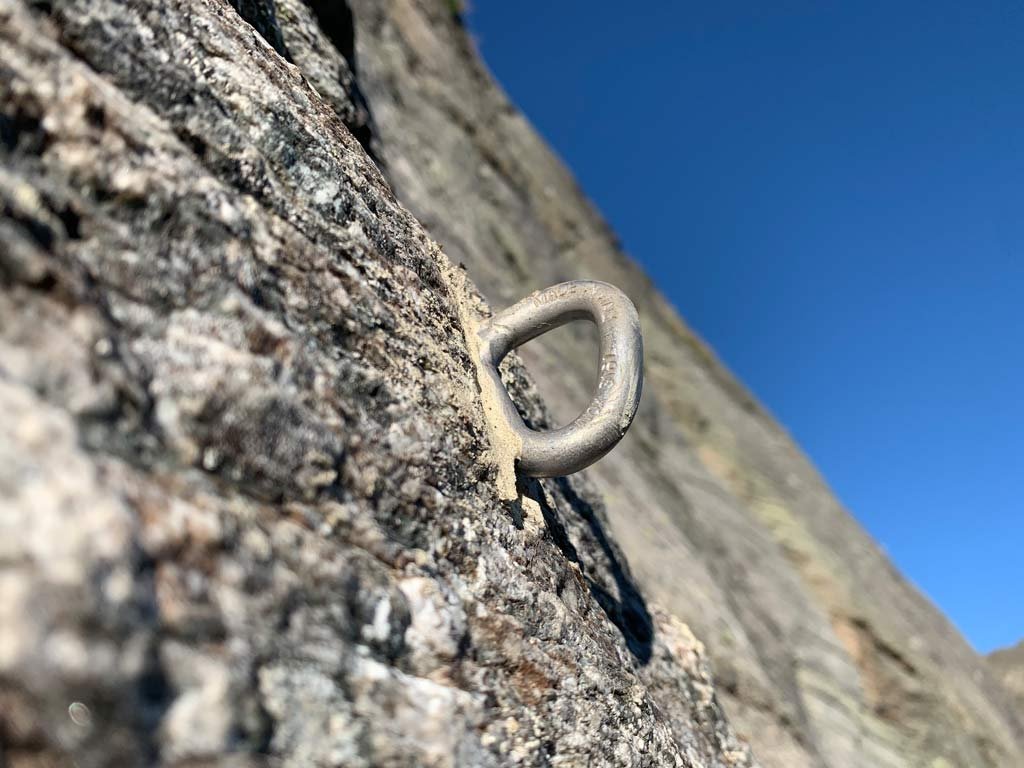
If you notice corroded bolts, loose rock, or environmental damage, report it. Post on 27Crags or local forums. Email local climbing clubs. Take photos. Help the community maintain the resource. This is your responsibility as a climber.
Participate in Crag Maintenance When Possible
Some climbing areas organise maintenance days or trail work. If you’re staying for weeks as a vanlifer, participate. Even a few hours of work picking up trash or improving trails contributes meaningfully. Local climbers notice and appreciate it, and you’ll understand the area better.
Join Local Communities
Join local Facebook climbing groups. Become a member of 8a.nu and participate authentically. Contribute real information, not just take it. This ongoing engagement with climbing communities—even remotely—helps you understand local needs and values.
The climbing areas you enjoy only stay open because local communities work to maintain access. You’re not a spectator—you’re part of that responsibility.
Your Role as a Visiting Climber
Every single climbing trip is an opportunity to be the kind of climber who makes communities welcome visiting climbers. Or the kind that makes them regret it.
| When | What to Do |
|---|---|
| 📋Before You Arrive | Research the area thoroughly. Check access status. Understand seasonal restrictions. Buy guidebooks if they exist. Join local Facebook groups. Learn about local culture. Understand the rock type and climbing style. This preparation isn’t optional—it shows respect. |
| 👋When You Arrive | Introduce yourself to local climbers at gyms or crags. Ask genuine questions. Listen more than you talk. Show appreciation for local knowledge. Be humble about what you don’t know. Don’t assume you understand European climbing culture based on one region. |
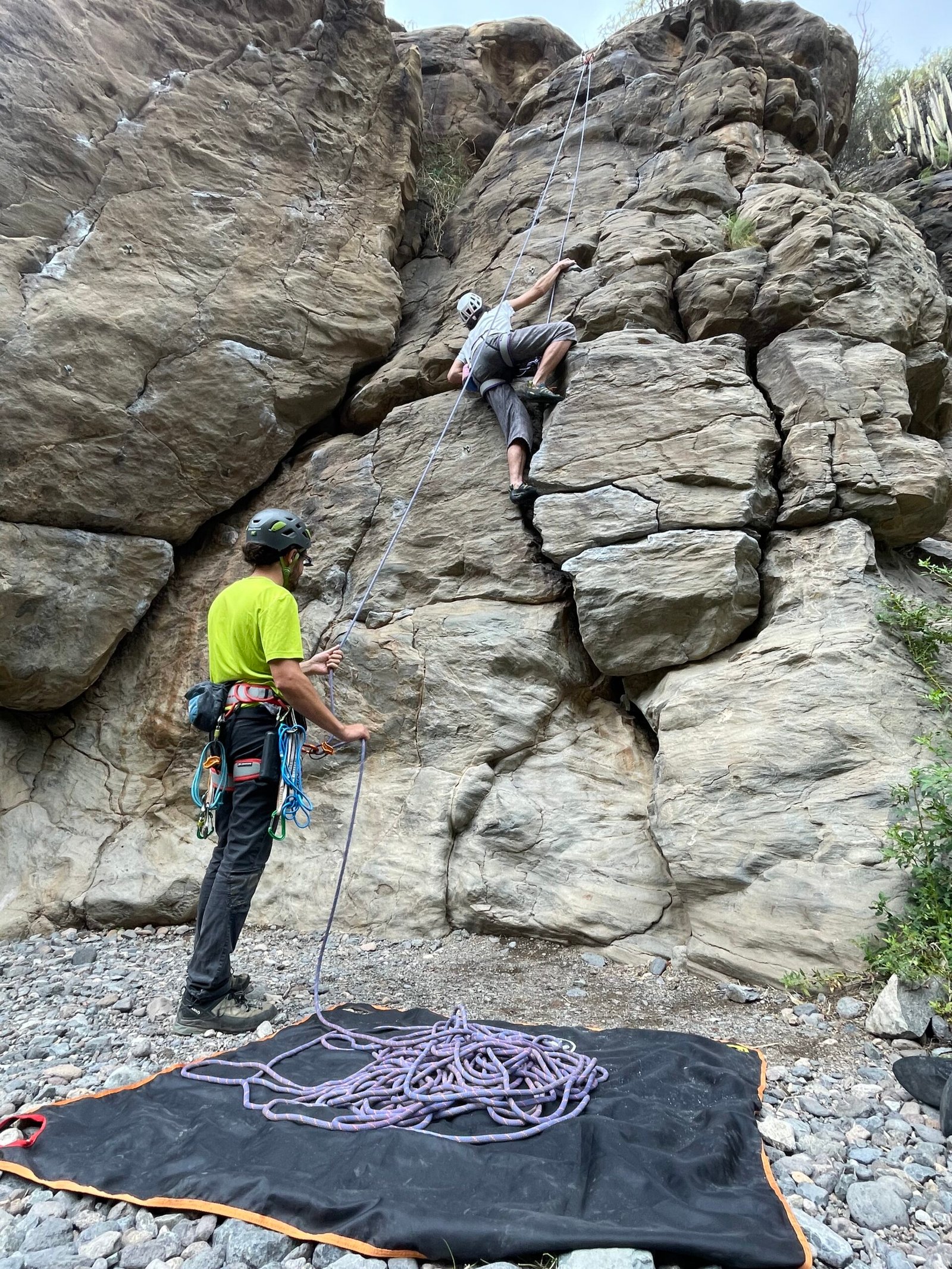
| 🧗While Climbing | Minimise your impact. Stay on established areas. Don’t create new routes or features. Be friendly to other climbers, even if you don’t speak the same language. Respect quiet times if locals seem to prefer it. Leave campsites cleaner than you found them—pick up old rubbish you find. |
| 🚐When You Leave | Write honest feedback on climbing databases. Share photos if appropriate. Give credit to local guides and information sources. If you had a great experience, share it authentically. If you encountered hazards or issues, report them constructively. Stay connected to the communities you visit, even after leaving. |
Being a good visiting climber isn’t about perfection—it’s about genuine respect, willingness to learn, and understanding that you’re a guest in communities that have maintained these areas for decades.
Climb Responsibly, Climb Ethically
The climbing crags across Europe are gifts maintained by dedicated local communities. They only stay open when climbers respect them. Your behaviour—whether you pick up a single piece of trash, whether you respect seasonal closures, whether you support local guides—matters.
As vanlifers and travelling climbers, you have extra responsibility. You’re visible. You’re spending extended time in communities. How you behave affects whether locals welcome the next travelling climber or put up “No Climbing” signs.
Climb with intention. Respect the culture. Protect the environment. Support local communities. These aren’t burdens—they’re the foundation of sustainable climbing.
Some external reading if you want to know more 🙂
Clean Climbing Ethical ClimbingShare Your Ethical Climbing Stories
What’s the best example of ethical climbing behaviour you’ve witnessed? What local communities have impressed you with their climbing culture? Share your experiences in the comments—let’s celebrate and learn from each other about how to be better climbers in Europe.
These principles apply everywhere — from Chodes to every crag across Europe.
Climbing Ethics & Access Vocabulary
Keywords: Leave No Trace (LNT) • Crag Access Negotiations • Bolting Ethics • Visual Impact Mitigation • Waste Management for Van Lifers • Respecting Private Land • Seasonal Raptor Closures • Local Climbing Communities • Sustainable Crag Infrastructure • Erosion Control Beta
🧗 Explore Our Climbing Guides
Detailed crag guides from our van life climbing adventures across Europe