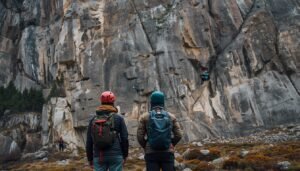
We’ve been living and climbing in a van across Europe for over two years. In that time we’ve driven to crags in six countries, slept in forest car parks, limestone valleys, and coastal fields, and learned which countries work best for van life/climbing and which ones require more planning than they’re worth.
This guide is the honest version. Not a tourist board overview of everywhere being equally brilliant, but a real breakdown of what each country is actually like for sport/trad climbing from a van: the quality of the crags, the wild camping situation, the cost of living on the road, and how easy it is to just show up and climb.
Each country section below links out to our full individual crag guides where they exist. Use this page to decide where to go — then follow the links for the on-the-ground logistics of each specific destination.
Why These Are the Best Rock Climbing Destinations in Europe
Every destination in this ranking was tested first-hand from a van — no armchair recommendations. From Spanish limestone to Portuguese ocean cliffs, here’s how the countries stack up for van-based climbing trips across Europe.
🏆 Country Rankings at a Glance
If you only have time for one section, here’s our honest ranking of the six countries we’ve climbed in, scored on the full van life/climbing package — not just route quality.
| # | Country | Climbing | Van Life | Cost | Weather | Overall |
|---|---|---|---|---|---|---|
| 1 | 🇪🇸 Spain | ⭐⭐⭐⭐⭐ | ⭐⭐⭐⭐ | ⭐⭐⭐⭐ | ⭐⭐⭐⭐⭐ | Essential |
| 2 | 🇵🇹 Portugal | ⭐⭐⭐⭐ | ⭐⭐⭐⭐⭐ | ⭐⭐⭐⭐⭐ | ⭐⭐⭐⭐⭐ | Essential |
| 3 | 🇫🇷 France | ⭐⭐⭐⭐⭐ | ⭐⭐⭐⭐ | ⭐⭐⭐ | ⭐⭐⭐⭐ | Excellent |
| 4 | 🇬🇧 UK | ⭐⭐⭐⭐⭐ | ⭐⭐⭐ | ⭐⭐ | ⭐⭐ | Great for trad |
| 5 | 🇩🇪 Germany | ⭐⭐⭐ | ⭐⭐⭐ | ⭐⭐⭐ | ⭐⭐⭐ | Worth a detour |
| 6 | 🇮🇹 Italy | ⭐⭐⭐⭐⭐ | TBC | TBC | ⭐⭐⭐⭐⭐ | Reporting July 2026 |
🇪🇸 Spain — Our Top Pick for Van Life Sport Climbing, and also some great Trad Climbing
Spain is the obvious first answer for a reason. The combination of world-class limestone sport climbing, reliable sunshine for most of the year, affordable living costs, and a van life culture that’s well established makes it the easiest country to just arrive and climb. The variety is extraordinary — from the steep tufa lines of El Chorro in Andalusia to the technical slabs of Siurana in Catalunya, the volcanic crags of Tenerife to the endless sectors around Madrid.
The van life situation in Spain is generally straightforward. Wild camping in a vehicle is technically regulated but widely tolerated in rural areas, particularly near climbing zones. If there is a sign “no camping”, it means no camping. But most popular crag areas have established free or cheap overnight spots that the climbing community has used for years. We’ve rarely had issues finding somewhere to sleep within a short drive of wherever we wanted to climb.
Spring (March–May) and autumn (September–November) are ideal across most of the country. Summer is viable at altitude and in northern areas but we were already away at that time. Avoid southern Spain in July and August — it’s simply too hot to climb comfortably on sun-exposed limestone.
Our Spain Crag Guides
From the crags around Madrid to the coast of Murcia and the volcanic rock of Tenerife — our Spain guides cover the full logistics.
🏨 Planning a Spanish climbing trip? Find rentals, hotels and campsites near Catalunya, Costa Blanca and Andalusia hubs on one map →
🇵🇹 Portugal — The Best-Value Van Life Climbing in Europe (Haven’t found any trad)
Portugal is our most underrated recommendation. The climbing isn’t as well-documented as Spain or France — which is exactly why it’s worth going. The crags are quieter, the wild camping situation is genuinely excellent, the cost of living is the lowest of any country we’ve visited, and the Portuguese climbing community is welcoming and growing fast.
The rock varies dramatically. The Algarve coast offers sea cliff sport climbing on compact limestone. Central Portugal has quartzite crags like Marvão and Escusa that feel completely different from anything in Spain. The Lisbon area has everything from coastal limestone at Sagres to granite bouldering in Sintra. For a van lifer who wants variety without crowds, Portugal delivers consistently.
Wild camping in Portugal is arguably the best in western Europe. Rural areas are genuinely tolerant, Park4night spots are plentiful and reliable, and we’ve found excellent free overnight options within walking distance of almost every crag we’ve visited.
Portugal is genuinely climbable almost year-round. Winters are mild enough for climbing in the south. Spring and autumn are perfect everywhere. Summer is best on the coast where Atlantic breezes keep things manageable.
Our Portugal Crag Guides
Sagres sea cliffs, Rocha da Pena, Marvão quartzite, and the Lisbon area — our Portugal guides cover the best van-accessible crags.
🏨 Planning a Portuguese climbing trip? Find rentals, hotels and campsites near Sagres, Lisbon and Marvão on one map →
🇫🇷 France — The Birthplace of Sport Climbing (No trad or only Alpine regions)
France is where sport climbing was invented and where the standards for almost everything — route quality, guidebook production, crag ethics — were set. (Yes I am a little Bias as I actually am French…) The Verdon Gorge, Céüse, Fontainebleau, the limestone of Languedoc: these aren’t just good climbing areas, they’re the reference points against which everywhere else is measured.
For van lifers, France is excellent but slightly more expensive than Spain or Portugal. Wild camping is technically regulated and more difficult than Spain based on the area you visit — you’re not supposed to stop for more than one night in most places — but in practice the approach of arriving late and leaving early is widely used and rarely causes problems, particularly near climbing areas away from tourist hotspots. Aires (designated motorhome stops) are plentiful and often free or very cheap.
French grades are the international benchmark for sport climbing, and routes are generally well-graded and reliably equipped. First-timers from the UK often find they climb harder than expected — French grades tend to be more consistent than the sometimes-stiff grades found at Spanish crags.
Highly dependent on region. The south (Languedoc, Provence) is good from March through June and again September through November. The Verdon is best in spring and autumn. Fontainebleau bouldering is year-round. Avoid the south in August — tourist season makes parking and camping significantly harder.
Our France Crag Guides
Labeaume, Balazuc, Millau, and more — our France guides focus on the Ardèche and Aveyron regions with full van life logistics.
🏨 Planning a French climbing road trip? Find rentals, hotels and campsites near the main hubs — from Céüse to Millau — on one map →
🇬🇧 United Kingdom — The Best Trad Climbing in the World (Our opinion)
The UK punches well above its size for climbing quality, particularly trad. Gritstone edges in the Peak District, sea cliffs in Cornwall and Pembroke, the slate quarries of North Wales, the sandstone of the south-east — the variety of rock types and climbing styles is genuinely remarkable for such a small country. If you climb trad, some trips to the UK are simply non-negotiable.
For van life specifically, the UK is more challenging than Iberia. Wild camping is technically illegal in England and Wales (legal in Scotland under the right to roam), costs are significantly higher than the continent, and the weather is — honestly — unpredictable enough to plan around carefully. That said, the climbing community is large and well-organised, crags are well-documented, and the quality of the rock and the routes is genuinely world-class.
Our UK experience has been shorter than our time in Spain and Portugal, so our crag guides are fewer — but we’re adding more as we return. The Peak District and Cornwall guides reflect real on-the-ground experience. This is where we started and learned all our basics. Check out our Peak District Trad Climbing Training to learn more.
Wild camping in England and Wales is not legal. That said, many climbers park overnight at crag car parks or designated areas without issue. Read the specific crag access notes carefully — some car parks have height restrictions or overnight bans. Scotland has a right to roam that makes van camping much more straightforward. Also check UKClimbing forum if you have an account for specific information. It is quite reactive and full of well experienced community members.
Our UK Crag Guides
Cornwall sea cliffs and Peak District trad — our UK guides with van logistics for British climbing.
🏨 Planning a UK climbing trip? Find rentals, hotels and campsites near Cornwall, the Peak District and North Wales on one map →
🇩🇪 Germany (Harz) — Worth a Detour for Trad, With Caveats
Germany isn’t the first country most van life climbers think of, but the Harz Mountains — particularly the Okertal granite — offer genuinely good trad climbing in a beautiful forest setting. The climbing culture is strong, the German Alpine Club (DAV) is one of the largest in the world, and the country is well-organised for outdoor activity in general.
The van life situation in Germany requires more planning than Iberia. Overnight parking in vehicles is more tightly regulated, particularly in urban and suburban areas. Wild camping is not permitted. That said, campsite infrastructure is excellent although can be pricey…, and finding a legal overnight spot near the crags we’ve visited has always been manageable with a bit of planning on Park4night .
The Harz in Germany works well as a transit destination — a week or two of climbing on your way between the UK and the Alps or Iberia, rather than a primary destination for a long climbing trip.
Wild camping is not permitted in Germany. Designated motorhome areas (Stellplätze) exist across the country and are generally well-maintained.
Our Germany Crag Guides
Okertal granite in the Harz — our Germany guide with full van life logistics for a lesser-known but worthwhile climbing destination.
🏨 Planning a German climbing trip? Find rentals, hotels and campsites near Frankenjura, Elbsandstein and the Harz on one map →
🇮🇹 Italy — World-Class Climbing, Report Coming July 2026
Italy needs no introduction as a climbing destination. The Dolomites for alpine multi-pitch, Arco and the Garda area for sport, Finale Ligure for sea-level limestone, Sardinia for Mediterranean granite — the country has more world-class climbing packed into it than almost anywhere in Europe. The grades follow French convention, the bolting is generally excellent, and the combination of climbing and Italian food and culture makes it one of the most enjoyable places to be on a climbing trip.
We’re heading to Sardinia for three months in July 2026 and will be adding full van life climbing guides from that trip as we go. Watch this space — Sardinian limestone is supposed to be something else entirely.
We currently have guides for Sant’Anna di Stazzema in Tuscany and Lagazuoi in the Dolomites. Full Sardinia coverage is planned from July 2026 onwards.
Our Italy Crag Guides
Tuscany sport climbing and Dolomites multi-pitch — with Sardinia guides coming July 2026.
🏨 Planning an Italian climbing trip? Find rentals, hotels and campsites across the Dolomites, Arco and Sardinia hubs on one map →
🗺️ Finding Crags, Topos & Reliable Information
The tools for finding European climbing have improved significantly in recent years. Here’s what we actually use and when.
The Topo (formerly 27Crags)
The best European climbing database. Community-maintained, regularly updated, works offline once downloaded. Our primary tool for finding new crags and checking current conditions before driving anywhere.
Rockfax Digital
Professional-grade topos for UK and major European areas. 82,000+ routes across 50+ guidebooks on a single subscription. Essential for UK climbing and the best European hotspots. Read our full review →
Park4Night
Non-negotiable for van life. 350,000+ overnight spots community-rated and regularly updated. We open this before we open any climbing app when arriving somewhere new. Read our full review →
Local Guidebooks
Still the gold standard for specific areas. Written by local climbers who’ve spent years at those crags. Buy them at local climbing shops — they fund the communities that maintain the crags you’re climbing. Check our post: The Essential Guide to Climbing Guidebooks
The honest workflow: use The Topo for an overview of what’s in an area, Rockfax Digital for professional topos where they exist, and the local guidebook for anything the apps miss. For sleeping, Park4Night first, always. See our full how we use these tools together guide for the complete workflow.
🔑 Access, Ethics & Restrictions
Climbing access across Europe is not guaranteed. Crags get closed — seasonally for bird nesting, permanently due to land ownership changes, or temporarily after incidents involving climbers and local communities. Understanding the access situation before you arrive is not optional — it directly affects whether areas stay open for everyone.
Seasonal closures
Bird nesting restrictions are the most common seasonal issue, particularly in Spain and France. Raptors including eagles and peregrine falcons nest on limestone cliffs from roughly February through July, and crags within their territories are closed during this period. Always check The Topo or the local climbing federation website before driving to any crag you haven’t visited recently.
Understanding who owns the land
European crags sit on a mix of public land, private land with tolerated access, national park land, and military land. The rules differ for each. The best source for current access information is always the local climbing community — national federation websites (FFME in France, FEDME in Spain, BMC in the UK) are usually the most reliable and up-to-date.
Leave no trace
The ethics of climbing in Europe are consistent across borders: use established approaches, pack out all waste, don’t create new trails or campsites, respect vegetation and wildlife, and buy the local guidebook. That last point matters more than it sounds — the people who write those guidebooks are often the same people who bolt, maintain, and fight for access to the crags you’re climbing.
Read the most recent comments on The Topo for any crag before you drive to it. If someone was turned away or a restriction has changed, it’ll be in there. Five minutes of checking saves hours of wasted driving.
Climbing Ethics & Crag Respect
Our full guide to climbing ethics across Europe — Leave No Trace, access rules by country, and how to be a good guest at every crag you visit.
❓ Frequently Asked Questions
Which European country is best for beginner sport climbers?
Spain is the most accessible starting point for beginner sport climbers from a van. The sheer volume of well-bolted, well-graded routes at every level — particularly in areas like El Chorro, the Costa Blanca, and the crags around Madrid — means you’ll never run out of appropriate routes to work on. The weather is reliable, the costs are manageable, and the climbing culture is welcoming. Portugal is a close second for beginners who want fewer crowds and lower costs, though the route selection at beginner grades is narrower.
Is wild camping legal for van lifers across Europe?
It varies significantly by country. Portugal is the most van-friendly — rural wild camping is widely tolerated. Spain is similar in rural areas, though technically regulated. France permits one night in most places under the “bivouac” rule, though enforcement near climbing areas is usually relaxed. Germany does not permit wild camping — use designated Stellplätze. The UK (England and Wales) does not permit wild camping — Scotland has a right to roam that makes it more accessible. Always use Park4Night to find current community-verified spots rather than relying on general rules.
What climbing apps do you actually use on the road?
Our daily stack is The Topo (formerly 27Crags) for finding routes and checking conditions, Rockfax Digital for professional topos where coverage exists, and Park4Night for overnight spots. For navigation to the crag we use Google Maps with the Park4Night GPS coordinates. We also always try to buy the local physical guidebook for any area we’re spending more than a few days in — the detail and local knowledge in those books is still better than any app for understanding a crag properly. See our full apps guide for the complete breakdown.
How do you find out if a crag is closed before you drive there?
Three steps: check the Access tab on The Topo for the specific crag, check the national climbing federation website for the country (FFME for France, FEDME for Spain, BMC for the UK), and read the most recent user comments on The Topo. If someone visited in the last few weeks, their comment will tell you what the situation was. For seasonal bird nesting closures in Spain particularly, the local federation websites are the most reliable and up-to-date source.
What’s the cheapest European country for a climbing van life trip?
Portugal, without question. Food, fuel, and any paid campsites are cheaper than Spain, France, or the UK. Wild camping options near crags are plentiful and reliable. The country also has lower motorway toll costs than France and a generally relaxed attitude towards van lifers in rural areas. If budget is your primary constraint, build your trip around Portugal as the base and use Spain for the bigger destination crags.
Do you need to speak the local language to climb in Europe?
No — but a few words go a long way. The climbing community across Europe is international and most climbers you’ll meet at crags speak at least some English. For practical logistics like buying a local guidebook, finding out if a crag is closed, or asking permission to park, a few words of Spanish or French makes a significant difference. Google Translate on your phone handles most practical situations perfectly well. The one place where language matters most is local climbing forums — French and Spanish forums contain real-time access and conditions information that doesn’t always make it to English-language resources.
Start in Spain or Portugal. Add France. Keep Going.
If you’re planning your first van life climbing season in Europe and don’t know where to start, the answer is Spain or Portugal. Both countries offer everything you need — great climbing, affordable living, van-friendly culture, and reliable weather for most of the year. Once you’ve got those dialled in, France adds another level of climbing quality and cultural experience. The UK and Germany are worth visiting for specific reasons (trad climbing and a taste of central European climbing culture respectively) but work better as detours than primary destinations.
The destination guides on this site are all written from direct experience — we’ve slept near every crag we write about, tested the parking, checked the access, and climbed the routes. Use them as your planning starting point, then go and find your own version of the place. That’s the whole point.
🔍 Semantic & Keyword Index
Primary: best rock climbing destinations Europe · best climbing destinations Europe van life · European sport climbing destinations · van life climbing Europe · Secondary: sport climbing Spain van life · climbing Portugal van life · best climbing France · UK climbing van life · Germany climbing Harz · Italy climbing Sardinia · wild camping climbing Europe · best climbing country Europe · European climbing guide · Long-tail: best country for sport climbing in Europe · van life climbing trip Europe where to go · cheapest European country climbing van life · wild camping climbing Europe legal · best European climbing destination beginner · sport climbing Spain Portugal France comparison
🧗 Explore Our Climbing Guides
Detailed crag guides from our van life climbing adventures across Europe
🇪🇸 Spain
🇫🇷 France
🇵🇹 Portugal
🇬🇧 UK
🇮🇹 Italy
📚 Helpful Climbing Resources
Essential guides, tips, and advice for your climbing adventures
🔧 Gear Lab
View all →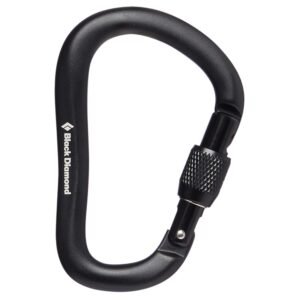
Black Diamond RockLock Review — Our Biggest, Toughest Locker
Read more →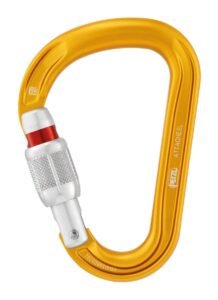
Petzl Attache Review — The Most Versatile First Locker
Read more →🚐 Road Trip Essentials
View all →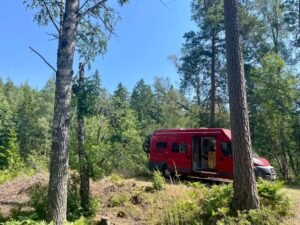
10 Underrated European Sport Climbing Destinations (That We Actually Drove To)
Read more →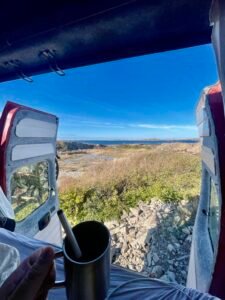
Van Life Electrical Setup 2026 — Our Exact Power System
Read more →📖 Climber's Handbook
View all →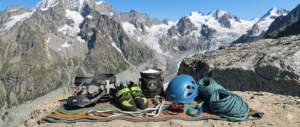
Beginner Climbing Gear List 2026 – Everything You Need to Start Climbing Outdoors
Read more →