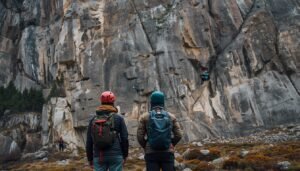
Marvão & Escusa Climbing Guide
Granite Bouldering Under a Medieval Fortress — Alto Alentejo, Portugal
🇵🇹 Alto Alentejo, Portugal | 🪨 Granite | 🏰 860m Fortress Village
| 📍 Location | Alto Alentejo, Portugal (near Spanish border) |
| 🚗 Distance from Lisbon | ~2h 45min (250 km via A6/IP2) |
| 🚗 Distance from Penha Garcia | ~1 hour (75 km south) |
| 🧗 Climbing Styles | Bouldering (Marvão), Sport (Escusa) |
| 🪨 Rock Type | Granite |
| 📏 Route Heights | 5–20m bouldering (Marvão), bolted sport (Escusa) |
| 🌤️ Best Season | March–May & September–November |
| 📶 Mobile Coverage | Good in village; limited at crags |
| 🚐 Van Parking | Use campsite — inside Serra de São Mamede Natural Park |
| 💰 Daily Budget | €10–20 (vanlife, self-catering) |
| 🗺️ Digital Topo | theCrag — Marvão / Escusa |
Want quartzite sport routes too?
Marvão & Escusa pair perfectly with Penha Garcia — 60+ quartzite routes in a stunning river gorge, just 1 hour north. Together they make one of Portugal’s best inland climbing road trips.
Penha Garcia Climbing Guide →Why Marvão & Escusa? Granite, a Fortress, and a Forgotten Valley
There’s a version of Portugal that most visiting climbers never see. They land in Lisbon, drive to Sintra or Arrábida, tick the classics, and head home. They miss the interior — and in the Alto Alentejo borderlands, that means missing Marvão.
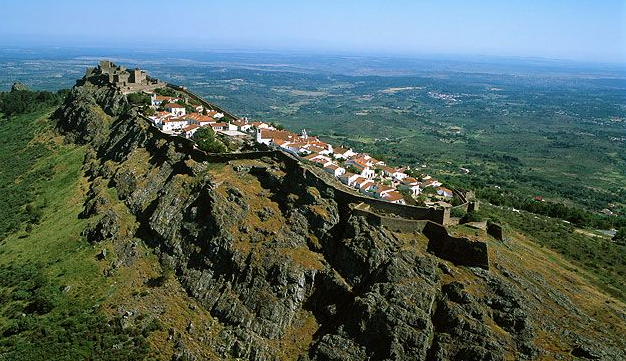
Marvão is one of those places that makes you stop the van, get out, and just stand there for a minute. The entire village — castle, walls, cobbled streets, whitewashed houses — sits perched on a granite shoulder at 860 metres, with views reaching into Spain on clear days. It is, objectively, one of the most dramatic settings for climbing you will find anywhere in Europe.
Five kilometres down into the valley, the village of Escusa provides the real heart of the area’s roped climbing. Developed by the local community, these granite outcrops offer high-quality bolted sport lines in a sheltered, forested environment. Think of the Marvão region as a dual-threat destination: bouldering under the fortress walls in the morning, followed by technical sport leads in Escusa as the sun dips.
Marvão — Bouldering Below a Fortress
We’re sport climbers ourselves so didn’t get on the bouldering at Marvão — but we spoke to a guy at the crag who rates it highly. The granite is coarse and textured, scattered among cork oaks and old stone terrace walls below the castle. Either way, the castle and village alone are worth the detour — genuinely one of the most dramatic spots in Portugal.
Escusa — Sport Climbing in the Valley
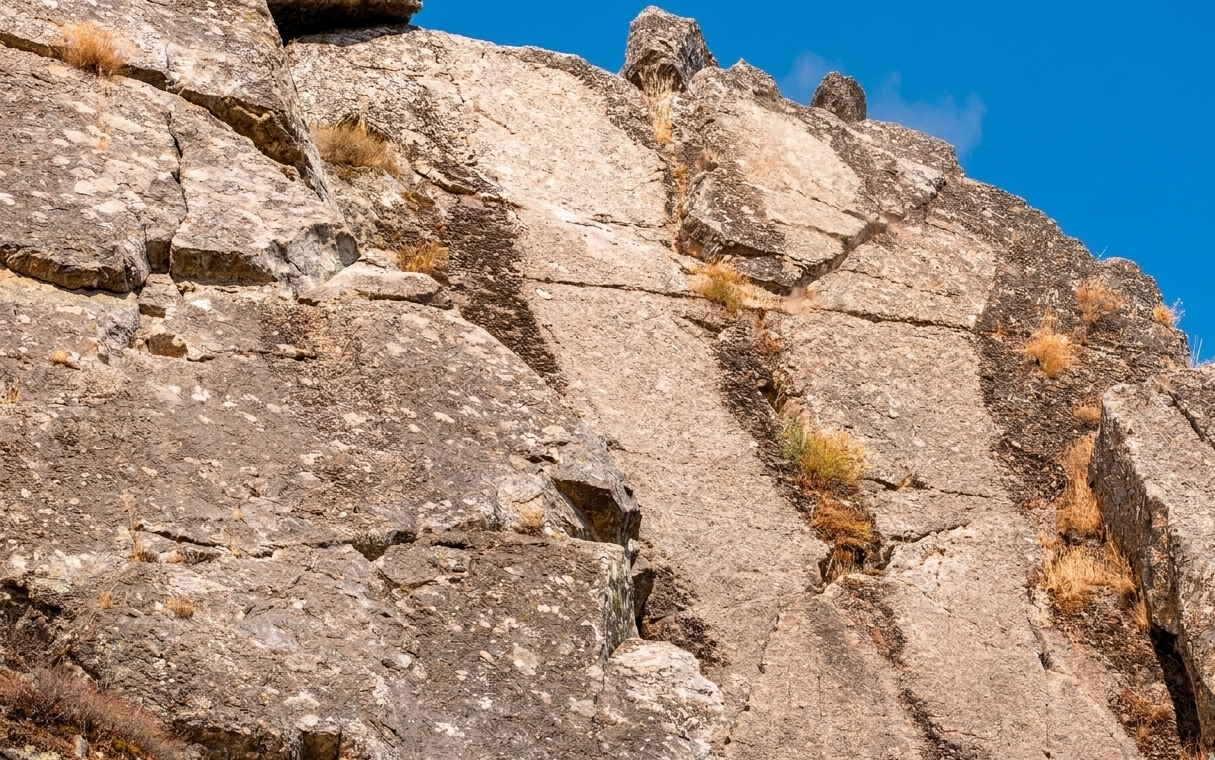
Escusa is located just a 5–10 minute drive (5 km) down from Marvão town into the valley below. This is where the area’s sport climbing is centred — granite outcrops developed by the local community, offering bolted routes in a more sheltered, forested environment compared to the exposed castle surroundings above.
The grades cover a solid intermediate range, making Escusa a great complement to a bouldering session at Marvão. The rock has the same coarse granite texture — good for friction moves and technical face climbing. It is a smaller venue than Penha Garcia but the quality of the lines is high and the atmosphere, tucked into the valley with no other climbers in sight, is exceptional.
Best Time to Climb — Seasonal Guide
Marvão sits at 860 metres, which gives it slightly cooler summers than the flat Alentejo plain below — but the surrounding area still gets genuinely hot in July and August. The Serra de São Mamede can also catch more rain in winter than the coast. Spring and autumn are the clear sweet spots.
| Season | Conditions | Temp (°C) | Recommended? | Notes |
|---|---|---|---|---|
| March–May | Warm, stable, low crowds | 14–22°C | ● Best | Ideal. Cool mornings, warm afternoons. Views over the Alentejo at their most dramatic. |
| June | Getting warm | 22–28°C | ● OK | Start early — morning bouldering at Marvão, then Escusa in the afternoon shade. Manageable with timing. |
| July–August | Hot and dry | 30–36°C | ● Avoid | Hot, even at altitude. Granite holds temperature well. Early morning sessions only. |
| September–November | Warm, stable, quieter | 16–25°C | ● Best | Excellent. Autumn light over the Alentejo plain is extraordinary. October is the standout month. |
| December–February | Cool, occasionally wet | 4–13°C | ● Possible | Cold and potentially wet. Serra de São Mamede catches more rain than the coast. Best on dry sunny days. |
Topos, Guidebooks & Digital Resources
Documentation for Marvão and Escusa is less comprehensive than for Penha Garcia, reflecting the area’s more exploratory character. Here’s what’s available as of 2026:
theCrag: The best digital source for the Marvão and Escusa area. Community notes, logbook entries and some user-uploaded photos give a reasonable picture of what’s there.
27Crags: Less coverage than theCrag for this specific area, but worth checking for any recent additions or community updates.
Best App 2026: For a full breakdown of which digital guide currently leads the pack for Iberian rock, see our [2026 Climbing App Comparison].
Portugal Rock Climbing — Climb Europe
The most complete English-language Portugal guidebook. Covers all 14 major areas including the Alentejo/Marvão region, with colour topos and approach notes.
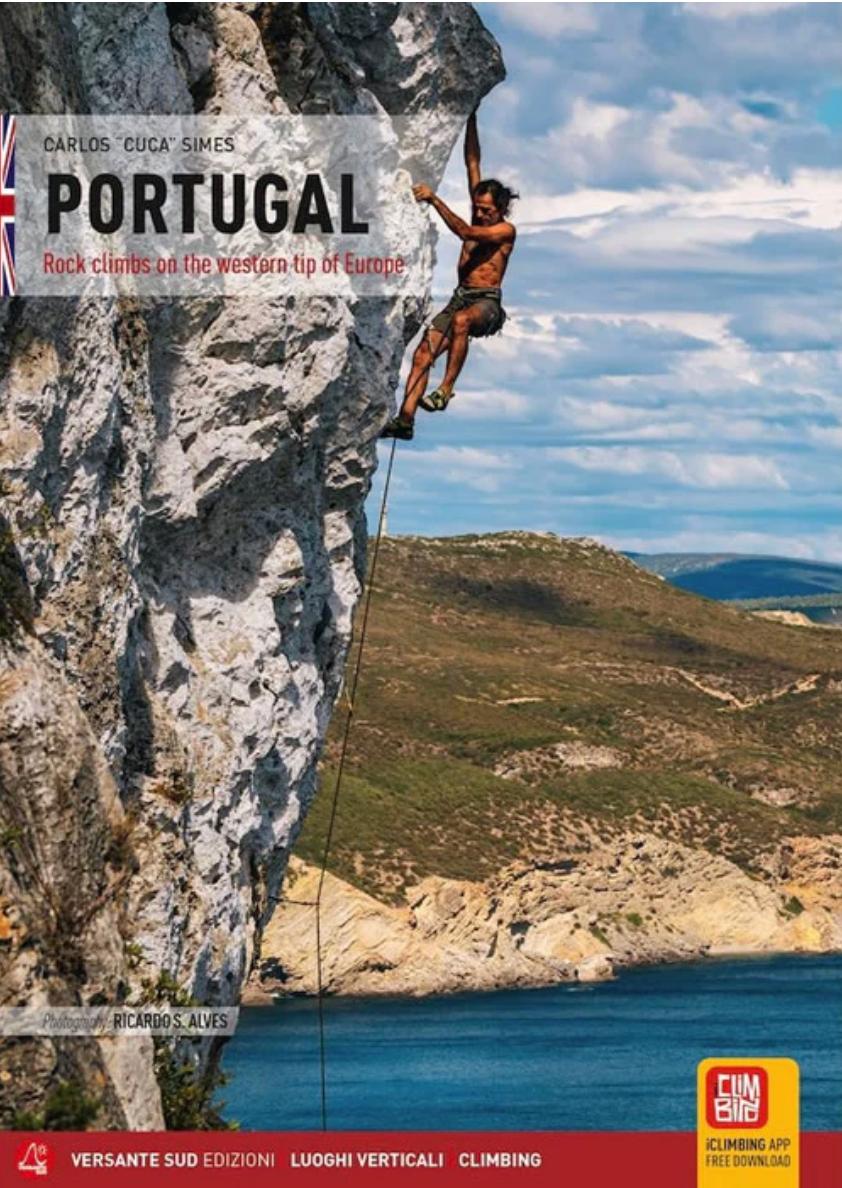 Buy — Climb Europe ↗
theCrag — Marvão / Escusa
Best digital resource for this area. Community notes, logbook and user photos give the clearest picture of current conditions and access.
 View on theCrag ↗
🚐 Van Access, Overnight Parking & Essentials
Marvão sits inside the Serra de São Mamede Natural Park, where wild camping regulations are more strictly enforced than in open inland areas. The Portuguese Highway Code (Article 50-A) prohibits overnight stays in motorhomes outside of designated “Area de Serviço para Autocaravanas” (ASA) or registered campsites. Inside the park, these rules are enforced to protect the ecosystem.
The good news: the two campsite options nearby are excellent, particularly Campscape Beira Marvão, which is one of the best-reviewed rural campsites in the entire country.
🅿️ Parking by Area
| Location | Type | Coordinates / Link | Notes |
|---|---|---|---|
| Marvão — Below castle | Day parking | Marvão village car park | Paid parking in season. Large enough for vans. Village access on foot from here. No overnight. |
| Campscape Beira Marvão | Campsite | campscapebeiramarvao.com | Adults-only, beautiful rural campsite 4km from Marvão. Pool (Apr–Oct), electricity, showers, bar. Highly reviewed. Recommended base for this area. |
| Just out of the City | Camper Area | Camper area Marvão | Water & Electricity available. Free 72 hours and perfect for a few nights before going to climb during the day. |
Practical Vanlife Essentials
💧 Water
Marvão village has several public fountains. The camper area also provides a proper tap to refill tanks.
🛒 Supplies
Marvão village has cafés and small shops. For full resupply, Portalegre is the closest town with a full supermarket. Castelo de Vide (10 km) has good options for fresh produce.
🏰 Culture
Allow time to walk the castle walls and village of Marvão itself — it is genuinely one of the most beautiful medieval villages in Portugal. Sunset from the ramparts is not to be missed.
🔌 Power & WiFi
Cafés in Marvão offer charging and WiFi. Campscape Beira Marvão has electricity hookups and free WiFi throughout. Signal at the crags is limited — download topos offline in advance.
🚽 Facilities
Zero toilet facilities at the crags. Use the village café or campsite facilities before heading out. Full Leave No Trace essential — this is a protected natural park.
🏥 Medical
Nearest hospital is in Portalegre (35 km from Marvão). Save the address offline — mobile signal at the crags is unreliable.
Getting There
From Lisbon (2h 45min)
Take the A6 east from Lisbon (direction Évora / Elvas), then continue on the IP2/E802 northbound toward Portalegre. From Portalegre, follow the N359 through Portagem and up to Marvão. The final approach road climbs steeply — the views open up dramatically as you near the village. For Escusa, descend 5 km back down the N359 toward Portagem.
From Penha Garcia (1 hour)
Head south from Penha Garcia on the IP2/E802 toward Portalegre, then follow signs to Marvão via the N359. The two crags sit naturally on the same inland road — this is one of the most scenic drives in Portugal.
From Spain
Cross at Valencia de Alcántara and head west — Marvão is visible on the hillside from the Portuguese side of the border. The border country setting adds to the sense of remoteness that makes this area so special.
Eat, Refuel & Local Life
In Marvão, the village restaurants are slightly more tourist-oriented given the medieval heritage tourism, but the quality remains high and the setting is unbeatable. The views from the castle ramparts at sunset, with a local cerveja in hand after a day on the granite, are worth the slightly higher prices compared to a roadside café.
The weekly market in Castelo de Vide (10 km from Marvão) runs on Saturdays and is excellent for fresh local produce — cheese, honey, cured meats and seasonal fruit. A perfect van resupply stop. The village of Portalegre (35 km) has a good range of restaurants serving traditional Alentejo cuisine: slow-cooked pork, black pork (porco preto), and the region’s excellent red wines.
Local Clubs, Community & Access
The climbing community on the Alentejo side is small and largely volunteer-run. The closest active club is:
- Clube de Montanhismo de Portalegre — covers the Alentejo/Marvão side. Small and volunteer-run but knowledgeable about local granite bouldering and access conditions in the Serra de São Mamede Natural Park.
- CAP (Clube de Alta Montanha de Portugal) — the national specialist climbing club, based in Lisbon. Their website (cap.pt) lists affiliated clubs and contacts across Portugal.
The best way to get up-to-date beta is to post in the theCrag comments section for the area, or to check recent activity on 27Crags. Given the natural park setting, it is also worth checking with the Instituto da Conservação da Natureza e das Florestas (ICNF) for any access restrictions or seasonal closures before visiting.
🧗 More RockVanLife Portugal Guides
❓ Frequently Asked Questions about Marvão & Escusa climbing Portugal
📌 Related Topics
📚 Helpful Climbing Resources
Essential guides, tips, and advice for your climbing adventures
🔧 Gear Lab
View all →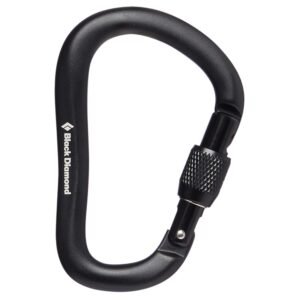
Black Diamond RockLock Review — Our Biggest, Toughest Locker
Read more →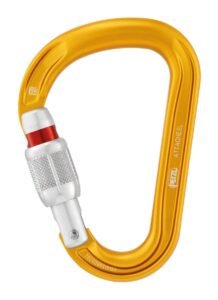
Petzl Attache Review — The Most Versatile First Locker
Read more →🚐 Road Trip Essentials
View all →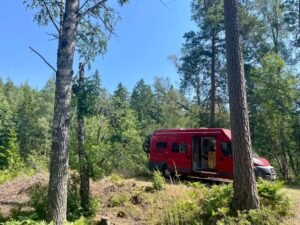
10 Underrated European Sport Climbing Destinations (That We Actually Drove To)
Read more →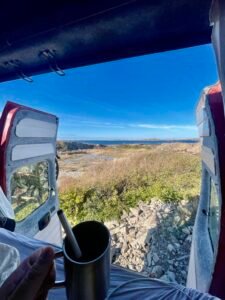
Van Life Electrical Setup 2026 — Our Exact Power System
Read more →📖 Climber's Handbook
View all →
Beginner Climbing Gear List 2026 – Everything You Need to Start Climbing Outdoors
Read more →