Best Travel Insurance for Rock Climbing 2026
The complete guide to protecting yourself on rock, ice, and mountains — including international health insurance for van lifers living on the road full-time.
Finding the right climbing insurance — proper travel insurance for rock climbing, not the standard policy that quietly excludes it — is one of the most important, and most confusing, things you’ll sort out before a climbing trip abroad.
⚠️ A personal note before anything else.
When we first hit the road, I skipped proper insurance. Figured the basics were enough — young, fit, climbing well. No falls, no accidents, no dramatic rescue story. What got me was my spine. Two bulging discs and a herniated disc. Suddenly we weren’t just dealing with pain — we were rerouting trips, skipping crags, abandoning objectives. And then came the real battle: fighting an insurer who refused to pay.
That fight is part of why I now have time to write this blog. I’m currently awaiting potential surgery.
Don’t be cheap. Don’t think it only happens to other people. When it hits, it hits hard — and it won’t be the way you imagined.
🤝 An honest note on affiliate links. As of September 2026, this post contains affiliate links for SafetyWing and True Traveller — meaning if you buy through those specific links, we may earn a small commission at no extra cost to you. Every other insurer on this page — including our #1 pick BMC, our #2 pick Battleface, Dogtag, Cigna, AXA and Allianz — pays us nothing. We earn zero commission on any of our top-ranked picks. Rankings on this page reflect what we genuinely recommend based on our own two years on the road, extensive research, and long conversations with fellow vanlifers. The affiliate relationship with SafetyWing changes nothing about their rank or our honest assessment. Give yourself the best cover you can. Read carefully. Do your own research.
We’ve been living and climbing from a van across Europe, Morocco, and beyond for two years. Insurance has covered osteopath visits, physio, specialist referrals, and screening — the unglamorous but genuinely useful stuff. Climbing carries real risk, but the everyday medical costs are what add up fastest when you’re living abroad full-time.
Most standard travel insurance explicitly excludes climbing. Read the small print and you’ll find “hazardous activities,” “technical climbing,” or “at altitude” followed by a long list of exclusions. That’s why we spent weeks researching, comparing, and calling insurers to find policies that actually cover what we do.
📊 Quick Comparison — Best Travel Insurance for Climbers 2026
Here’s how our five top climbing insurance picks stack up at a glance. Prices are approximate annual multi-trip premiums for a single UK-based adult aged 30. Scroll down for full reviews of each.
| Insurer | Price (from) | Climbing Cover | Altitude Limit | Medical Limit | Rescue Covered | Best For | Score |
|---|---|---|---|---|---|---|---|
| BMC Travel Insurance Our Pick | From £447.98/yr (Rock, solo) | Sport, trad, bouldering — up to 5,000m on Rock | 5,000m (Rock) – unlimited (High Altitude) | £10M | ✓ Mountain rescue inc., £100k cap | UK-based climbers | 9.2/10 |
| Battleface | ~£90/~€107/trip | Excellent — custom activity selection | 6,000m | $1M | ✓ S&R included | International climbers | 8.6/10 |
| True Traveller | ~£70/~€83/trip | Good with add-ons — trad included on Adventure Pack | 4,600m trekking / 6,000m mountaineering | £10M | ✓ Included if medically necessary | European sport & trad climbers | 8.3/10 |
| World Nomads Explorer Best for Nomads | £1,012.60/trip | Good — 200+ adventure activities | 6,500m | £10M | ✓ Evacuation inc. | Long-term travellers | 7.8/10 |
| Dogtag | ~£60/~€71/yr | Sport & trad — add-ons for alpine | 4,500m (ext. available) | £5M | ✓ CRIS included | Budget-conscious | 7.0/10 |
⚠️ A word on “vanlife-friendly” insurers and free advisor calls.
Be cautious of insurance brands that lean heavily into nomad and van life marketing. A slick Instagram aesthetic and the right buzzwords are not a substitute for genuine reviews from real people in the field. Search Trustpilot, Reddit, and Facebook expat groups — not their own website.
Similarly, if you’re offered a “free” call with an insurance advisor — know that they almost always earn commission on what they sell you. They may be knowledgeable, but they are not impartial, and they are almost certainly not vanlifers. They won’t know what it’s like to need a physio in rural Portugal or argue a claim from a campsite car park. Their expertise is in selling. Yours needs to be in choosing.
🔍 How Climbing Insurance Actually Works
Before spending a penny on insurance, you need to understand the basics — particularly the distinction between travel insurance and health insurance, and why neither automatically covers climbing.
Travel Insurance vs. Health Insurance: The Key Difference
Travel Insurance
Covers trip cancellation, baggage loss, medical emergencies during a trip, and emergency evacuation. Usually sold per-trip or annually. Designed for travellers — not long-term residents abroad. Pre-existing conditions are almost always excluded, though some (like True Traveller) allow you to declare conditions and pay an additional premium to have them covered.
Health Insurance
Covers ongoing medical care, routine treatment, prescriptions, and hospital stays. Designed for people who live abroad long-term. Essential for full-time vanlifers who spend months or years outside their home country. Always declare everything upfront; non-disclosure is the most common reason claims get rejected.
Combined Policies
Some policies blur these lines. World Nomads, for instance, can be extended almost indefinitely and bridges the gap between travel and health cover for nomads.
What “Climbing Cover” Actually Means
Insurers use wildly inconsistent language. Here’s what to look for in the policy wording:
| Activity | Typically Covered? | What to Check |
|---|---|---|
| Bouldering (no rope) | ✓ Usually yes | Listed under “rock climbing” or “outdoor pursuits” |
| Indoor climbing / wall | ✓ Almost always | Covered under general sports |
| Sport climbing (bolted, roped) | ~ Usually, check grade limits | Some policies cap at “below 4000m” or “with qualified guide” |
| Trad climbing | ~ Varies widely | May fall under “technical climbing” exclusions — check carefully |
| Multi-pitch (high routes) | ~ Often excluded at altitude | Check altitude limit (commonly 4000m or 6000m) |
| Alpine / high-altitude | ✗ Often excluded | Requires specialist alpine/expedition add-on |
| Via Ferrata | ~ Hit and miss | May be classed as climbing — clarify before purchasing |
| Guiding / professional climbing | ✗ Rarely covered | Requires professional liability — separate product entirely |
The 5-Step Insurance Claim Process
Incident Occurs
Fall, injury, illness, or emergency evacuation need. Keep calm, assess safety first.
Call the Emergency Line
Every insurer has a 24/7 emergency number. Call it before arranging private treatment where possible — they may need to pre-authorise costs.
Document Everything
Receipts, medical reports, police reports (if required), photos, witness statements. Save everything digitally. This is what your claim rides on.
Submit Your Claim
Usually online within 28–60 days of the incident. Include all documentation. Be honest — fraud voids all cover.
Follow Up
Claims can take weeks. Keep records of all correspondence. If disputed, escalate to the Financial Ombudsman (UK) or equivalent regulator.
💡 Pro Tip: Always read the activity schedule and the medical section of any policy before buying — not just the marketing page. Insurers are legally obliged to provide this, but they don’t always make it easy to find. Google “[insurer name] policy wording PDF” to find the actual document.
1. BMC Travel Insurance
🏆 Our Pick • Purpose-Built for UK Climbers, Walkers & Mountaineers
Real BMC quote, Sept 2026: UK resident, mid-30s, annual multi-trip, Rock policy, Europe cover. Add a partner: +£291.18 (couple total £739.16/yr). Alpine & Ski and other tiers are priced separately — get a live quote for your own age and trip type.
Our Review
If you’re a UK-based climber, BMC Travel Insurance is the gold standard — and it’s not particularly close. The BMC (British Mountaineering Council) has been designing insurance specifically for climbers, hillwalkers, and mountaineers since the 1970s. They know exactly what we do and exactly how to cover it.
For most readers of this blog, the Rock policy is the one that matters. It covers sport climbing, bouldering, speed climbing, and — the detail most insurers fudge — trad climbing, including multi-pitch and leader-placed protection, big walling and lead climbing, up to 5,000m. BMC’s own policy selector names Fontainebleau, Kalymnos, Costa Blanca, Yosemite, Val di Mello and the Dolomites as in-scope examples, which covers the overwhelming majority of European sport and trad climbing most of us actually do.
What Rock doesn’t cover: any snow or ice climbing, rock climbs with crevassed approaches or descents, and anything above 5,000m — for those you need the Alpine & Ski tier (6,500m) or, beyond that, High Altitude & Remote. Medical cover is £10 million across every tier, and mountain rescue — including helicopter evacuation — is included, capped at £100,000.
On price: a real September 2026 quote for a UK resident in their mid-30s, annual multi-trip, Rock policy, Europe cover, came to £447.98/year solo, or £739.16/year for a couple. That’s a meaningfully higher starting point than this post used to say — budget for it accordingly, and get your own quote, since age and trip length both move the number.
The only caveat: BMC Travel Insurance is only available to UK residents. If you’re based elsewhere, you’ll need one of the other options below.
Score Breakdown
Pros
- Purpose-built for climbers since the 1970s
- Rock policy covers trad — multi-pitch, leader-placed protection, big walling — not just sport and bouldering
- £10M medical, £100,000 mountain rescue cap — both industry-leading
- Genuinely clear coverage lists — BMC names exactly what’s in and out, no guessing
- Alpine & Ski and High Altitude tiers available if your objectives go bigger
- Backed by the climbing community’s own organisation
Cons
- UK residents only
- Meaningfully pricier than budget options — £447.98/yr solo for Rock alone (Sept 2026 quote)
- No snow/ice or crevassed-approach climbs on the Rock policy — needs the Alpine & Ski upgrade
- 5,000m cap on Rock; 8,000m+ still needs additional expedition cover
- Annual multi-trip has a per-trip duration limit
- Quote tool can be clunky to navigate
2. Battleface Adventure Travel Insurance
🌍 Best for International Climbers & Non-UK Residents
Real quote, Sept 2026: UK resident, mid-30s, solo, multi-country European trip, £250 excess. That figure is the base policy — climbing/adventure sports is a separate toggle at quote stage, so the real climbing-inclusive price will be higher. Confirm with the toggle switched on.
Our Review
Battleface fills the gap that BMC leaves for non-UK residents and international travellers. This is a specialist adventure insurer that builds a quote around individually toggled coverage sections — a real quote (UK resident, mid-30s, multi-country Europe trip, £250 excess) came to £841.81 with £10 million medical and £500,000 personal liability included as standard, before switching on the separate “Sports and Activities” toggle that climbing cover lives behind.
That’s meaningfully more medical cover than this post used to credit Battleface with, and the toggle-based quote builder means you can see exactly what you’re paying for rather than guessing what’s bundled. Search and rescue costs are included once Sports & Activities is switched on — a major tick for climbing in continental Europe.
What sets Battleface apart is availability across Europe: they underwrite policies for residents of almost every European country, making them the go-to option for European vanlifers of any nationality who need climbing-specific cover.
Score Breakdown
Pros
- Available to most nationalities worldwide
- Transparent, toggle-based quote builder — see exactly what you’re paying for
- £10 million medical — far higher than previously listed here
- £500,000 personal liability included as standard
- Search & rescue included once Sports & Activities is switched on
- Straightforward online quote and purchase
Cons
- Climbing cover isn’t automatic — you must switch on the Sports & Activities toggle at quote stage
- No published price list — every figure comes from the quote tool
- Gear cover relatively low (£2,000)
- No annual multi-trip option confirmed
5. Dogtag Adventure Insurance
Budget-Friendly Annual Policy — Read the Policy Wording Closely
Annual multi-trip, UK residents. Alpine add-on available.
Our Review
Dogtag offers the best annual multi-trip value for UK-based climbers who do multiple trips per year and don’t regularly venture above 4,500m. The standard policy covers sport climbing and trad climbing at all grades, with CRIS included — the feature that matters most for European crags.
The optional alpine extension raises the altitude limit to 6,000m, making it viable for significant Andean or East African objectives too. The extension adds roughly £20–30 to the annual premium, still making it competitive against BMC on price.
Best for: UK climbers doing regular European sport and trad trips who want strong annual cover without paying BMC membership on top.
⚠️ Worth knowing before you buy. A UKClimbing forum thread describes a dispute over exactly the ambiguity above — whether personal accident and liability cover applies to rock climbing specifically — plus weeks of unresolved contact with Dogtag’s outsourced call centre. Other posters in that thread moved to Snowcard, BMC, or an Alpine Club policy instead. We haven’t independently re-verified the current policy wording ourselves — read it closely, and put a specific question to their claims line before relying on this for a trip.
Score Breakdown
Pros
- Excellent annual value for frequent travellers
- All climbing grades covered, with add-ons for alpine
- CRIS mountain rescue included
- Alpine altitude extension available
Cons
- UK residents only
- £5M medical — lower than BMC
- Standard limit 4,500m (needs paid extension)
- Gear cover only as add-on
- UKC forum reports of coverage disputes and slow customer service — see note above
4. World Nomads Explorer Plan
🌍 Best for Long-Term Travellers & Van Life Nomads
Real UK quote, Sept 2026. Explorer at £1,012.60 vs. the cheaper Standard plan at £883.33 for the same trip — Standard skips missed-departure, transport-disruption and money cover, and caps medical at £5M instead of £10M. Priced per trip, not per month; renewable while already travelling.
Our Review
World Nomads has been the travel insurance standard for digital nomads and long-term travellers for years. The key advantage is the ability to purchase and renew the policy while already abroad — critical for vanlifers who set off without knowing exactly how long they’ll be on the road.
A real UK quote for a single trip put Explorer at £1,012.60 against Standard’s £883.33 — and Explorer is worth the difference: £10M medical instead of £5M, £3,000 gear cover instead of £1,500, plus missed-departure, transport-disruption and money cover that Standard simply doesn’t include. Rock climbing and mountaineering to 6,500m are both within Explorer’s 200+ covered adventure activities (always choose Explorer over Standard for climbing).
This is priced per trip rather than monthly, and for a full-time vanlifer stacking single-trip policies back to back, that adds up faster than an annual policy would. It’s strongest for trips of a few weeks to a few months — for a full year on the road, compare the running total against BMC or an annual multi-trip policy before committing.
Score Breakdown
Pros
- Can buy and renew while already abroad
- Available to 140+ nationalities
- £10M medical cover on Explorer — higher than we’d previously credited it with
- £3,000 gear/equipment cover
- 200+ adventure activities covered
- 6,500m altitude on Explorer
- 24/7 emergency assistance
Cons
- Per-trip pricing — stacking single trips for a full year gets expensive fast
- Standard plan excludes many climbing activities and caps medical at £5M
- Pre-existing conditions excluded
- Claims process can be slow
3. True Traveller
🇪🇺 Solid Option for European Sport Climbing Trips
Per-trip or annual multi-trip. UK & European residents. Price depends on which activity pack you add.
Our Review
True Traveller is a UK-based insurer that builds cover from a base policy plus activity packs, and for climbers the one that matters is the Adventure Pack: it covers rock climbing — outdoor, traditional, sport, bolted and aid climbing — plus trekking to 4,600m and via ferrata up to grade C. It explicitly excludes sea cliff climbing, ice climbing, and big wall routes over 450m, so check that against your objective.
We asked True Traveller directly about rescue costs, since this is the detail most insurers bury: helicopter and air ambulance rescue is included at no extra premium when it’s medically necessary — a broken leg is covered. The one exception is Nepal, where a higher £750/€900 excess applies specifically if the call-out is for something like altitude sickness rather than a clear medical emergency. That’s a genuinely fair way to handle it.
For actual technical mountaineering — ice, rock or mixed climbing with your own gear, as opposed to trekking — you need the Ultimate Pack, which covers up to 6,000m. True Traveller is upfront that this excludes remote/inaccessible regions, exploratory or new-route expeditions, and extreme objectives like an Everest summit attempt, and they’ll point you to the BMC for those rather than pretend to cover them. Don’t confuse mountaineering with trekking, either: non-technical walk-ups like Kilimanjaro or Nepal’s Mera and Island Peaks are trekking, covered under Adventure (to 4,600m) or Extreme (beyond), not Ultimate.
For van lifers specifically: the 18-month cap isn’t really a hard limit — True Traveller will extend cover if you’re still on the road when it expires, and you can make unlimited home visits without invalidating the policy. That directly solves the “trip duration trap” most annual policies create.
Score Breakdown
Pros
- £10M medical — excellent
- Helicopter/air ambulance rescue included at no extra cost when medically necessary
- Adventure Pack covers trad, not just sport, in one add-on
- Ultimate Pack option for real mountaineering to 6,000m
- 18-month duration, extendable while still travelling — genuinely van-life-friendly
- Available to UK and European residents
Cons
- Climbing cover requires the Adventure Pack add-on, at extra cost
- £750/€900 excess on non-emergency helicopter call-outs in Nepal specifically
- Excludes sea cliff, ice climbing, big walls over 450m on Adventure Pack
- Actual mountaineering needs the pricier Ultimate Pack
- Not as purpose-built as BMC
Snowcard — If You’re Not BMC-Eligible (or Want a Second Quote)
🇬🇧 FCA-Regulated UK Climbing Specialist
Real quote, Sept 2026: solo UK traveller, sport climbing + big wall climbing + bouldering selected, 10 Sep – 11 Dec 2026 (single trip, not annual). Big wall climbing pushed the required tier up to Adventure Max — sport climbing and bouldering alone need a lower, cheaper tier. Get your own quote for your actual activities and trip length.
Our Take
Snowcard comes up constantly in UKClimbing threads as the direct comparison point for BMC — worth quoting alongside it even if you do qualify for BMC, and it’s your main UK-regulated fallback if you don’t (same residency restriction as BMC, though: UK, Channel Islands and Isle of Man only, not wider Europe).
Like BMC, cover is tiered to the activity: sport climbing and bouldering sit in the entry Adventure tier, trad climbing (leader-placed protection, multi-pitch) needs Adventure Plus, and anything involving big-wall or multi-day ascents pushes you to their top Adventure Max/Expedition tier — which is what made our test quote as high as £1,678 for a 3-month single trip. £10 million medical and £2 million liability are standard on every tier, no matter which one you land on.
OEAV / Alpenverein — Austrian Alpine Club Membership Insurance
🇦🇹 The Option Half of Continental Europe’s Climbers Already Have
2027 fee schedule, alpenverein.at. Children under 18: €29/yr, free if both parents are members. Non-Austrian residents “may” pay an additional charge — not quantified on their site, confirm at sign-up.
Our Take
This isn’t a travel insurance policy in the usual sense — it’s alpine club membership that happens to come with genuinely strong rescue cover attached, and it’s enormously popular with German, Austrian and wider Central European climbers for one simple reason: at €79/year, it’s a fraction of what a dedicated travel policy costs, and the €25,000 rescue cover specifically includes “wayless area” — off-trail, alpine terrain — which is exactly where trad and alpine objectives actually happen.
It’s not a substitute for full travel or health insurance: €10,000 medical only covers the first eight weeks of a trip, and there’s no baggage, cancellation or gear cover here at all. Think of it as a very cheap, very good rescue-cost safety net to stack alongside proper travel insurance, not a replacement for one — which is exactly how most European members already use it.
🏥 International Health Insurance for Van Lifers
If you’re living in your van full-time — crossing borders every few weeks, spending months in Portugal, winter in Spain, spring in France — you’re not a “traveller” in the insurance sense. You’re an expat or nomad, and that changes your insurance needs significantly.
🚐 Why Van Lifers Need Something Different
Standard travel insurance is designed for people who are primarily resident in their home country and taking defined trips abroad. Most policies have annual trip duration limits (often 30–90 days per trip), and using them as your only cover whilst living abroad full-time may technically violate the policy terms.
After 90 days of continuous time abroad (or when you lose your permanent home address), you likely need:
- International health insurance for ongoing medical needs, GP visits, prescriptions
- Travel insurance on top (or a combined policy) for trip cancellation and emergency evacuation
The good news: international health insurance + a budget travel policy often costs less than you’d expect, and gives you far better cover than relying on a stretched travel policy alone.
A quick note before diving in. Cigna, AXA, and Allianz are not the same kind of company. Cigna and Allianz are genuinely enormous global insurers — decades of experience, massive provider networks, infrastructure to handle complex claims across borders. AXA sits in the same bracket. Then there are smaller, newer players who market themselves heavily to the nomad community. A slick website and van-life branding does not equal a good claims experience.
Whatever you choose — read recent reviews before signing anything. Not the testimonials on their own website. Trustpilot, Reddit, Facebook expat groups. Some smaller providers in this space have a particularly poor reputation for finding reasons to delay or reject claims exactly when you need them most. Some are US-based or Luxembourg-based, meaning they can break your contract and it becomes very hard to fight back. Be extremely careful.
Do your research. The cheapest or prettiest option is not always the one that actually pays out.
📊 Health Insurance Quick Comparison
Climbing insurance handles the rescue and evacuation side of an accident — international health insurance is the separate piece that covers everything else, from a GP visit to ongoing treatment, while you’re living abroad full-time.
| Provider | Monthly Cost | Cover Area | Hospital Cover | Outpatient? | Pre-existing? | Best For |
|---|---|---|---|---|---|---|
| Cigna Global Our Pick | From ~€140–200/mo | Worldwide (excl. US option available) | Up to $2M/yr (Gold) | ✓ Optional add-on | ~ Individual underwriting | Nomads wanting transparent pre-existing condition assessment |
| AXA Global Healthcare | From ~£900/yr (Foundation) | Europe & worldwide options | Varies by plan — not yet confirmed | ✓ Optional | ~ Moratorium basis | Climbers wanting a well-known European insurer |
| Allianz Care Premium | From ~€120–300/mo | Worldwide (Europe & beyond) | Unlimited (top plans) | ✓ Comprehensive | ~ Full medical review | Families & those wanting premium cover |
| SafetyWing Budget | From ~€50–140/mo | 180+ countries | $250K (Essential) / $1.5M (Complete) | ~ Complete plan only | ✗ Excluded | Budget-conscious nomads & short-term cover |
Cigna Global Health Insurance
🌍 Best International Health Insurance for Nomads with Pre-existing Conditions
Silver, Gold, and Platinum tiers. Available to EU/EEA and UK residents. Worldwide or worldwide excluding US options.
Our Review
Cigna Global is our top pick for vanlifers and climbing nomads who have pre-existing conditions and want an honest, transparent answer about what’s actually covered. When you apply, Cigna individually underwrites your application and gives you one of four clear outcomes — covered as standard, covered with a premium loading, covered with that condition excluded, or declined. It’s more effort upfront, but far more clarity when it matters.
The modular plan structure means you start with a core inpatient plan and add only what you need — outpatient care, dental, mental health, evacuation. For a vanlifer spending most of their time in Europe, the worldwide-excluding-US option brings the premium down significantly. The network is genuinely vast — over 2 million providers across 200+ countries — and direct billing is available at many hospitals.
For UK vanlifers post-Brexit: Cigna is available to UK residents living primarily in Europe and is one of the cleaner options for people who no longer have straightforward NHS access when abroad long-term.
Pros
- Individual underwriting — pre-existing conditions assessed case by case
- Clear outcome on application — no ambiguity
- Modular — pay only for what you need
- 2M+ provider network, direct billing available
- 24/7 multilingual support
- Mental health included as standard
- No maximum age limit
Cons
- More expensive than moratorium-based plans
- Outpatient care is an add-on, not included by default
- Application process takes longer due to underwriting
- App and online portal receive mixed reviews
AXA Global Healthcare — Foundation & Prestige Plus
🏥 Trusted European Brand with Strong Hospital Network Across the Continent
Real AXA examples, March 2026: 20-year-old in France on Foundation ~£903/yr; 20-year-old in the UK on Prestige Plus £5,894/yr; 30-year-old £11,281/yr. New-customer average £3,072/yr, median £2,010/yr. Age and country move this a lot — get a live quote.
Our Review
AXA is one of the largest insurers in Europe with an enormous hospital network across France, Spain, Portugal, Italy, Germany, and beyond. For a vanlifer whose circuit takes them through the core European climbing countries, that network breadth means you’re rarely far from a clinic that bills AXA directly, avoiding out-of-pocket payment and lengthy reimbursement waits.
AXA sells two individual international plans: Foundation, the entry tier, and Prestige Plus, the comprehensive one — and the price gap between them is large. A 20-year-old in France pays around £900/yr on Foundation; the same age on Prestige Plus in the UK is closer to £5,900/yr. Age, country and optional modules (outpatient, dental) all move the number significantly, so treat any headline figure as a starting point, not a quote.
Pros
- Enormous European hospital & clinic network
- Fully EU-regulated, priced in euros or sterling
- Strong brand — accepted widely across Europe
- Multilingual claims support
- Two clear tiers — Foundation vs Prestige Plus
- Available to UK expats as well as EU residents
Cons
- Prestige Plus is genuinely expensive — five figures a year for younger UK buyers
- Outpatient costs extra (not included in base)
- Pre-existing conditions on moratorium
- Annual commitment required
- Can feel corporate — less tailored to nomads
Allianz Care International Health Insurance
💎 Premium European Choice for Families & Comprehensive Cover
Three tiers: Care Base, Care Enhanced, Care Signature. Headquartered in Dublin (Ireland). Pricing not independently re-quoted — confirm at quote stage.
Our Review
Allianz Care — the international health arm of the German Allianz Group, headquartered in Dublin — is the benchmark for premium international health cover in Europe. Three tiers: Care Base caps around €1M/yr, Care Enhanced around €2M, and the top Care Signature tier around €3.7M — high enough to cover almost any real-world claim, but worth knowing it’s a large cap, not literally unlimited.
All plans are priced in euros, regulated under Irish (EU) law, and underwritten by one of Europe’s most financially robust insurers. Allianz Care has an excellent reputation for paying claims promptly and a 24/7 multilingual support line that actually works. For families travelling full-time in Europe, or anyone with a complex medical history, this is the product.
Pros
- High annual limits — up to ~€3.7M on Care Signature
- EU-regulated, priced in euros, based in Dublin
- Three clear tiers to match budget and need
- Preventative care included on higher tiers
- Excellent for families
- Outstanding claims reputation
- 24/7 multilingual support
Cons
- Expensive — significantly more than Cigna or AXA Foundation
- Annual commitment required
- Full medical underwriting needed
- Overkill for a healthy young solo vanlifer
SafetyWing Nomad Insurance
🚐 Best Affordable Travel Medical Insurance for European Van Lifers
Essential (rolling 28-day) and Complete (12-month commitment) plans. Available to non-US residents. No US coverage by default — add-on available.
Our Review
SafetyWing is the obvious choice for vanlifers who want solid emergency medical cover without paying Cigna prices. The Essential plan works like a subscription — you pay per 28-day rolling period and can start it whilst you’re already abroad, which suits the spontaneous reality of van life far better than policies you need to arrange before leaving home. There’s no excess, no complex underwriting, and it takes minutes to set up.
For a European vanlifer spending most of their time crossing borders between Spain, France, Italy and beyond, Essential covers the emergencies that actually matter — hospitalisation, ambulance, evacuation — and the adventure sports add-on extends this to climbing, which is a must for us. The Complete plan goes further, functioning as a genuine health insurance replacement with routine care, outpatient visits, cancer treatment, and mental health support — well worth considering if you’ve fully cut ties with a home-country health system.
Key limitation for vanlifers: Neither plan covers pre-existing conditions, and home-country coverage is capped at 30 days per 90-day period. If you’re returning to the UK or Germany for extended stretches, bear that in mind.
A word on reliability: We actually started with SafetyWing, and to note that they are registered in the Turks and Caicos Islands and Puerto Rico — outside EU and UK regulatory jurisdiction. That means they are not bound by the consumer protections that European insurers must follow. In practice, they can amend policy terms, withdraw coverage, or exit a market with far less obligation to policyholders than an FCA- or EIOPA-regulated provider would have. For a short trip, that’s a manageable risk. For long-term van life where this is your only health cover, it’s worth weighing seriously. We decided to cancel and went elsewhere
Pros
- More affordable — Essential from ~€50/month for under-40s
- Buy and activate whilst already abroad
- No excess on either plan
- Adventure sports add-on available (covers climbing)
- Rolling 28-day Essential plan — no long-term commitment
- Fast claims — reimbursed in under 3 days on average as per reviews
- 24/7 live chat with real people
Cons
- No pre-existing condition cover on either plan
- Registered outside EU/UK jurisdiction — not bound by European consumer protection rules
- Can amend terms or withdraw coverage with limited regulatory oversight
- Essential has a €250,000 annual cap — low for serious incidents
- Outpatient and routine care only on the Complete plan
- Complete requires a 12-month commitment upfront
🧭 Buying Guide — Best Travel Insurance for Rock Climbing – What to Look For
The Non-Negotiables for Climbing Insurance
The right climbing insurance covers the specific grade, altitude and activity you’re actually doing — not a generic “adventure sports” tick-box. When comparing policies, these are the things we consider essential — any policy missing them is a no from us:
Climbing Explicitly Included
The activity schedule must explicitly name your type of climbing. “Outdoor pursuits” is not enough. “Rock climbing with ropes” or “trad climbing” must appear.
Rescue & Evacuation Costs
Mountain rescue is not free in most of Europe. Your policy must cover CRIS (Costs of Rescue in Mountains) or equivalent. €20,000+ helicopter bills are real.
Medical Limit of £5M+
Serious accidents in remote locations with hospital stays, surgery, and repatriation can easily exceed £500,000. Don’t skimp on the medical limit.
Altitude Limit Suits Your Plans
4,000m covers the Alps. 6,000m covers East Africa and Andes. 7,000m (BMC) covers almost everything short of 8,000m peaks.
24/7 Emergency Assistance
When you’re hanging off a ledge in the Dolomites at 3am, you need a human on the phone — not a voicemail. Verify the emergency line is genuinely 24/7 and multilingual.
Read the Actual Policy Wording
Marketing pages lie. Download the full policy document and search for “climbing,” “altitude,” “hazardous activities,” and “exclusions.” Ten minutes of reading can save thousands.
Do I Need Separate Gear Insurance?
Not necessarily, but it could be worth it if you own serious kit. Travel insurance gear limits are typically £500–3,000 and often exclude ropes (considered “consumables” by some insurers), cams and wires, items left unattended at the base of a route, and wear and tear. Specialist gear insurance from providers like BMC Gear Insurance covers these gaps properly. If your rack is worth £2,000+, a separate policy is worth considering.
🚐 Van Life-Specific Insurance Tips
Living on the road full-time creates specific insurance challenges that most providers haven’t thought about. Here’s what we’ve learned the hard way:
🏠 The “Home Address” Problem: Most travel insurance requires you to have a permanent home address in your country of residence. If you’ve given up your flat and live in the van full-time, some insurers will argue you’re not eligible. Use a family member’s address or a registered address service — and always disclose if asked directly.
📅 The “Trip Duration” Trap: Annual travel policies typically limit individual trips to 30, 45, or 90 days. If you cross back into the UK for a weekend every 3 months, technically each re-entry starts a new “trip.” But spending 5 months in Portugal counts as one long trip — check your policy wording carefully. World Nomads and international health insurance avoid this problem entirely.
⚠️ Van Contents Are NOT Covered by Travel Insurance: Your climbing gear in the van, your laptop, your camera, your tools — none of this is covered by travel insurance, which covers your luggage on a trip, not your property at your residence. You need specialist van/motorhome insurance with contents cover. This is a separate product entirely.
🪪 EHIC / GHIC — Use Your Free Safety Net First
If you’re an EU citizen, your EHIC (European Health Insurance Card) gives you access to state healthcare across all EU/EEA countries at the same rate as a local. It’s free and should always be your first port of call for non-emergency treatment. Check it’s valid and not expired before you leave.
If you’re a UK resident, the post-Brexit equivalent is the GHIC (Global Health Insurance Card) — free to apply for at nhs.uk. It covers state healthcare in EU countries but not Switzerland, Norway, or Iceland.
Neither card is a substitute for proper insurance — they won’t cover repatriation, private treatment, or rescue costs. But they reduce your out-of-pocket costs significantly.
🛡️ Our Recommended Van Life Insurance Stack
After two years on the road in Europe combining climbing insurance with separate health cover, here’s what our actual setup looks like:
- Travel Insurance (annual) — covers all climbing activities and emergency medical abroad (Non-UK Europeans: Battleface per trip, or True Traveller annual)
- International Health Insurance — covers routine medical, GP visits, physio, and ongoing health needs while living full-time in Europe
- Van / motorhome insurance with European breakdown — covers the vehicle, contents and roadside rescue
- GHIC / EHIC card — free EU/EEA state healthcare backup, always carry it
Total cost: approximately £80/95€ + £150/month + van insurance. For full-time life on European roads, this gives complete peace of mind without gaps.
🧗 Complete Your Van Life Climbing Setup
Good insurance is just one part of a well-prepared climbing van. Check out our other essential guides:
Planning a climbing trip? See our destination guides for Spain, Portugal, Wales & more →
Our Final Recommendations for the Best Travel Insurance for Rock Climbing 2026
Bottom line: the right climbing insurance depends on where you live and how you climb. Here’s our final take.
UK-based climbers: BMC Travel Insurance is the clear winner — purpose-built, best altitude limits, best medical cover, mountain rescue included.
International climbers / non-UK residents: Battleface is our pick — wide availability, clear activity selection, solid climbing cover.
Full-time European vanlifers: Stack BMC or Battleface travel insurance with Cigna for routine medical needs. Add a GHIC/EHIC card as a free EU state healthcare backup.
Never climb abroad without insurance. The crags will be there next year — make sure you are too. 🧗
Best Travel Insurance for Rock Climbing – Frequently Asked Questions
Does standard travel insurance cover rock climbing?
Almost certainly not without either specialist climbing insurance or a specific add-on. Most standard travel insurance policies — the kind bundled with premium bank accounts or bought from comparison sites — explicitly exclude “hazardous activities” including rock climbing, technical climbing, mountaineering, and often bouldering above a certain height. Always read the activity schedule, and never assume you’re covered. If in doubt, call the insurer directly and ask them to confirm in writing.
Is sport climbing different to trad climbing for insurance purposes?
Yes — and this distinction matters. Many policies that include sport climbing (bolted routes, fixed anchors) explicitly exclude traditional (trad) climbing, which is seen as higher risk due to placed protection. Always check that your specific type of climbing is named in the policy schedule. If you want to do both sport and trad, make sure both are explicitly covered.
What happens if mountain rescue is called for me in France or Spain?
In countries like France, Switzerland, and Austria, mountain rescue services — including helicopter evacuation — are charged to the rescued party. Costs can range from a few hundred euros for a straightforward call-out to €20,000–50,000+ for a complex multi-helicopter rescue in the Alps. Your travel insurance must explicitly cover “mountain rescue costs” or “CRIS (Costs of Rescue in Mountains)” — this is separate from your medical cover limit. BMC, Dogtag, and Battleface all include this as standard. Spain’s rescue service (Guardia Civil) is currently free, but this can change.
Can I get travel insurance if I have a pre-existing medical condition?
Yes, but it’s more complicated. Most travel insurers will cover pre-existing conditions if disclosed at purchase — often at an additional premium. For international health insurance (like Cigna or Allianz Care), pre-existing conditions are typically handled via either a “moratorium” (excluded for the first 1–2 years, then covered if symptom-free) or a “full medical underwriting” approach. Always disclose honestly — non-disclosure voids claims.
I’m living in my van full-time. Do I qualify for travel insurance?
This depends on the insurer and how they define “residency.” Most travel insurers require you to be ordinarily resident in your home country. If you’ve given up a permanent home and live full-time in a van, some insurers may argue you don’t qualify. Practically, most van lifers maintain a registered address (family home, mail forwarding service) which resolves this. Always declare your living situation honestly if directly asked.
Does my gear (rack, ropes, cams) get covered by travel insurance?
Usually only partially. Travel insurance typically covers “personal baggage” up to a limit (£500–3,000 depending on policy), with single-item limits of £250–500. Items left unattended (at the base of a route) are almost never covered. Specialist outdoor gear insurance — such as BMC Gear Insurance — covers climbing equipment properly, including theft and accidental damage, and is worth considering if your kit is worth more than £1,000.
What altitude does travel insurance typically cover?
This varies enormously. Many standard travel policies cover up to 2,000m or 3,000m — fine for most walking, but inadequate for alpine climbing. Specialist climbing insurers typically offer 4,000–4,600m (standard), 6,000–6,500m (extended), and BMC’s tiered structure goes right up to unlimited on their High Altitude & Remote policy. Beyond 6,500m generally requires a dedicated expedition or high-altitude tier. Always check the specific altitude limit in your policy, not just the marketing copy.
Should I get travel insurance or international health insurance as a vanlifer?
Ideally both, but for different purposes. Travel insurance (BMC, Battleface, etc.) handles trip cancellation, emergency evacuation, mountain rescue, and large medical emergencies. International health insurance (Cigna, AXA Global Healthcare) handles ongoing healthcare needs — GP visits, prescriptions, physio, routine medical care across Europe. For short climbing trips (under 3 months), travel insurance alone may be sufficient. For full-time van life, you likely need both.
What should I do immediately after a climbing accident abroad?
1) Ensure safety — call mountain rescue (112 is the EU emergency number) if needed. 2) Seek medical attention — prioritise your health over paperwork. 3) Call your insurer’s 24/7 emergency line as soon as practically possible — before arranging private treatment if you can, as they may need to pre-authorise costs. 4) Document everything — get copies of all medical reports, receipts, and invoices. 5) Take photos of the scene and any relevant evidence. 6) Submit your claim within the policy’s specified timeframe (usually 28–60 days). Keep records of every conversation with your insurer, including dates, times, and names.
🇺🇸 A Note for US-Based Readers
This guide is written primarily for European climbers and van lifers — the products, pricing, regulatory context, and recommendations are all European-relevant. If you’re based in the United States, here’s a quick steer:
- Travel insurance for climbing trips to Europe: World Nomads Explorer Plan and Battleface both underwrite policies for US residents and include climbing activities.
- International health insurance: SafetyWing Nomad Health and Cigna Global Health Options are the most widely used options among US-based nomads abroad. Cigna and AXA Global Healthcare are EU-regulated products and are generally not available to US residents.
- Domestic US climbing: US-specific insurers like Markel and Thimble cover climbing accidents domestically. The American Alpine Club (AAC) also offers member insurance worth investigating.
- Rescue costs in the US: Helicopter evacuation can cost $20,000–50,000+ and is not reliably free. Ensure your policy explicitly covers emergency evacuation.
We may expand this guide with a dedicated US section in future — drop us a message if that would be useful.
Insurance & Cover Topic Index
Keywords: Best Travel Insurance Climbing 2026 • Adventure Travel Insurance UK • Climbing Insurance Europe • BMC Travel Insurance Review • International Health Insurance Nomads • Van Life Insurance Guide • Mountain Rescue Insurance • Trad Climbing Insurance Cover • AXA Health International Europe • World Nomads Explorer Climbing • Battleface Adventure Insurance • Altitude Limit Travel Insurance • CRIS Mountain Rescue Costs • International Health Insurance Expats • Climbing Gear Insurance UK
🧗 Explore Our Climbing Guides
Detailed crag guides from our van life climbing adventures across Europe
🇪🇸 Spain
🇫🇷 France
🇵🇹 Portugal
🇬🇧 UK
🇮🇹 Italy
📚 Helpful Climbing Resources
Essential guides, tips, and advice for your climbing adventures
🔧 Gear Lab
View all →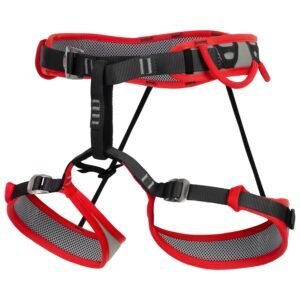
DMM Renegade Review: Four Years on My Trad Harness
Read more →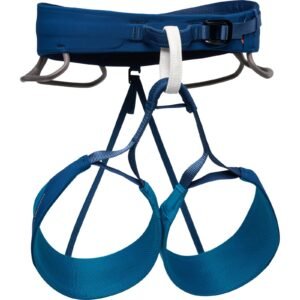
Black Diamond Solution Review — The All-Rounder, Updated for 2026
Read more →🚐 Road Trip Essentials
View all →
10 Underrated European Sport Climbing Destinations (That We Actually Drove To)
Read more →
Van Life Electrical Setup 2026 — Our Exact Power System
Read more →📖 Climber's Handbook
View all →
Beginner Climbing Gear List 2026 – Everything You Need to Start Climbing Outdoors
Read more →