Beginner Climbing Gear List 2026 – What to Buy and When
You’ve done the course. You’ve felt the rock. Now the gear shop looms and everyone has an opinion. Here is the honest, experience-reviewed guide to everything you actually need — and exactly when to buy it.
Sport Climbing: Building Your First Rack
Phase 1 — Sport ClimbingSport climbing is the logical entry point for most climbers moving from courses to independent outdoor climbing. The protection is already in the wall — you clip pre-placed bolts rather than placing your own gear — and this removes one entire layer of decision-making and equipment complexity. Your first outdoor rack as a sport climber is achievable for between £350–550 / €400–650 if you buy carefully, and every piece of it is also what you’ll use as a foundation if and when you move into trad climbing later.
Here is every item, in order of priority, with honest guidance on what to buy, what to avoid, and where to find it.
1. The Harness — Your Most Personal Piece of Gear
The harness is the one piece of gear where comfort is not a luxury — it is a safety factor. An uncomfortable harness causes you to rush, to squirm, to think about your body rather than the climb. And a harness that doesn’t fit correctly is a harness that may not perform as tested in a fall. So the rule here is: try before you buy, and prioritise fit over brand loyalty.
For a beginner sport climber, you do not need an expensive, feather-light performance harness. You need something padded, properly sized, with a solid belay loop and at least two gear loops. The Black Diamond Solution and Petzl Corax are the two harnesses that dominate this category for good reason: both offer generous padding for long hanging sessions, fully adjustable leg loops that accommodate different clothing layers, and reliable construction at a price that doesn’t feel punitive for a first purchase. Either will serve you well for years.
The Black Diamond Solution auto-adjusting speed buckle makes getting into the harness fast and reliable — useful when you’re still building muscle memory for kit checks. The Petzl Corax ‘s fully adjustable leg loops make it more versatile across different body shapes and particularly good if you’re unsure how your proportions relate to standard sizing. If you intend to also use your harness for trad climbing as your skills develop, the DMM Renegade (a small step up in price) adds the extra gear loops that trad rack management requires and is worth the additional investment from the start.
One thing to absolutely avoid: buying a harness online without trying it on first. Sizing varies significantly between brands. A Medium in Black Diamond is not the same as a Medium in Mammut. Go to a shop, try four different harnesses, hang in each one if possible, and then buy the one that fit best — whether from the shop or from your preferred retailer.
2. Climbing Shoes — The Gear That Changes Everything
No piece of gear will change your climbing more immediately and dramatically than your first pair of properly fitted climbing shoes. Borrowed shoes are fine for a course. For your own outdoor climbing, they are a significant handicap — every time you slip off a foothold, there is a real possibility it is the shoe rather than the climber, and that is demoralising in a way that stunts technical development.
Fit is everything, and fit starts before you think about brand or model. Think about your foot shape first. Are your toes roughly the same length, or does your big toe dominate? Do you have a narrow heel, a wide forefoot, a high arch? Different lasts are built for different anatomies, and a shoe that works brilliantly for one climber will never feel right on another foot regardless of reputation or price. Shape comes first. Brand and model come after.
Climbing shoes are one of the few pieces of gear where some discomfort at the start is expected — the rubber and materials break in over sessions, moulding gradually to your foot until what felt tight becomes precise. Sizing down is standard practice, somewhere between half a size and three sizes depending on the shoe and your foot, but there is no universal rule. That said, the climbing world has a well-established culture of wearing shoes painfully tight that is worth ignoring at your level. It exists to serve elite climbers on overhanging limestone who need maximum precision in the toe box. Wearing shoes that genuinely hurt makes you hesitant on footwork, shortens your sessions, and teaches you nothing. Aim for snug — no dead space around the toes, no heel lift — without active pain.
My strongest advice: go to a proper climbing shop, find someone who actually climbs, and give them your time. It took me two hours to choose my first pair. I have bought the exact same model and size every year for five years since. That is what two hours with the right person gets you. A full post on how to choose climbing shoes is coming soon — but for a Beginner Climbing Gear pack, I cannot in good conscience point you toward a specific model. The right shoe is the one that fits your foot, not the one that fits a list.
3. The Belay Device — Simple, Reliable, Non-Negotiable
The belay device is the piece of gear that controls the rope during belaying — allowing you to take in slack, hold a fall, and lower your partner. There are two dominant categories: tube-style devices (simple, light, cheap, versatile) and assisted-braking devices (add a mechanical braking action that assists in holding falls, more expensive, slightly more complex to operate).
For beginners, the honest answer is: start with a tube-style device and learn it properly. The DMM Pivot costs around £30/€45 and will do everything you need for single-pitch sport climbing, multi-pitch sport routes, and basic trad belaying. It is the device most widely used in climbing courses across Europe precisely because it teaches good technique — you feel the rope, you develop your brake hand instincts, and you understand what the device is doing and why.
The Petzl GriGri is the most popular assisted-braking device in the world. It adds a cam mechanism that locks the rope if it accelerates — meaning it assists you in holding a fall rather than relying solely on hand position. It is mainly used for Sport due to its feature and would require a new device would you update your pack to Trad Climbing Gear later on.
You will also need an HMS pear-shaped carabiner — this is the locking carabiner that connects your belay device to your harness. Buy a locking carabiner with a screwgate (manual locking) rather than an auto-lock for your first belay device — auto-locks add complexity for beginners and screwgates, when used correctly, are perfectly reliable. The DMM Pivot can be bought as a pack on Alpinetrek and is a solid choice based on your need. For a full breakdown of carabiner types, shapes, and what to look for as a beginner, see our Best Climbing Carabiners guide →
4. The Rope — Your Most Expensive First Purchase
The rope is the most significant single purchase in your first climbing kit, and also the one where the temptation to save money has the most serious potential consequences. A cheap harness is uncomfortable. A cheap rope can fail. The good news is that you do not need to spend professional-level money on a rope — but you do need to buy from reputable manufacturers within a sensible price range, and understand the basics of rope care.
For sport climbing in Europe, the standard is a single dynamic rope, 9.5–10mm diameter, 60–70m in length. Thinner ropes (9.2mm and below) are lighter and handle better but wear faster and cost more — these are performance tools for experienced climbers, not beginner purchases. A 9.8–10mm rope gives you durability, good handling characteristics, and forgiving behaviour under repeated falls during sessions where you’re working on a route.
Length: 60m covers the majority of single-pitch sport routes in Europe. However, many crags — particularly in Spain, France, and the Dolomites — have routes up to 35m long that require a 70m rope to lower safely from the anchor. If you’re planning to climb at varied destinations, buy 70m from the start. The extra 10 metres adds perhaps 500g to your bag and £15–£20 to the price but removes the anxiety of being at a crag and discovering your rope is too short.
Two ropes stand out at different ends of the beginner spectrum. The Mammut 9.5 Crag Dry is the safer first purchase — 9.5mm hits the sweet spot between durability and handling, the dry treatment is genuine rather than token, and it will last several seasons of regular climbing without feeling like a compromise. If you’re confident climbing is a long-term commitment and want to buy once and buy well, the Sterling Aero 9.2 XEROS is the rope serious climbers reach for — lighter, suppler, and with dry treatment that genuinely performs in wet conditions. It costs more but it’s the kind of rope you stop thinking about, which is exactly what you want. Both are covered in detail in our full Climbing Rope guide →
Dry treatment: If you are climbing outdoors in variable conditions — which you will be, because the weather in most of Europe is variable — a dry-treated rope is worth the extra £20–30/€25–35. Untreated ropes absorb water, become heavy, lose performance, and deteriorate faster. Dry treatment is not a luxury addition; it is straightforward value over the rope’s lifespan.
5. Quickdraws & Carabiners — Your Connection to the Wall
Quickdraws are the pieces that connect you to the bolts in the wall. Each consists of two carabiners linked by a short sewn sling — the top carabiner clips the bolt, the bottom clips the rope. For single-pitch sport climbing, a rack of 10–12 draws covers the vast majority of routes in Europe, where most sport routes have 8–12 clips between ground and anchor.
A good beginner quickdraw has three qualities: a straight gate on the bolt-end for easy clipping, a bent or wire gate on the rope-end for fast one-handed clipping while climbing, and a keeper that prevents the rope carabiner from rotating — rotating carabiners cause the gate to sit against the sling, reducing gate strength. The Black Diamond HotWire and Petzl Spirit dominate climbing bags at European sport crags for good reason — both use wire gates, both come in multi-packs at sensible prices, and both last years of regular use.
Extendable draws: A set of 2–3 extendable draws (a carabiner on each end of a 60cm sling) is worth having even as a beginner — essential for reducing rope drag on wandering routes, which you will encounter.
Beyond quickdraws, you need at least two additional locking carabiners — one for building anchors, one spare to belay. The HMS pear shape is the most versatile: it works with your belay device, for anchor building, and for clipping into fixed points. Any UIAA-certified HMS screwgate from a reputable maker is fine; you do not need to spend performance money here.
The shapes, gate types, and nose designs matter more than most beginners realise — a keylock nose prevents snagging on bolt hangers, wire gates are lighter and less prone to flutter-opening in a fall, and gate strength varies significantly between budget and quality carabiners. Our go-to recommendation for most beginners is the Petzl Attaché HMS — reliable, well-priced, and works perfectly for belaying and anchor building. If you’re planning to move into trad or want one carabiner that does everything exceptionally well, the DMM Phantom HMS is worth the extra investment — lighter, exceptionally smooth gate action, and built to last years of heavy use. For a full breakdown of what to look for, see our dedicated guide.
6. Slings — Small But Essential From Day One
Slings are one of those pieces of gear that nobody puts on the beginner list — and then every experienced climber wonders how you were supposed to manage without them. For sport climbing, you need at least one sling to build an anchor at the top of a route and clean it safely. Without one, you are improvising at the chains with whatever you have clipped to your harness, which is not where you want to be learning.
Start with one: a 60cm sling for anchor building. That is enough for sport climbing. Nylon over Dyneema for your first rack — more forgiving, cheaper, and perfectly adequate for everything you will encounter as a beginner.
7. The Helmet — The One You’ll Be Glad You Bought
The climbing community has a complicated relationship with helmets. Many experienced sport climbers climb without them at indoor or polished single-pitch crags with no overhead hazard. This guide is not going to lecture you into wearing a helmet when you’ve decided not to — but it is going to be direct about when a helmet is non-negotiable: multi-pitch climbing, any natural outdoor crag, and any situation where there is rock above you or above your climbing partner.
Helmets protect against two things: rockfall from above (which happens without warning at outdoor crags, caused by other climbers, weather, or natural erosion) and impact to the head during a fall (which can occur if you pendulum, if you flip upside down, or if the wall has features that your head might contact). Neither of these is a theoretical risk — both happen to real climbers at real crags every year.
Helmet selection looks simple until you try a few on and realise how differently they fit. Head shape, size, and even hair make a real difference — I have a small head and long hair, so I use the Petzl Meteora , which fits narrow heads well and has a rear clip that actually accommodates a ponytail without the helmet sitting awkwardly (Now replaced with the Petzl Sirocco . My partner climbs in the Black Diamond Half Dome and it suits her perfectly — robust, well-ventilated, adjustable across a wide size range, and one of the most popular entry-level helmets in Europe for good reason. Same principle as shoes: try before you buy.
As a starting point, the Black Diamond Half Dome and Petzl Boreo cover most head shapes at a sensible price and are genuinely hard to go wrong with. If weight matters to you — and it will once you’re carrying a full rack up long approaches — the Petzl Sirocco and Black Diamond Vapor are ultralight foam-shell options worth looking at, though at a higher price point. Buy the lightweight helmet once you know you’ll be carrying it regularly enough to justify it.
One thing that does not change regardless of which helmet you choose: a helmet that lives in your bag is not protecting your head. Put it on when you arrive at the crag, take it off when you leave. Make it automatic from the start.
8. Chalk Bag & Chalk — Small Purchase, Real Difference
Chalk absorbs moisture from your hands, improving friction against the rock. At grades below about 6b, it makes a modest difference. Above that, on sustained sequences where your hands sweat under exertion, it becomes genuinely significant. Get a chalk bag from the start — they are cheap, last indefinitely, and the habit of chalking up before hard moves is a useful technique signal to develop early. And here is my honest tip: unless you want a specific design or are treating yourself, you probably don’t need to buy one at all to start. Check your climbing gym’s lost and found first — chalk bags accumulate there in surprising numbers, and most gyms are happy to give them away.
The chalk bag itself is simple: it should have a rigid or semi-rigid opening (so it stays open while you reach in during a climb), a belt loop or clip for wearing around your waist, and a closure to prevent spillage in your backpack. That is all it needs to do. Any branded bag from a reputable climbing company will do this — Wild Country, Black Diamond, Mammut, and Edelrid all make bags in this price range that work perfectly and last years.
For chalk, buy loose chalk in powder or small-chunk form from a climbing shop. Liquid chalk (a suspension of chalk in alcohol) is excellent for warm-ups and for reducing dust in indoor gyms but is not a substitute for loose chalk outdoors. Block chalk works well but creates more dust than pre-crushed chunk chalk. A 100g bag of loose chalk is enough for several full sessions and costs around £5–8/€6–9 — refill when it gets low rather than waiting until it’s empty and discovering you’re chalking up on a route with nothing left.
A note on chalk and the environment: Some crags — particularly in National Parks and sensitive limestone areas — either prohibit chalk or ask climbers to use it sparingly and brush holds after use. Check crag-specific access information before your visit. Tick marks (chalk lines across holds to help find them) should always be brushed away after your session regardless of location.
9. The Crag Backpack — Your Kit Room on Your Back
A climbing-specific backpack is not just a bag — it is the system that gets your gear to the crag in organised, accessible condition and gets you home without a coiled rope draped over your shoulder and quickdraws rattling loose in a carrier bag. The difference between a general rucksack and a purpose-built climbing pack is felt on every approach walk.
For sport climbing, a 25–30L volume is ideal. You need enough space for a rope (typically 2–2.5kg coiled), your harness, helmet, shoes, quickdraws, a layer, food, and water — roughly 6–9kg total on a full sport day. Climbing-specific packs offer features that matter: a rope tarp or haul system that protects the rope from ground contamination when flaking it for belaying, external gear loops or side compression straps for attaching helmets and wet shoes, and hip belt pockets that allow access while wearing the pack on an approach.
After reviewing across different crag styles and approach lengths, two packs stand out at the beginner end. The Petzl Bug is our best value pick — 18L, just 0.5kg, and purpose-built for sport climbing days where you want your gear organised and nothing more on your back than necessary. If you’re already thinking about multi-pitch or longer mountain days, the The North Face Route Rocket is our top choice — same 18L volume, slightly heavier at 0.7kg, but with the suspension and build quality that longer approaches demand. Both are covered in detail in our full Climbing Backpack guide →
Trad Climbing: What You Add When You’re Ready
Phase 2 — Traditional ClimbingTraditional climbing — placing your own removable protection in cracks rather than clipping pre-placed bolts — is a significant step up in both skill requirement and gear investment. It is also one of the most rewarding forms of climbing that exists, with a quality of adventure and commitment that even excellent sport climbing rarely matches. (Personal Opinion disclaimer…:))
The key word in that sentence is when you’re ready. Trad climbing requires a foundation of outdoor experience, solid rope handling, confident anchor building, and ideally some instruction from an experienced trad climber or guide.
A second course specifically focused on trad skills is strongly recommended before purchasing any of this. Not because the gear is complicated — it is learnable — but because placing gear correctly in rock requires tactile feedback, repetition, and the ability to test placements under load, which is only possible with an experienced person watching and correcting.
1. Nuts / Wires — The Foundation of Trad Protection
Nuts — also called wires or chocks — are the simplest form of trad protection. A tapered metal wedge on a wire cable is pushed into a crack or constriction in the rock, then pulled down so it cams against the rock walls. When loaded in a fall, it wedges tighter. Removing them requires a nut key (a small metal tool used to lever them out) and practice.
Nuts are lightweight and form the backbone of trad protection on many routes where crack placements are available. You don’t need the most extensive set to start — a basic range of mid-sizes covers the majority of beginner and intermediate trad routes. Buy a set straight away rather than individual pieces; it works out better value and gives you options on the rock. Not need to buy yet the biggest set.
The Black Diamond Stopper Classic set is the reliable all-rounder that most climbers start with, covering the core sizes in a single purchase. The dmm-peenut-nut is worth adding once you’re climbing more technical routes — designed for smaller, fiddlier placements where standard nuts can’t get purchase. For another addition to consider, the dmm-wire-torque-nut- uses a twisted profile that bites into parallel-sided cracks where a standard tapered nut would simply slide through.
Nuts are racked on carabiners in groups of 3–4 sizes. A few spare oval carabiners keep them organised and stop gear rattling on your harness during the approach.
2. Cams (Spring-Loaded Camming Devices) — The Most Versatile Trad Gear
Cams — often called Friends, after the Wild Country brand that pioneered them — are spring-loaded devices that expand to fill a crack when the trigger is pulled, then hold under load as the lobes cam against the rock. They can be placed and removed quickly, work in parallel-sided cracks where nuts cannot, and cover an enormous range of crack sizes with relatively few pieces.
A cam is significantly more expensive than a nut — a single cam costs what an entire nut set costs — and a full trad rack of cams typically represents £500–800/€550–900 of investment. You do not need a full rack to start trad climbing. Start with a set covering the most commonly used sizes: roughly Black Diamond C3 size 1 through 4 (or Wild Country Friend equivalent sizes), which covers thumb-width to fist-width placements and will protect the majority of beginner and intermediate trad routes in the UK and Europe.
The BLACK DIAMOND-C4 Cam Set is the global standard cam like the DMM Dragon 2 Set- — used by professionals and beginners alike for decades. They are expensive but they last 15–20 years with basic maintenance and hold their value well secondhand. Wild Country Friend are the European alternative with equivalent performance at a similar price. The choice between them is largely brand loyalty and aesthetic preference — both are outstanding tools. Avoid cheap unbranded cams for safety-critical placements.
Secondhand cams: Unlike ropes, which should be bought new due to fall history uncertainty, cams in good visual condition (no cracked lobes, undamaged slings, functioning trigger mechanism) are supposed to be reasonable into buying secondhand. The UK’s climbing community has a well-established secondhand gear market through UKClimbing forums and Facebook groups where decent cams can be found at significant discounts.
3. Slings, Extenders & Cordelette
Slings are loops of webbing (nylon or Dyneema) used for a wide range of climbing purposes: extending protection to reduce rope drag, threading natural features like rock spikes or thread-through anchors, building equalized anchor systems, and emergency use. They are cheap, lightweight, and among the most versatile tools in a trad rack.
Start with a selection of 1–3 (add more later on if needed) slings in mixed lengths: two 60cm slings (worn over the shoulder for quick access), two 120cm slings (the standard all-purpose length for anchor building), and a couple of extenders made from the same. Dyneema/Spectra slings are significantly lighter and more compact than nylon but have lower shock-absorption — for your first rack, nylon slings are fine and more forgiving of edge loading.
A 6mm cordelette, 6–7m long, is worth having for anchor building at multi-pitch stances. Learn the magic X or equalised anchor before you use it. A few metres of 5–6mm prussik cord allows you to build prussik knots for escaping the belay system in self-rescue situations — again, this requires instruction before practical use.
Each sling needs at least one carabiner to be useful. Buy a small selection of additional non-locking oval and D-shaped carabiners specifically for racking.
4. Upgrade Your Belay Device for Trad & Multi-Pitch
Your ATC Guide already doubles as a competent trad belay device — the guide mode allows you to belay a second from above without a GriGri, which is essential for multi-pitch trad climbing. If you started with a GriGri only, now is the time to add the ATC Guide to your rack. These two devices together cover every belay situation you’re likely to encounter in the next several years of climbing.
Digital Tools: The Apps Worth Having
The generation of climbers who memorised crag approaches from dog-eared photocopied topos is still alive and well, but digital tools have genuinely transformed the planning and logistics of outdoor climbing. A smartphone is now as standard a piece of crag equipment as a chalk bag, and the apps on it can meaningfully improve both the safety and quality of your sessions.
For European climbing, 27Crags is the app we open first — built by European climbers for European climbing, with GPS parking coordinates, live access updates, and offline topo downloads that actually work in the field. The free version is genuinely comprehensive. If you climb in Europe regularly, the premium tier at €30/year is worth it. Mountain Project is the dominant tool in the US market but falls short for Europe — sparse data, American grade system, and information that goes stale quickly.
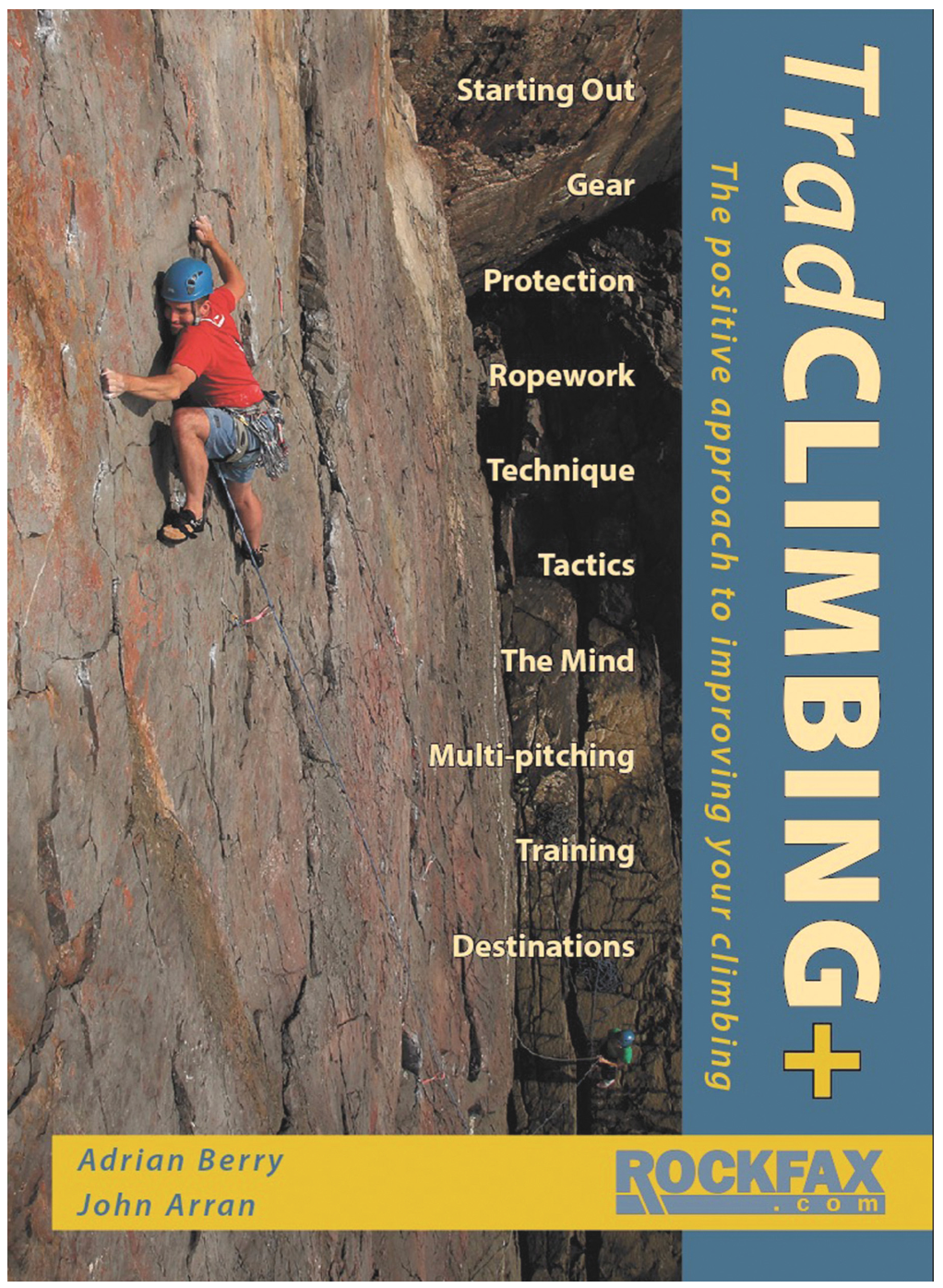
Rockfax Digital is a different proposition entirely — not crowdsourced, but professionally written by climbers who have spent years at specific crags. The topo quality is in a different league to any community app: clear line drawings, detailed hazard notes, accurate grades, descent routes. Buy PDFs per region (~£12–15 each), download once, and they work offline permanently. For serious climbing at established European destinations, Rockfax is the resource that makes 27Crags more reliable, not a replacement for it.
Camptocamp is the tool to add if your climbing takes you into alpine or mixed terrain — the Alps, Pyrenees, Dolomites. Free, professionally moderated, and significantly stronger than 27Crags in mountain terrain. The Vertical Life is worth knowing for specific European sport regions where it has digitised local guidebooks with high accuracy. Topo Guru uses photo-based AI topos and is useful for lesser-documented crags where 27Crags coverage is thin.
For weather, skip generic apps entirely. Windy gives you hyperlocal forecasts at your exact crag coordinates — wind, precipitation, and rock temperature — and is what most European climbers use for planning climbing days. Check it the night before; conditions at a crag at 9am are often completely different from the city forecast. Full reviews of every app, and the exact planning workflow we use on the road, are in our two dedicated guides.
Budget Breakdown: Sport Beginner Climbing Gear List
Here is what building your first complete sport climbing kit realistically costs in 2026, buying mid-range gear from reputable manufacturers. Prices shown in both £ and € reflect what you’ll find at the affiliate retailers linked throughout this guide.
| Item | Recommended Model | £ (UK) | € (EUR) |
|---|---|---|---|
| Harness | Black Diamond Solution / Petzl Corax / DMM Renegade | £55–£75 | €60–€85 |
| Climbing shoes | La Sportiva / Scarpa / Five Ten — fit-tested in person | £65–£90 | €70–€100 |
| Belay device | DMM Pivot + HMS locking crab | £28–£35 | €30–€40 |
| Helmet | Petzl Meteora / Black Diamond Half Dome | £40–£55 | €45–€62 |
| Chalk bag + chalk | Any branded bag + 100g loose chalk | £18–£25 | €20–€28 |
| Quickdraws (×10) | Petzl / Black Diamond / Wild Country / DMM — wire gate set | £55–£80 | €60–€90 |
| Slings (×2) | Petzl / Wild Country — one 60cm, one 120cm | £12–£20 | €14–€22 |
| Carabiners | DMM Phantom HMS / Petzl Attaché HMS | £20–£45 | €22–€50 |
| Rope (9.5mm dry) | Mammut 9.5 Crag Dry / Sterling Aero 9.2 XEROS | £95–£130 | €105–€150 |
| Backpack (18L) | Petzl Bug / The North Face Route Rocket | £70–£110 | €80–€125 |
| Sport climbing total | Mid-range builds | £426–£600 | €470–€680 |
Trad Additions Budget
| Item | Recommended | £ (UK) | € (EUR) |
|---|---|---|---|
| Nut set | Black Diamond Stopper Classic set / DMM Peenut | £45–£55 | €50–€62 |
| Nut set — specialist | DMM Wire Torque — for parallel-sided cracks | £20–£30 | €22–€34 |
| Cam starter set (×4–5) | Black Diamond C4 Set / DMM Dragon 2 Set | £200–£280 | €225–€315 |
| Slings (×2–3 to start) | Petzl / Wild Country assorted 60 + 120cm | £30–£45 | €34–€50 |
| Additional carabiners (×6) | DMM Oval / BD Oval for racking | £25–£40 | €28–€45 |
| Cordelette + prussik | 7m × 6mm nylon + 2m × 5mm prussik | £12–£18 | €14–€20 |
| Guidebook | Rockfax Trad — technique & route reference | £20–£25 | €22–€28 |
| Trad additions total | £352–£493 | €395–€564 |
Why the Course Always Comes First, before any climbing gear starter pack – Beginner Climbing Gear List
Let’s address this directly before we talk about a single piece of gear: climbing is a safety-critical activity. That is not a reason to avoid it — millions of people climb safely every year — but it is a reason to be honest about the fact that gear alone does not make you safe. Knowledge and technique do. Gear is what allows you to apply that knowledge effectively.
A harness is not useful if you don’t know how to check whether it’s correctly buckled. A belay device is dangerous if you don’t know how to operate it smoothly under load. Quickdraws can unclip if you clip them the wrong way. None of this is complicated — it is all learnable in a single good course — but it has to be learned from a person, in real conditions, with feedback, before you start spending money on equipment that you’ll then use in situations where getting it wrong has consequences.
The climbing course is literally the most valuable thing you can spend money on in climbing. A half-day (ideally 1/2 days) introductory lead course from a qualified instructor will teach you more practically useful information than six months of YouTube videos, and it will give you the context to understand everything in this gear guide rather than just buying things because a list told you to.
❓ Beginner Climbing Gear – Frequently Asked Questions
📌 Related Searches
🧗 Explore Our Climbing Guides
Detailed crag guides from our van life climbing adventures across Europe